

1. Keep Your Scalp Clean and Healthy
Your scalp is literally the foundation of every strand of hair. Neglect it, and your growth will stagnate. Think of your scalp as soil — if it’s dry, oily, or clogged, your hair won’t grow like it should.
A healthy scalp is essential for strong follicles, minimal breakage, and faster hair growth. Overwashing or harsh shampoos can dry it out, while under-washing allows oils and product buildup to smother your follicles. The goal is balance.
How to care for your scalp
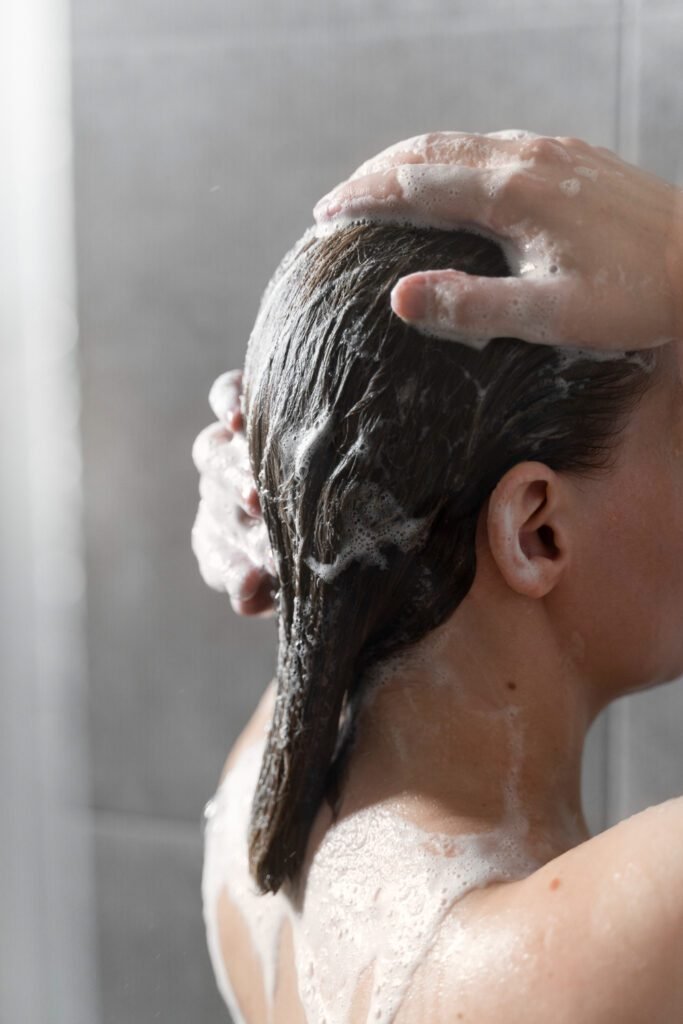
Wash 2–3 times per week using a gentle, sulfate-free shampoo
Use a clarifying shampoo or scrub once a week to remove buildup
Massage your scalp 3–5 minutes daily to boost blood flow
Avoid scratching with nails; use your fingertips or a soft silicone brush
Why it works
Massaging increases circulation, bringing nutrients to hair roots. Clean follicles are more receptive to growth, and less breakage occurs because your hair isn’t struggling through an unhealthy environment.
FYI: Your scalp health also affects hair shine and volume. Neglect it, and even long strands may look dull and lifeless. Treat it like your hair’s VIP lounge, and your strands will thank you with consistent growth.

2. Trim Your Ends Regularly
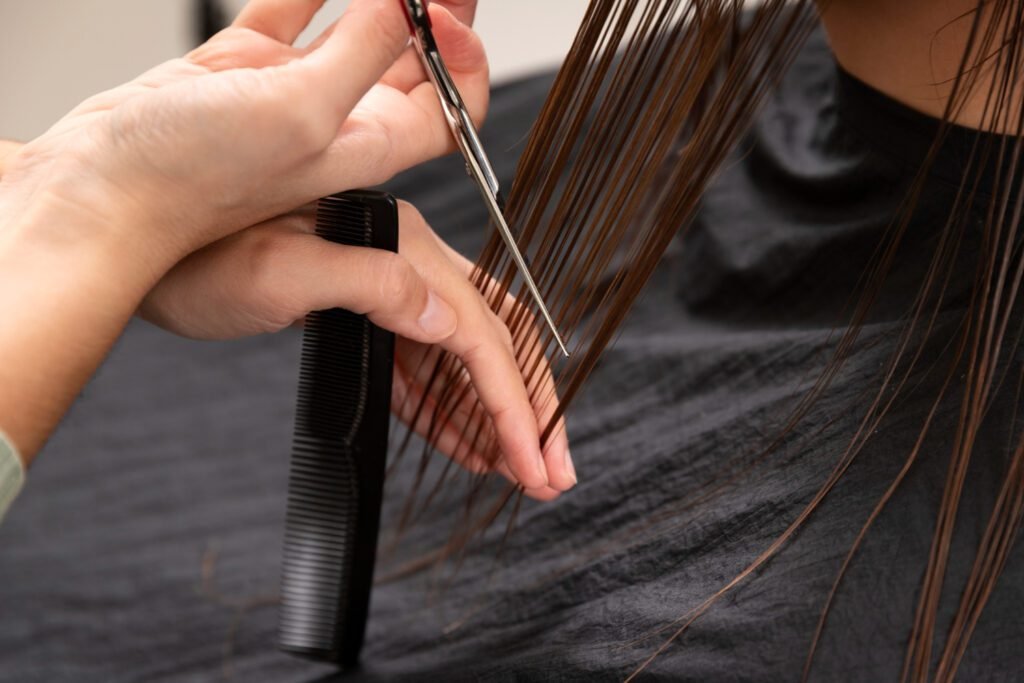
Yes, trimming may feel counterintuitive when you’re trying to grow your hair. But trust me: split ends destroy length faster than you can say “ponytail”.
Split ends travel up the hair shaft if left unchecked, causing breakage and frizz. That’s why even if your hair grows half an inch per month, it may look like nothing is happening. Trimming keeps your ends healthy, reducing breakage and making your hair appear fuller and longer.
How often to trim
Every 8–12 weeks
Only a small amount, ~¼ inch, unless damage is severe
Signs you need a trim
Frizzy, rough ends
Tangling that doesn’t stop
Thin or stringy-looking ends
Ends flipping in weird directions
Tip: You can trim at home with proper hair scissors, but a professional ensures the right amount is cut without sacrificing length. Trims are maintenance, not punishment.
3. Use a Microfiber Towel or T-Shirt
Your bath towel may be silently sabotaging your hair. Cotton towels create friction and tug at strands when wet, leading to breakage and frizz.
Solution: Switch to a microfiber towel or soft cotton t-shirt. These gently absorb water without roughing up the cuticle.
Why it matters
Less friction = less breakage
Preserves hair moisture
Reduces tangles
Hair dries faster and smoother
How to do it
Wrap hair gently after washing
Pat, don’t rub
Leave wrapped for 5–10 minutes to absorb excess water
You’ll notice softer, shinier hair almost immediately. It’s a small swap but a huge upgrade for long-term hair health.

4. Condition Every Time You Shampoo
Shampoo cleans; conditioner nourishes. Skipping conditioner is like washing your face and skipping moisturizer — your hair will feel dry, brittle, and prone to breakage.
Benefits
Restores moisture
Protects strands from heat and styling damage
Reduces tangles
Strengthens hair shaft
How to apply
Apply from mid-length to ends
Leave in for 2–3 minutes before rinsing
For extra hydration, use a leave-in conditioner
Pro tip: Don’t condition your scalp unless it’s extremely dry. Heavy conditioners at the roots can weigh hair down and cause buildup.
Regular conditioning ensures your strands stay smooth, flexible, and ready to grow without snapping.
5. Deep Condition Weekly
Think of deep conditioning as your hair’s weekly therapy session. Regular conditioners are great for daily maintenance, but a deep conditioning mask delivers concentrated hydration, nutrients, and protein to strands that need it most.
Why it works
Repairs damage from heat styling, chemical treatments, or sun exposure
Restores elasticity and reduces breakage
Adds shine and softness
Protects hair from environmental stressors
Hair isn’t just about appearance — it’s about health. A good mask strengthens the hair from within, so your strands can grow longer without snapping.
What to look for
Keratin or amino acids to strengthen
Argan, coconut, or jojoba oil for moisture
Shea butter or ceramides for smoothness and flexibility
How to apply
Wash hair with a gentle shampoo first
Apply mask generously from mid-length to ends
Wrap hair in a warm towel or shower cap for 10–30 minutes
Rinse thoroughly with cool water to seal the cuticle
Pro tip: Warm oil treatments (like coconut or castor oil) once a week can double as a deep conditioning step. Warm the oil slightly, massage into scalp and ends, leave for 30 minutes, then wash out. Your hair will feel luxuriously soft and hydrated.
Deep conditioning may feel indulgent, but it’s a critical step for long hair. Without it, strands become brittle and break easily — making growth feel painfully slow.
6. Reduce Heat Styling
Heat styling is like candy for your hair: fun in moderation, but excessive use causes major damage. Every straightener, curling iron, or blow dryer weakens the cuticle, leaving strands brittle and prone to breakage.
Why heat is harmful
Weakens hair shaft
Causes split ends
Dries out scalp and hair
Slows visible growth by breaking strands
Smart heat styling
Limit heat to 1–2 times per week
Keep tools below 350°F / 175°C
Always apply a heat protectant spray or serum
Avoid multiple heat sources on the same day
Alternatives
Air-dry whenever possible
Try heatless hairstyles like braids, buns, or twists
Use rollers or flexi-rods for curls without heat
Fun fact: Less heat = more consistent growth. Your hair can finally reach its potential without the breakage battle. Plus, the extra sleep from skipping early-morning blowouts is a bonus 😉

7. Sleep on Silk or Satin
Cotton pillowcases are basically friction machines. Tossing and turning at night rubs strands together, pulls moisture out, and causes breakage. Silk or satin pillowcases drastically reduce friction and protect your hair while you sleep.
Benefits
Less frizz
Fewer tangles
Retains natural oils and moisture
Reduces split ends
Extra protection
Wrap hair in a silk scarf if you move a lot in your sleep
Try a loose braid to prevent tangles
Combine with a satin or silk pillowcase for ultimate smoothness
Even small swaps like this make a noticeable difference over time. Hair wakes up smoother, shinier, and ready for the day — without the tug-of-war from cotton.

8. Eat for Hair Growth
Your hair is made of protein (keratin), so diet plays a huge role in growth. Poor nutrition can lead to thinning, slow growth, and weak strands. A balanced diet is basically a growth serum from the inside out.
Key nutrients
Protein: Eggs, chicken, tofu, beans
Iron: Spinach, lentils, red meat
Omega-3s: Salmon, chia seeds, walnuts
Biotin: Nuts, eggs, sweet potatoes
Zinc: Pumpkin seeds, oysters, quinoa
How diet affects hair
Protein strengthens strands
Iron supports healthy follicles
Omega-3s nourish scalp
Biotin promotes growth
Zinc prevents hair loss
Pro tip: Stay hydrated! Hair strands are 70% water — dehydration makes them dry, brittle, and slow-growing. Aim for at least 6–8 glasses a day.
Eating well is not optional if your goal is long, strong hair. Even the best haircare products can’t replace nutrients from a healthy diet.

9. Drink Plenty of Water
It sounds basic, but hydration is one of the most overlooked hair growth secrets. Your hair is about 70% water, so dehydration directly affects its strength, shine, and growth rate. Think of water as the fuel your follicles need to thrive.
Why it matters
Keeps follicles hydrated and healthy
Prevents dry, brittle strands
Supports scalp health
Improves hair elasticity, reducing breakage
How to stay hydrated
Drink 6–8 glasses of water daily (or more if active)
Include water-rich foods like cucumbers, watermelon, and oranges
Reduce excessive caffeine and alcohol — they dehydrate
Pro tip: If you struggle to drink water, carry a reusable bottle with a time-marked schedule. Watching it empty throughout the day is oddly motivating.
Staying hydrated may not give instant results, but over time, your hair becomes softer, shinier, and stronger — all critical for growing long strands.
10. Choose the Right Hairbrush
Your brush can either help your hair glide smoothly or rip it apart. Using the wrong tool, especially on wet hair, is a fast track to breakage.
Best options
Wide-tooth combs for detangling wet hair
Boar bristle brushes for distributing natural oils
Detangling brushes designed for sensitive strands
How to brush
Start at the ends and work your way up slowly
Hold sections near the scalp to reduce tension
Brush gently — no tugging or ripping
Fun fact: Brushing daily with a boar bristle brush helps spread your scalp’s natural oils, nourishing strands and supporting growth.
Avoid brushing wet hair with a regular plastic brush — it’s basically a snap, crackle, pop situation for your strands.

11. Avoid Tight Hairstyles
Yes, ponytails and buns are cute, but tight styles pull on hair follicles, causing breakage and thinning, especially around the hairline. Over time, this can slow growth and create bald patches.
Safer styling
Use loose ponytails or braids
Opt for scrunchies instead of elastic bands
Avoid daily tight buns or high ponytails
Even small adjustments make a big difference over months. Loose styles let your strands breathe and reduce stress on follicles, helping your hair grow longer without snapping.
Pro tip: Rotate your hairstyles. Different sections get rest, and tension is minimized.
12. Protect Hair From the Sun and Environment
UV rays, pollution, and harsh weather can weaken strands, fade color, and cause dryness. Treat your hair like skin — it needs protection too!
How to protect your hair
Wear hats or scarves outdoors
Use leave-in conditioners with SPF
Apply oils or serums to create a protective barrier
Why it works
Environmental damage can break down keratin, leaving hair brittle. Protecting it reduces breakage, retains moisture, and allows growth to continue uninterrupted.
Pro tip: Even on cloudy days, UV damage happens. A light leave-in with SPF is a simple, daily shield.

13. Protect Your Hair at Night
Your hair works hard during the day, so why let friction and tossing-and-turning undo all that effort at night? Sleeping on the wrong surface or leaving your hair loose can cause tangles, breakage, and frizz.
Nighttime hair care tips
Wrap hair in a silk or satin scarf to reduce friction
Sleep on a silk or satin pillowcase for maximum smoothness
Try a loose braid or bun to prevent tangles
Why it works
Silk and satin create less friction than cotton, so your hair retains moisture, stays smooth, and prevents split ends. Loose braids reduce tugging on the scalp, protecting follicles and edges.
Even just adopting one or two of these practices consistently can make your hair noticeably healthier over time. Think of it as overnight self-care for your strands.
14. Use Hair Growth Serums
Not all serums are gimmicks — the right one can boost growth, strengthen strands, and nourish your scalp. Look for products that have proven ingredients rather than just fragrance.
Ingredients to look for
Peptides to stimulate follicles
Caffeine or niacinamide for improved circulation
Amino acids for strengthening strands
Natural oils like rosemary or castor for moisture
How to use
Apply to the scalp, not just the ends
Massage gently for a few minutes to enhance absorption
Use consistently, typically daily or every other day
Pro tip: Hair growth takes patience — serums need 3–6 months to show results. But consistent use strengthens follicles, reduces shedding, and supports long-term growth.

15. Reduce Stress
Stress is one of the silent saboteurs of hair growth. High stress levels can trigger shedding, slow growth, and weaker strands. Think of stress as telling your hair: “Not today, buddy.”
Stress-reducing techniques
Meditation or deep breathing exercises
Regular exercise
Journaling or creative outlets
Scalp massages (bonus: relaxes both mind and hair)
Why it helps
Reduced stress improves blood flow and nutrient delivery to hair follicles. It also helps regulate hormones that impact growth. Healthy hair comes from a healthy mind.
Even small steps like a 10-minute meditation daily can support growth. Your hair literally feels your vibe.
16. Avoid Overwashing
Overwashing strips your hair of its natural oils, which are essential for moisture, shine, and follicle protection. Dry hair breaks more easily, slowing your visible growth.
Guidelines
Wash 2–3 times per week for most hair types
Use dry shampoo in between washes if needed
Focus shampoo on the scalp, conditioner on the mid-lengths and ends
Pro tip: Let your natural oils travel down the hair shaft — they act as a built-in conditioner and protect strands from breakage. Overwashing is one of the fastest ways to sabotage your growth journey.
17. Stay Patient and Consistent
Here’s the ultimate truth: hair grows slowly — roughly half an inch per month. No serum, mask, or hack will change biology overnight. Growth takes time, patience, and consistent care.
Consistency is key
Follow scalp and haircare routines daily
Protect ends and minimize damage
Eat well and hydrate
Limit heat and harsh chemicals
Why it matters
Even the best tips fail if you’re inconsistent. Hair growth is cumulative, meaning every small habit builds toward longer, healthier hair.
Pro tip: Celebrate small wins — notice the shine, strength, and softness even before length really shows. Your dream hair is coming; trust the process.
Conclusion
Growing long, healthy hair isn’t about magic potions or instant hacks. It’s about consistent care, smart habits, and patience.
Following these 17 tips gives your hair exactly what it needs: a healthy scalp, nourished strands, protection from damage, proper nutrition, and a little self-care. Stick with these habits, and your hair will reward you with length, strength, and shine over time.
Remember: hair growth is a journey — sometimes frustrating, sometimes miraculous — but worth every moment of care. Treat your strands right, and they’ll grow into the long, luscious hair you’ve been dreaming of.