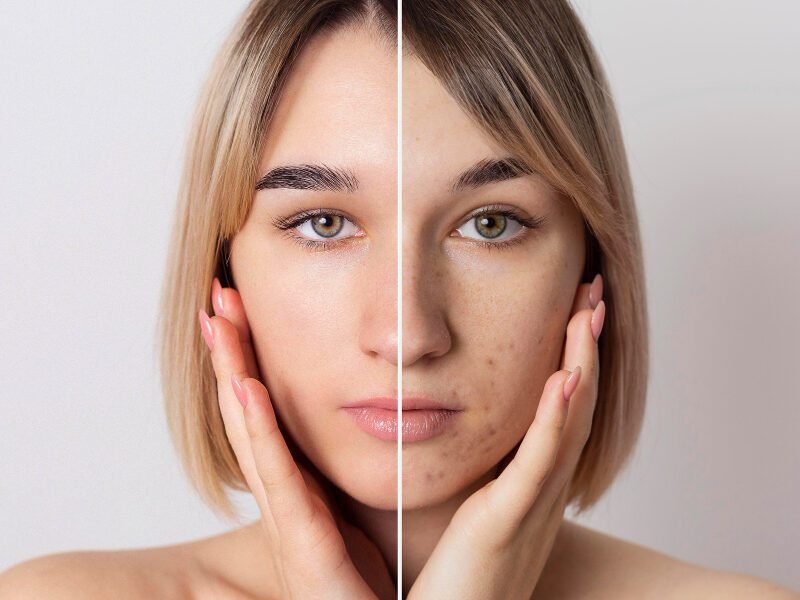
Hey there, skincare enthusiast! Ever stared at your reflection, squinting at your cheeks and forehead, wondering if your skin is secretly plotting against you? Yeah, I’ve been there too. Knowing your skin type is like unlocking a cheat code for your skincare routine. Once you get it right, products actually work, breakouts don’t rule your life, and your face might just start thanking you (well, metaphorically).
In this friendly guide, I’m gonna walk you through how to find out your skin type, share some personal anecdotes, sprinkle in a bit of humor, and make sure you leave here feeling like a skincare pro. Let’s get into it.
1. Why Knowing Your Skin Type Matters
Before we do anything, let’s clear this up: not all skin is created equal. Treating dry skin like it’s oily will just make things worse, and slathering moisturizer on oily skin? Yeah, your pores aren’t gonna be happy. Knowing your skin type helps you:
Choose the right products without wasting money.
Prevent breakouts by avoiding unnecessary ingredients.
Enhance product effectiveness because you’re actually using what your skin needs.
Understand changes over time. Skin isn’t static, FYI.
Think of it as dating. You gotta know what you like before committing, right? Your skin deserves the same attention.
2. The Classic Skin Types
Let’s start with the basics. There are five main skin types, and each has its quirks.
Normal Skin
This is the unicorn of skin types. You know the type: balanced, clear, and not too sensitive. I didn’t believe it existed either until I met a friend whose skin literally glows effortlessly. Lucky them.
Pros: Rare breakouts, smooth texture, even tone.
Cons: Might get slightly oily in summer or dry in winter.
Tip: Keep the routine simple—gentle cleanser, light moisturizer, sunscreen.

Dry Skin
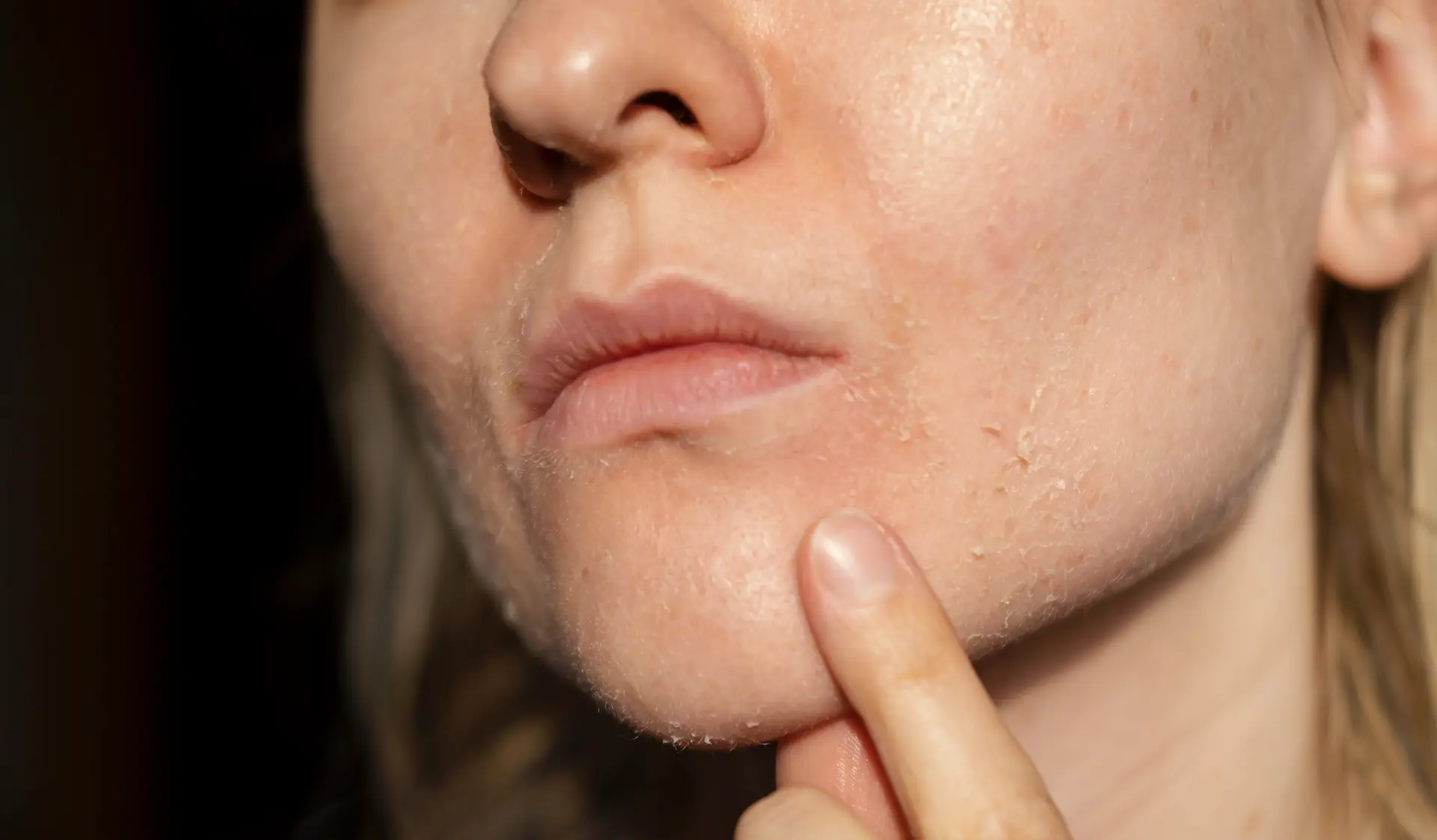
Dry skin feels tight and can look flaky or dull. I remember trying a super foaming cleanser once—big mistake. My face looked like a desert in 5 minutes.
Pros: Less prone to acne.
Cons: Fine lines, irritation, redness.
Tip: Heavy creams, hydrating serums, and skip anything overly harsh.
Oily Skin
Oily skin can be a double-edged sword. Sure, you might have a natural glow, but that shine on your T-zone? Not always cute.
Pros: Less wrinkles early in life, natural glow.
Cons: Clogged pores, frequent breakouts.
Tip: Gel cleansers, light moisturizers, and blotting papers are your friends.
:max_bytes(150000):strip_icc()/Health-GettyImages-OilySkin-2b2dc80d7c8c442286cacef949f2f98f.jpg)
Combination Skin
Ah, the most common—and confusing—skin type. Some areas are oily (usually the T-zone), while others are dry or normal.
Pros: You can experiment with a variety of products.
Cons: Needs a multi-step routine, can be unpredictable.
Tip: Treat different areas differently. Yes, seriously.

Sensitive Skin
Sensitive skin is easily irritated, reacts to new products, weather, or even stress. I’ve got a cousin with this skin type; she can’t even smell a lotion without breaking out.
Pros: Rarely oily.
Cons: Redness, itching, burning, reactions to products.
Tip: Stick to fragrance-free, gentle products. Patch test anything new.

3. How to Easy Determine Your Skin Type
Okay, enough theory. Let’s get practical. Here’s how to figure out what you’re working with.
1. The Bare-Faced Test
Step 1: Wash your face with a gentle cleanser.
Step 2: Pat dry and wait for an hour (resist the urge to touch your face).
Step 3: Observe your skin. Is it shiny, tight, flaky, or just right?
What to look for:
Tight/dry = Dry skin.
Shiny = Oily skin.
Dry cheeks + shiny T-zone = Combination skin.
Comfortable, balanced = Normal skin.
Red/irritated = Sensitive skin.
2. The Blotting Sheet Method
Step 1: Take a clean blotting sheet and gently press it on different areas of your face.
Step 2: Hold it up to the light to see how much oil is visible.
Interpretation:
Little to no oil = Dry skin.
Oil from forehead/nose/chin = Combination skin.
Oil from all areas = Oily skin.
3. Pay Attention to Reactions
Sometimes, the best way to understand your skin is by listening to it. Does it get red with new products? Does it peel in winter? That tells you a lot. FYI, this is where sensitive skin shows itself.
4. Seasonal and Lifestyle Factors That Affect Skin
Your skin isn’t a static little creature—it changes with the seasons, hormones, stress, and diet. Don’t be surprised if your skin acts completely different in summer versus winter.
Factors to Watch:
Weather: Cold air = dry skin; hot/humid = oily skin.
Diet: Sugary or greasy foods can exacerbate oiliness or breakouts.
Hormones: Periods, pregnancy, or stress can throw your skin into chaos.
Lifestyle: Sleep deprivation and dehydration? Instant skin drama.
Understanding this helps you tweak your routine instead of blaming products for everything.
5. Products That Actually Match Your Skin Type
Now comes the fun part—shopping wisely. Here’s a quick guide:
Dry Skin
Hydrating cleansers
Creamy moisturizers
Hyaluronic acid serums
Avoid foaming cleansers or alcohol-heavy toners
Oily Skin
Gel-based cleansers
Lightweight moisturizers
Salicylic acid for occasional breakouts
Blotting papers for mid-day shine
Combination Skin
Gentle foaming cleanser
Light moisturizer on T-zone
Hydrating cream on cheeks
Multi-masking can be a lifesaver
Sensitive Skin
Fragrance-free cleansers
Minimalist moisturizer
Patch-test new products
Avoid harsh exfoliants
6. Common Myths About Skin Types
Let’s bust some myths real quick:
Myth 1: Oily skin doesn’t need moisturizer. Nope. Oily skin still needs hydration. Lightweight, non-comedogenic moisturizers FTW.
Myth 2: You can permanently change your skin type. Sorry, no magic potions here. You can manage it, not morph it.
Myth 3: Tanning fixes oily or dry skin. False. Tanning might give a temporary glow, but it doesn’t fix anything and damages your skin long-term.
7. When to See a Dermatologist
Sometimes, figuring out your skin type isn’t enough. If you notice persistent irritation, severe acne, or unexplained rashes, a dermatologist is your best bet. It’s not overreacting; it’s self-care.
8. My Personal Take on Skin Types
Honestly, I’ve been a combination skin girl forever. Some days, my T-zone acts like a grease factory, and other days, my cheeks are desert-level dry. It taught me patience and the beauty of multi-step routines. Also, experimenting with products has been half the fun (and half the tears). The key is: listen to your skin, not the hype.
Final Thoughts
Figuring out your skin type might feel like a science experiment at first, but it’s honestly rewarding. Once you get it right, every product you use will feel like it’s speaking your skin’s language. Plus, the confidence boost? Totally worth it.
So, take a few minutes, do the tests, observe your reactions, and maybe even laugh at the quirks of your skin. After all, it’s your face—treat it like the VIP it is.
And remember, whether your skin is a radiant unicorn or a dramatic combination diva, there’s a routine out there that can make you love the skin you’re in.