
So, you’re thinking about trying Fulani braids, huh? I see you—those sleek, stylish, and totally Instagram-worthy braids have been catching everyone’s eye lately. But before you jump headfirst into this iconic look, let’s have a real talk about what they are, how to get them right, and, most importantly, what to expect. Trust me, knowing the right stuff upfront saves a ton of stress later.
I’ve had my fair share of braided adventures, some hits, some questionable decisions (like that one time I thought I could braid my own hair… never again ). So consider this your friendly guide with tips, truths, and a few laughs sprinkled in.
Curtain Bangs Didn’t Just Survive—They Evolved
Curtain bangs didn’t cling to relevance by accident. They adapted, leveled up, and learned new tricks.
They Shape-Shift With Every Hair Trend
Curtain bangs play nice with almost every haircut, and that flexibility keeps them relevant. Shags, butterfly cuts, bixies, long layers—you name it, curtain bangs flirt with it successfully. You can style them sleek one day and messy the next without fighting your mirror for dominance.
Stylists constantly tweak their length, thickness, and angle. These small changes keep the look fresh without reinventing the wheel. Why abandon something that keeps improving?
They Age Like Good Denim
Some hairstyles scream a specific era. Curtain bangs quietly exist outside time. You spot them in ‘70s icons, ‘90s supermodels, and now every second influencer with a ring light.
They don’t freeze you in one decade. They slide effortlessly between nostalgia and now, which explains their staying power.
What Exactly Are Fulani Braids?
First things first—what the heck are Fulani braids anyway?
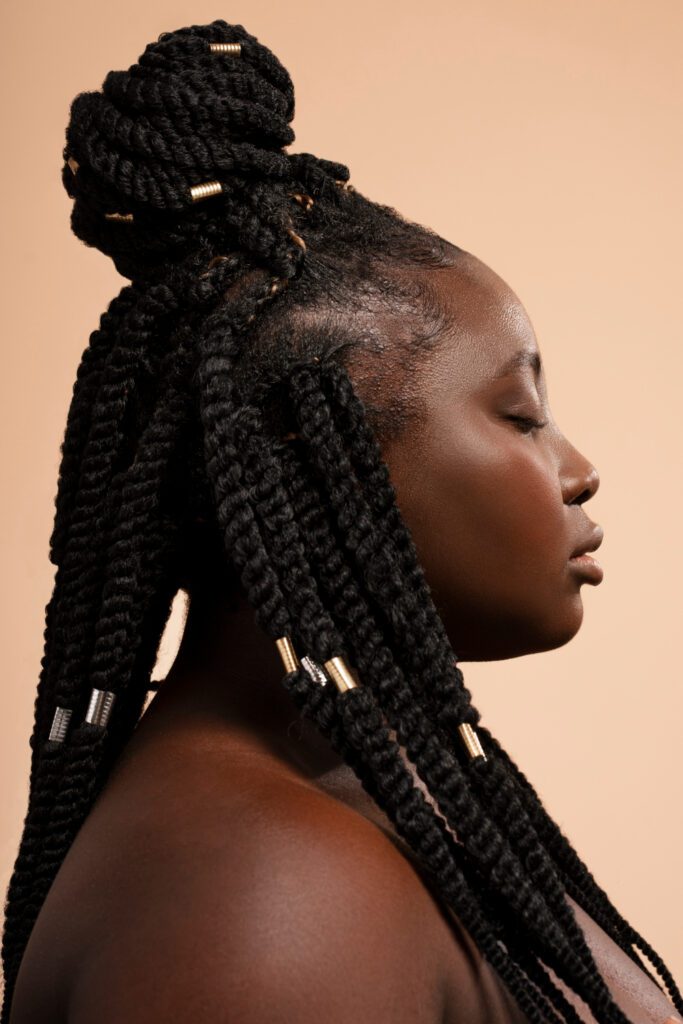
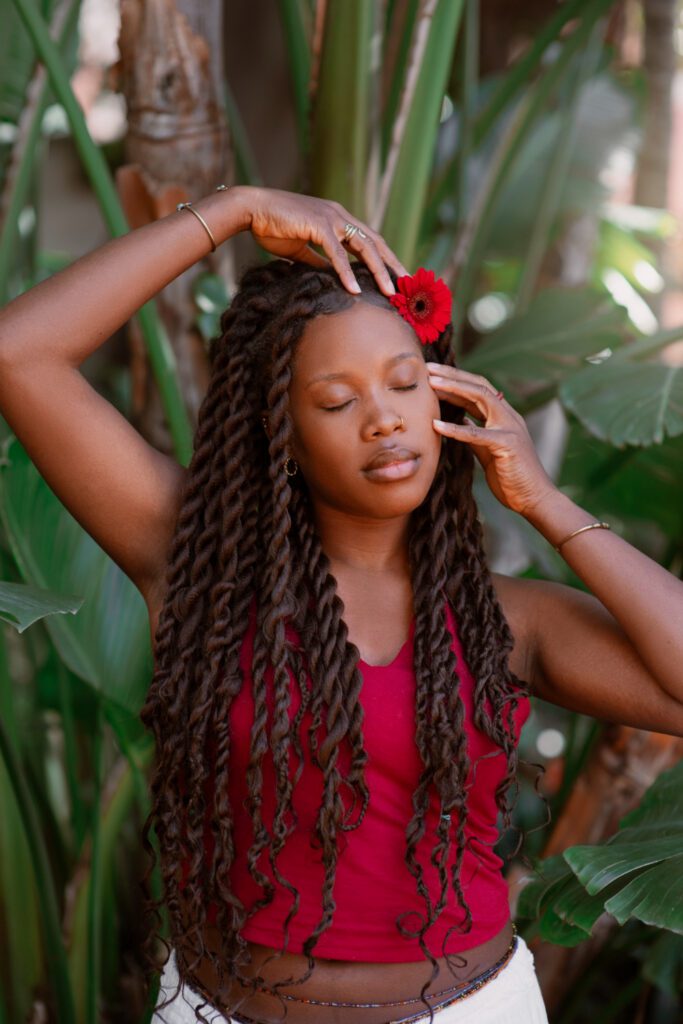
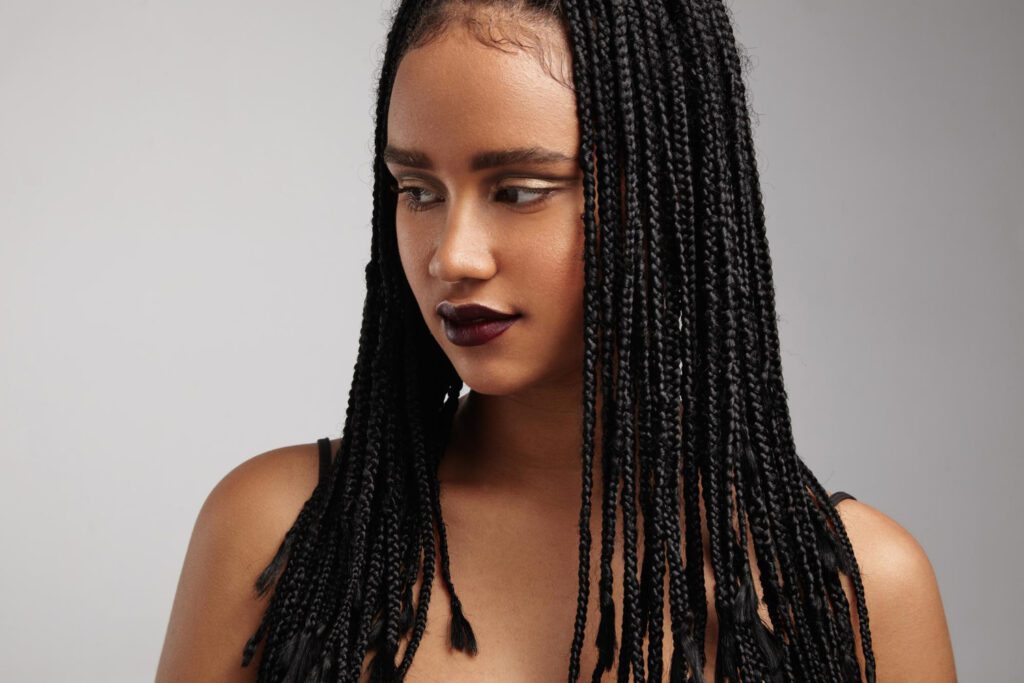
Fulani braids are a traditional hairstyle that originates from the Fulani people of West Africa. These braids are not just about looking cute—they carry culture, history, and a certain je ne sais quoi that makes them stand out.
Here’s the signature look:
Thin, neat cornrows that run along the scalp.
A central braid or parting that often goes down the middle.
Decorative beads, cowries, or rings at the ends of braids.
Side braids that frame the face, giving it that instantly chic vibe.
Ever noticed how celebrities like Lupita Nyong’o or Kerry Washington rock them? Yeah, it’s not just trendy—it’s iconic.
Why You Might Want to Try Them
Let’s be honest—sometimes we want a hairstyle that makes a statement without saying a word, right? Fulani braids do just that. But why do people love them so much?
Here’s the deal:
Low-maintenance (ish) – Once done, you can skip daily styling for a while. FYI, “a while” is usually a few weeks if you take care of your scalp.
Protective styling – These braids protect your natural hair from breakage and harsh environmental factors. If your hair has been through some trauma (heat damage, split ends, etc.), this is a lifesaver.
Versatile look – You can keep them simple or go full glam with beads and accessories. Even if you’re like me and not much of a “hair jewelry person,” they still look fab.
Cultural appreciation – Wearing Fulani braids with respect honors a rich cultural tradition. Just make sure you’re supporting stylists who know the style authentically.
Honestly, it’s like getting a hairstyle that’s fashion-forward, practical, and historically cool—all in one.
How to Decide If Fulani Braids Are Right for You
Not every hairstyle is a perfect fit, and that’s okay. Before booking your appointment, ask yourself these questions:
Is my hair long enough? Fulani braids generally require medium to long hair for that dramatic effect.
Am I ready for maintenance? You won’t need daily styling, but your scalp does need some love.
Do I want accessories? Beads, cowries, and rings can elevate the style—but they also add time and cost.
Do I respect the culture? Always remember the roots of Fulani braids and wear them with intention.
If you answered yes (or at least mostly yes) to these, you’re probably ready. If not… maybe stick to braiding videos on TikTok for a bit.
Step-By-Step: What to Expect During the Braiding Process
Okay, this part is crucial. You don’t want to walk in thinking it’s a 30-minute thing and walk out hours later questioning your life choices.
Step 1: Prep Your Hair
Wash and condition thoroughly. Clean hair = happy braids.
Detangle carefully. Seriously, no one likes getting their scalp yanked painfully.
Moisturize lightly. Your hair needs some slip to make braiding smoother.
Step 2: Sectioning
A stylist will part your hair into neat sections. This is where the magic starts. Proper sectioning ensures the braids are uniform and that your scalp doesn’t feel like it’s being attacked.
Step 3: Braiding
Cornrows along the scalp – thin, tight, and precise.
Face-framing braids – these make the style instantly recognizable.
Central braid or design – sometimes with a zigzag or straight pattern.
Step 4: Accessories (Optional but Fun)
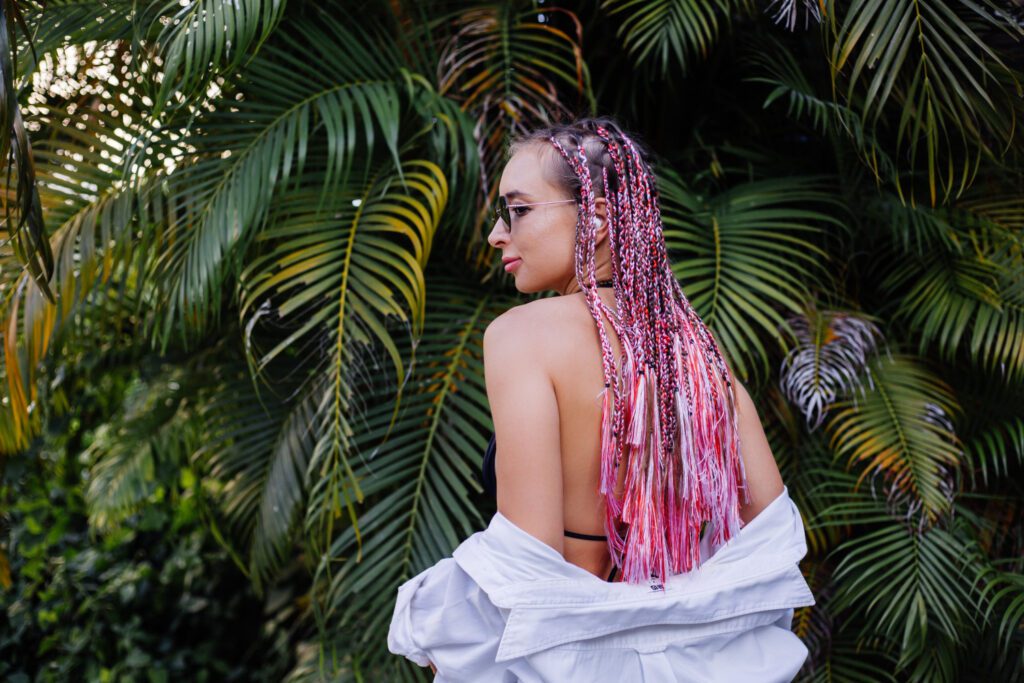
Beads, rings, and cowries can go on individual braids or ends, depending on your preference. Personally, I like a subtle touch—too much, and it gets a little heavy on the head.
Step 5: Aftercare Tips
Keep your scalp moisturized with light oils (argan, jojoba, or coconut work well).
Wrap your hair at night in a silk or satin scarf to reduce frizz.
Avoid heavy manipulation for at least a week to let your scalp adjust.
Common Mistakes People Make with Fulani Braids
Here’s where I get a little sarcastic because, honestly, some mistakes are avoidable if you just pay attention.
Skipping hair prep – Yes, your stylist can braid over dirt, but why? Your scalp will hate you.
Tight braids = ouch! – Tightness might look neat, but it can cause headaches and even hair loss if overdone.
Ignoring aftercare – Braids aren’t magic; they still need TLC.
Over-accessorizing – FYI, you don’t have to blind people with beads to look cute. Less can be more.
Ever seen someone with braids so tight their scalp is screaming? Yeah… don’t be that person.
Fulani Braids for Different Hair Types
Not all hair is created equal, so let’s break it down.
Curly/Kinky Hair: Works beautifully—braids hold well, and the protective aspect is huge.
Wavy Hair: Can achieve the look but may need more prep for neatness.
Straight Hair: Possible, but may require extensions or extra grip products.
The key takeaway? Fulani braids are adaptable, but your stylist might need to tweak the method for your hair type.
DIY vs. Professional Styling
Here’s a debate that sparks more arguments than pineapple on pizza: should you do it yourself or go pro?
DIY Pros:
Cost-effective – You save money if you already know your braiding skills.
Convenience – Do it at home anytime, no appointment needed.
DIY Cons:
Time-consuming – A full head can take hours.
Risky if inexperienced – Uneven braids or scalp damage are common.
Professional Pros:
Neat, lasting results – Stylists know what they’re doing.
Creative designs – They can add that extra “wow” factor with patterns and accessories.
Professional Cons:
Cost – Expect to pay more, but IMO, it’s worth it.
Time – Some appointments can last 4–6 hours, so bring snacks.
My personal take? For your first time, go pro. It’s like learning to ride a bike—you can’t just start on a downhill race track.
Styling and Accessorizing Tips
Once your Fulani braids are in, the fun doesn’t stop! You can:
Add beads or shells – Small touches can completely elevate your look.
Experiment with updos – Braids are versatile; try buns, ponytails, or half-up styles.
Use hair cuffs – Tiny metal rings can add some bling without feeling heavy.
Quick tip: Don’t overdo products. Too much gel or oil can weigh down your braids and make them look greasy instead of chic.
How Long Do Fulani Braids Last?
The longevity depends on your hair type, care, and lifestyle.
Average wear time: 4–8 weeks
Maintenance: Moisturize scalp 2–3 times a week, wrap hair at night
Signs it’s time for a redo: Excessive frizz, scalp irritation, or hair growth messing with the braid pattern
FYI, leaving them too long can make removal painful and may even damage your hair. So listen to your scalp—it talks more than you think.
Pros and Cons Recap
Let’s sum it up real quick:
Pros:
Protective styling
Low daily maintenance
Versatile and stylish
Cultural appreciation (done respectfully)
Cons:
Time-intensive to install
Requires proper aftercare
Can be pricey if professional
Not ideal for very short hair
Final Thoughts
Fulani braids are more than just a hairstyle—they’re a statement. They blend beauty, culture, and practicality into one stunning look. But, like any style, they come with responsibilities: care, respect, and patience.
If you’re ready to commit, embrace the journey, and maybe rock a few accessories along the way, you’ll love the results. Just remember—start slow, respect the roots, and enjoy the process.
Personally? Every time I look at my Fulani braids in the mirror, I feel like I just leveled up in life. And isn’t that the point of a great hairstyle anyway?
So go ahead—try them, flaunt them, and don’t forget to give your stylist a huge thank you. Your hair, your crown, your rules.