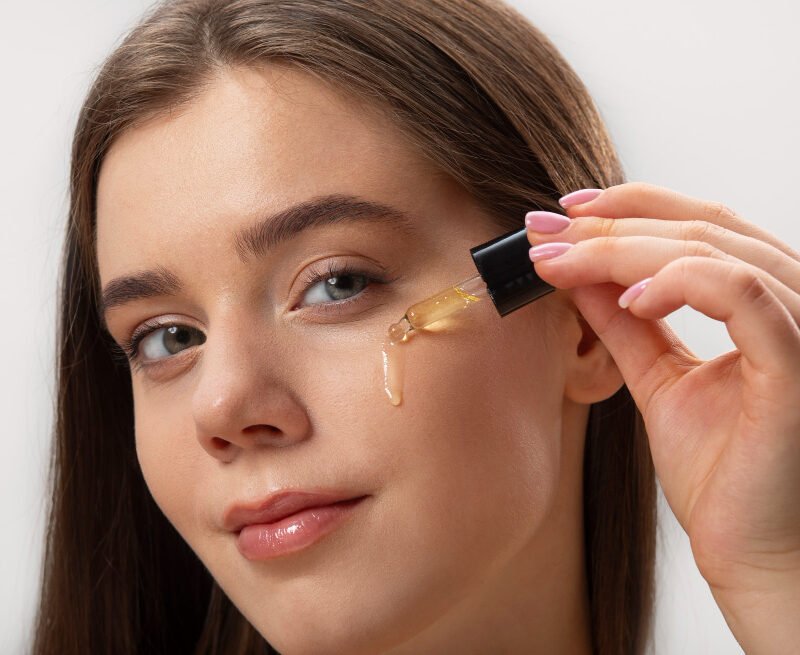
Okay, let’s talk retinol. If you’ve ever wandered down the skincare aisle and felt like you needed a degree in chemistry just to understand the labels, you’re not alone. Retinol gets hyped like it’s the holy grail of skincare, and honestly? It kind of is. But, before you dive in headfirst, it’s good to know what it does, how to use it, and how to survive the “retinol purge” without looking like a flaky zombie. Lucky for you, I’ve been there—and I’m here to spill everything, with zero judgment and maybe a little sass.
What Is Retinol, Really?
So, first things first—retinol isn’t some magic fairy dust, even though it sometimes feels like it. Retinol is a type of vitamin A derivative that helps your skin renew itself faster. Basically, it tells your skin cells, “Hey, move it along, we’ve got work to do!”
You might see other names floating around too:
Retinoids – The broader family that includes retinol and prescription-strength versions.
Retinyl Palmitate – A super gentle, mild relative of retinol. Good for beginners.
Tretinoin – The heavyweight champion. Prescription-only, but extremely effective.
Think of it like this: retinol is the friendly gym trainer for your skin, gently nudging things into shape, while tretinoin is the drill sergeant—super effective, but not for the faint-hearted.
Ever wondered why it’s so famous? Well, it’s because retinol doesn’t just tackle wrinkles. It works on acne, uneven skin tone, texture issues, and even hyperpigmentation. Yep, one little molecule doing a lot of heavy lifting.
Benefits of Retinol
Alright, let’s get to the juicy part. Why should you even care about retinol? Here’s the lowdown:
1. Reduces Fine Lines and Wrinkles
Retinol boosts collagen production, which is fancy-talk for “makes your skin plump and springy.” Over time, it smooths fine lines and reduces that “ugh, where did these wrinkles come from?” feeling we all get when looking in the mirror at 30+.
2. Fights Acne
If you struggle with acne that just won’t quit, retinol can help. It unclogs pores, prevents breakouts, and even calms inflammation. IMO, it’s like a multitasking Swiss Army knife for your face.
3. Evens Out Skin Tone
Dark spots? Sun damage? Retinol speeds up cell turnover, helping to fade pigmentation and give your skin a more even glow. Yes, that Instagram-ready complexion might actually be achievable without a filter.
4. Improves Skin Texture
Rough, bumpy skin? Retinol smooths it out by encouraging the shedding of old skin cells and replacing them with fresh ones. Your face will feel soft and supple—basically, kiss that sandpaper skin goodbye.
5. Prevents Future Damage
Using retinol isn’t just about fixing existing issues. It’s preventative, helping your skin stay youthful and resilient. Think of it as sunscreen’s more proactive cousin—but don’t ditch your SPF yet, FYI.
Retinol Myths You Need to Ignore
Before you rush to add retinol to your cart, let’s clear up a few common myths.
“Retinol will make your skin peel off!”
Not necessarily. Yes, some flaking can happen, but that’s usually temporary. Start slow, and your skin adapts.“It works overnight.”
Haha, no. If anyone tells you retinol gives instant results, they are lying. Expect visible improvements in 4–12 weeks, depending on your skin.“You can use it anytime.”
Retinol hates sunlight. Using it in the morning without sunscreen is basically inviting irritation. Nighttime use is the gold standard.“Stronger = better.”
Nope. Retinol strength doesn’t equal instant perfection. Too strong too fast = redness, irritation, regret. Start small and build up.
Tips for Using Retinol (Without Losing Your Mind)
If you’ve never used retinol before, it’s easy to get intimidated by all the warnings. Don’t worry—I got you.
1. Start Slow
Begin with 1–2 nights a week and gradually increase. Your skin needs time to adjust. Trust me, jumping in like a superhero will just make your face cranky.
2. Use a Pea-Sized Amount
More is not better. A pea-sized amount covers your entire face. Overdoing it can cause irritation, dryness, and flaking.
3. Pair With a Moisturizer
Retinol can be drying, so moisturize afterward. Some people even mix it with their moisturizer to make it gentler. Pro tip: I personally love layering my moisturizer on top—it feels like a cozy blanket for my skin.
4. Nighttime Only
As mentioned, sunlight breaks down retinol, making it less effective and irritating. Apply at night and wake up looking like a glow-up pro.
5. Always Wear Sunscreen
Retinol makes your skin more sensitive to UV rays. Slap on SPF every morning—even if it’s cloudy. Yes, even if you stay inside.
6. Be Patient
Results take time. Stick with it, and you’ll see smoother, brighter, and more youthful skin over weeks. No shortcuts here.
Retinol Routine for Beginners
If you’re like me, having a step-by-step routine makes life easier. Here’s a simple guide:
Step 1: Cleanse
Start with a gentle cleanser to remove dirt and makeup. Retinol loves a clean canvas.
Step 2: Apply Retinol
Use a pea-sized amount.
Apply evenly, avoiding the eyes and corners of the mouth.
Start with 1–2 nights a week.
Step 3: Moisturize
Lock in hydration to prevent irritation.
Some people like the “sandwich method”: moisturizer → retinol → moisturizer. Works wonders if your skin is sensitive.
Step 4: Eye Cream (Optional)
If your eyes are delicate, skip applying retinol directly there.
A gentle eye cream can help maintain hydration.
Step 5: Sunscreen in the Morning
Non-negotiable. SPF 30+ is ideal.
Think of it as retinol’s best friend.
Choosing the Right Retinol Product
Okay, not all retinols are created equal. Picking the right one can be confusing. Here’s a quick guide:
Beginner: Look for 0.1–0.3% retinol or products labeled “gentle” or “starter.”
Intermediate: 0.3–0.5% retinol or retinol blends. Skin has adjusted, results speed up.
Advanced: 1%+ or prescription tretinoin. Only if your skin tolerates lower strengths without irritation.
Form Matters
Serums: Concentrated, lightweight, great for layering.
Creams: More hydrating, ideal for dry or sensitive skin.
Lotions: Lighter than creams, but more moisturizing than serums.
Pro tip: Don’t obsess over the exact percentage. A lower concentration used consistently beats a higher strength you can’t tolerate.
Common Retinol Side Effects (and How to Handle Them)
Yes, retinol can be a little dramatic at first. Expect some temporary side effects, but nothing permanent if you’re careful.
Dryness: Moisturize like it’s your full-time job.
Redness: Ease in slowly. Skip a night or two if needed.
Peeling/Flaking: Normal during the first few weeks. Your skin is renewing itself!
Breakouts: Sometimes you’ll purge first. Don’t panic; it usually settles down.
If irritation persists for more than a month, re-evaluate your frequency or product strength. No need to martyr your face.
Pro Tips From My Personal Experience
I’ve been using retinol for a few years, and here are some lessons I learned the hard way:
Don’t skip moisturizer: Your skin will revolt.
Consistency is key: Missing a week here and there won’t kill you, but results won’t come fast either.
Patch test: Seriously, do this. Avoid a full-face surprise.
Combine wisely: Vitamin C in the morning + retinol at night = dream team.
Also, I’ve learned that patience pays off. After about 2 months, my skin felt smoother, breakouts decreased, and those little laugh lines around my eyes softened. Worth every cautious pea-sized dab.
Retinol FAQs
Can I use retinol with other active ingredients?
Yes, but carefully. Avoid mixing retinol with acids (like glycolic or salicylic) at the same time—too harsh. Layering niacinamide or hyaluronic acid is usually safe.
How long before I see results?
Typically 4–12 weeks for visible changes. Fine lines may take longer. Patience is your friend.
Can I use retinol while pregnant?
Nope. Retinol is not recommended during pregnancy. Stick to safer alternatives like bakuchiol.
Can I use it on sensitive skin?
Yes, but start with low strength and gradual introduction. Some people need a slower ramp-up to avoid irritation.
Bottom Line: Is Retinol Worth It?
Absolutely. Retinol is like that friend who pushes you to be your best—sometimes a little annoying at first, but ultimately transformational. It fights wrinkles, acne, uneven skin tone, and rough texture, all while helping prevent future damage.
Start slow, pair with moisturizer and SPF, and be patient. In a few weeks, you’ll probably find yourself looking in the mirror thinking, “Hmm… my skin actually looks amazing today.”
And if anyone ever tells you retinol is scary, just smile knowingly. You’re in the club now, armed with science, patience, and a tiny pea-sized dab of magic.