
What Are Closed Comedones & How to Treat Them (The Complete Guide)
If you’ve ever dealt with tiny, skin-colored bumps under the skin that won’t pop, won’t go away, and seem to cluster on the forehead, chin, or cheeks — you’ve met closed comedones. These stubborn bumps are one of the most common forms of acne, yet they are also one of the most misunderstood. Many people mistake them for texture issues, fungal acne, or allergic reactions, when in reality, closed comedones develop when pores get clogged and trapped under the skin’s surface.
The good news? Closed comedones can be treated — and once you understand what causes them, you can prevent them from coming back altogether.
This guide breaks down everything you need to know, plus how to use Anua Heartleaf Pore Control Cleansing Oil and ANUA Heartleaf Quercetinol Pore Deep Cleansing Foam to help clear them.

What Are Closed Comedones?
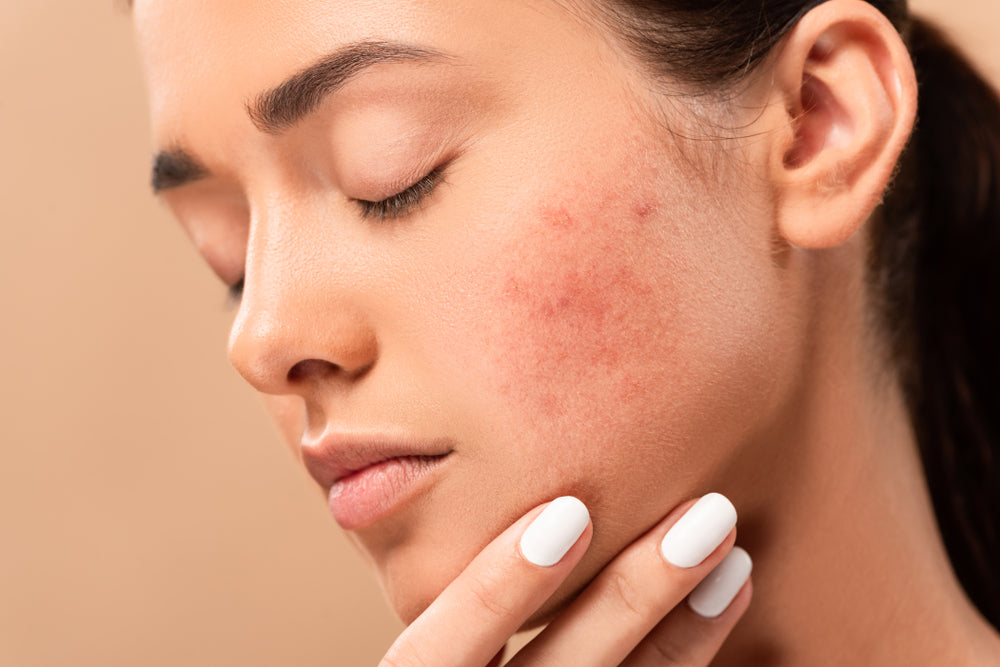
Closed comedones are clogged pores sealed by a thin layer of skin. They look like tiny bumps (usually white or skin-toned) and often feel rough or bumpy when you run your fingers over the skin.
They do not have inflammation like pimples or cystic acne, which is why they don’t appear red or painful. However, they can turn into inflammatory acne if bacteria gets trapped inside.
What Closed Comedones Look Like:
Small, flesh-colored bumps
Clustered patches on forehead, chin, or cheeks
Texture that looks like “tiny rough bumps”
Not squeezable or “poppable”
Often worse in humid climates or after using heavy skincare
Many people call them:
“Under-the-skin bumps”
“Texture bumps”
“Mini whiteheads that never come out”
But officially? They’re non-inflammatory acne caused by clogged pores.

What Causes Closed Comedones?
Closed comedones usually form when:
Dead skin cells don’t shed properly
Sebum (oil) gets trapped underneath
Skincare products block the pores
Hormones increase oil production
Over-cleansing strips the skin, causing rebound oil
Sweat + friction from hats, headbands, scarves, or helmets
Certain habits also make them worse:
1. Using pore-clogging products
Thick moisturizers, heavy sunscreens, coconut oil, and makeup can form an occlusive layer that traps dead skin and oil beneath the skin.
2. Not cleansing properly
If you’re removing sunscreen or makeup with only water or a single cleanser, product residue stays inside pores and forms comedones.
3. Over-exfoliating
Too many acids or scrubs can irritate the skin barrier, causing more clogged pores.
4. Genetics
Some people naturally produce thicker sebum or have slower cell turnover.

How to Treat Closed Comedones
Treating closed comedones requires three pillars:
1. Proper Cleansing
2. Exfoliation
3. Supporting the skin barrier
Let’s break down the entire routine.
Step 1: Remove Buildup With a Gentle Oil Cleanser
The first step in preventing and clearing comedones is proper cleansing — but without stripping the skin. A double cleanse is ideal for removing sunscreen, makeup, sweat, and oil-based impurities.
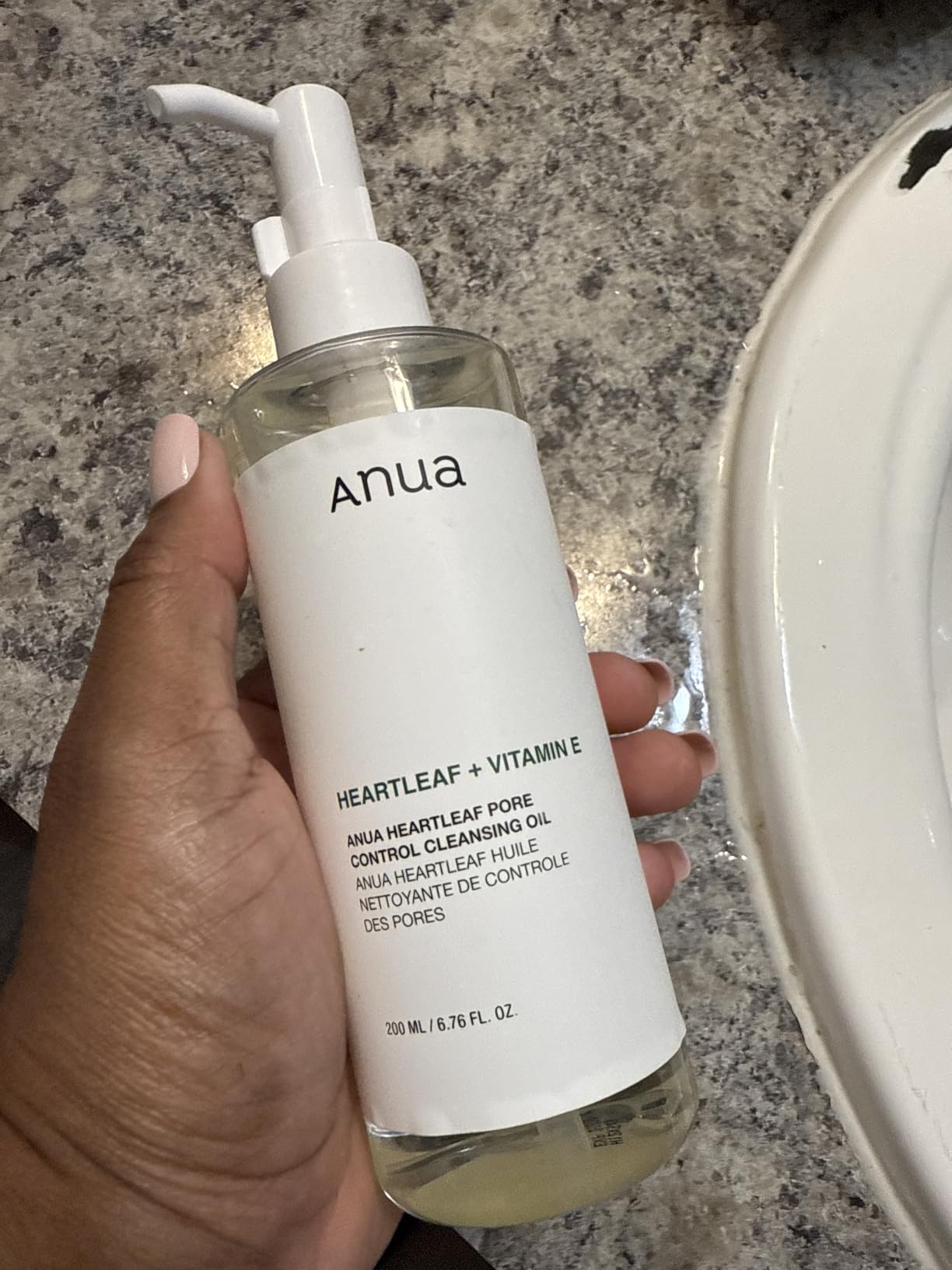
Anua Heartleaf Pore Control Cleansing Oil
This product is perfect for closed comedones because it:
Dissolves excess sebum
Removes sunscreen thoroughly
Cleans out pore congestion
Doesn’t clog pores
Doesn’t leave a heavy residue
Why it works:
Closed comedones often form because impurities sit inside the pores. Oil cleansers bind to oil-based debris and melt it away gently — without over-drying the skin.
How to use:
Apply 1–2 pumps to dry skin.
Massage for 1 minute, especially on clogged areas.
Add water to emulsify (turns milky).
Rinse thoroughly.
Use every evening.
Step 2: Follow With a Deep Foam Cleanser
After an oil cleanse, a gentle water-based cleanser removes leftover residue and deeply purifies the pores.
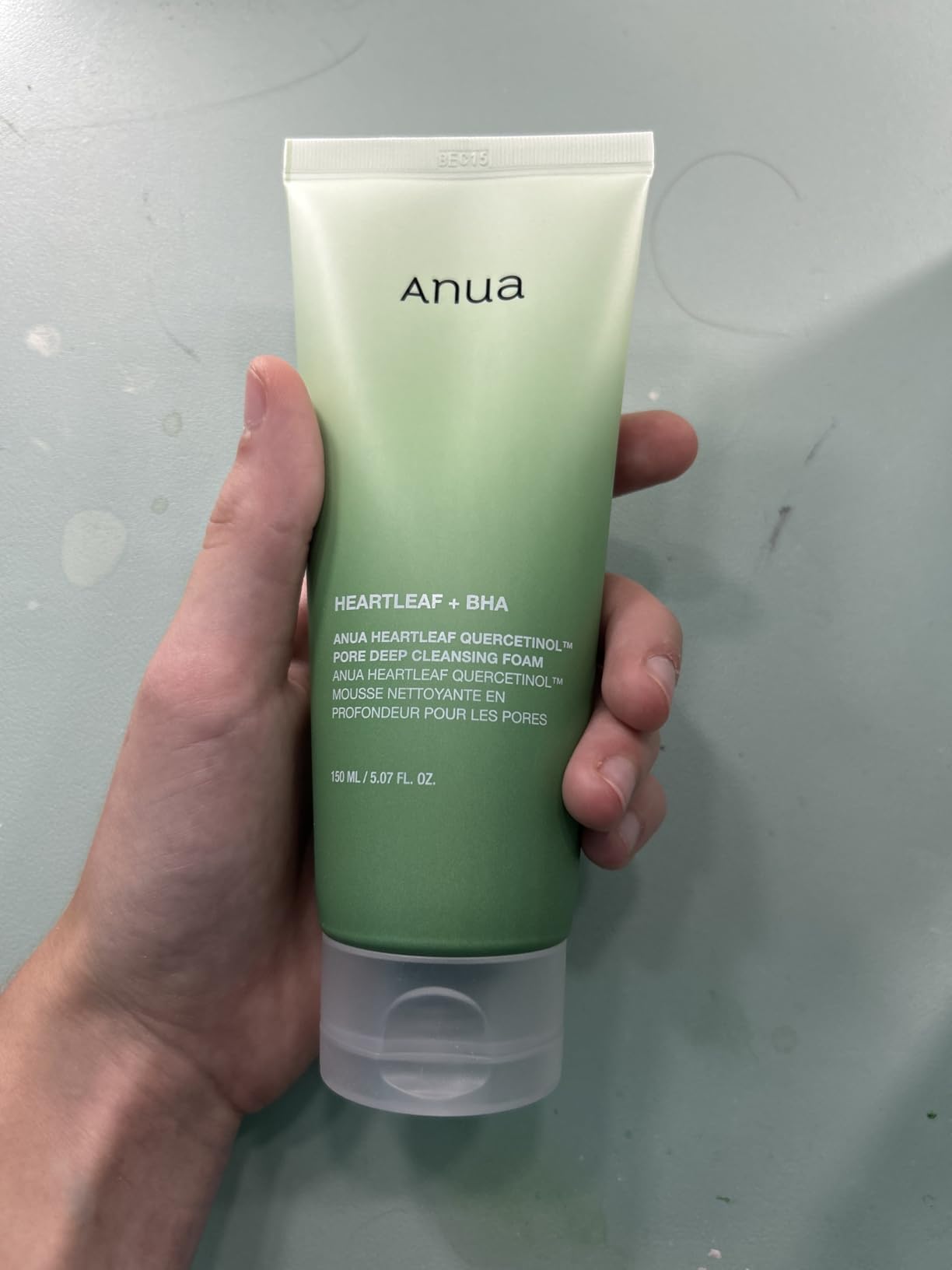
ANUA Heartleaf Quercetinol Pore Deep Cleansing Foam
This cleanser is ideal for comedone-prone skin because it:
Deeply cleans pores without stripping
Reduces sebum
Rebalances the skin barrier
Calms redness and irritation
Helps prevent new clogged pores
The Heartleaf and Quercetinol in the formula soothe acne-prone skin while still giving a gentle but effective cleanse.
How to use:
Use after your oil cleanser.
Massage onto wet skin for 30–45 seconds.
Rinse with lukewarm water.
Avoid hot water — it can worsen oil production.
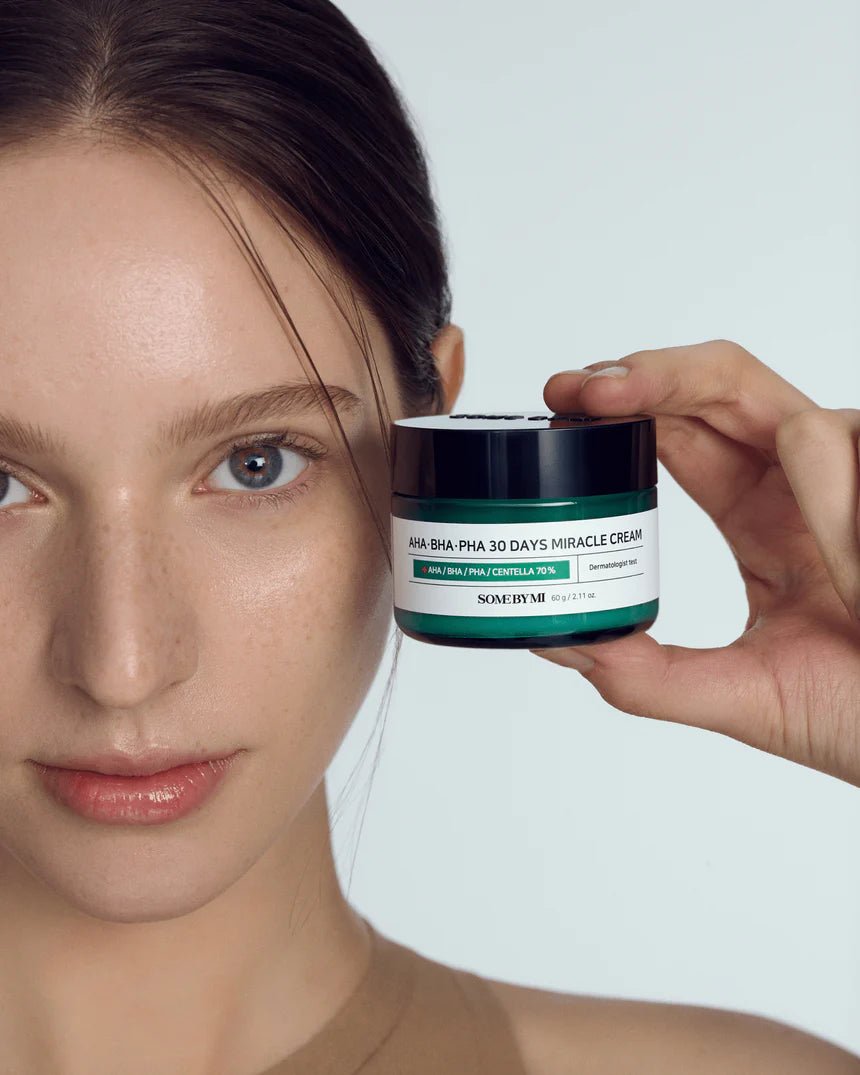
Step 3: Add the Right Exfoliation
Closed comedones need ingredients that help:
Increase cell turnover
Clear dead skin
Prevent clogged pores
The best exfoliants for closed comedones are:
BHA (Salicylic Acid)
Penetrates inside pores and dissolves sebum plugs.
AHA (Glycolic or Lactic Acid)
Exfoliates surface dead skin.
Retinoids
Increase cell turnover and unclog pores.
How often to exfoliate:
2–3 times a week if using acids
Every other night for retinoids (as tolerated)
Avoid aggressive scrubs — they irritate the skin and make comedones worse.
Step 4: Moisturize (Yes, Even Oily Skin)
Skipping moisturizer may seem smart for acne-prone skin, but it actually leads to:
More oil production
More congestion
More closed comedones
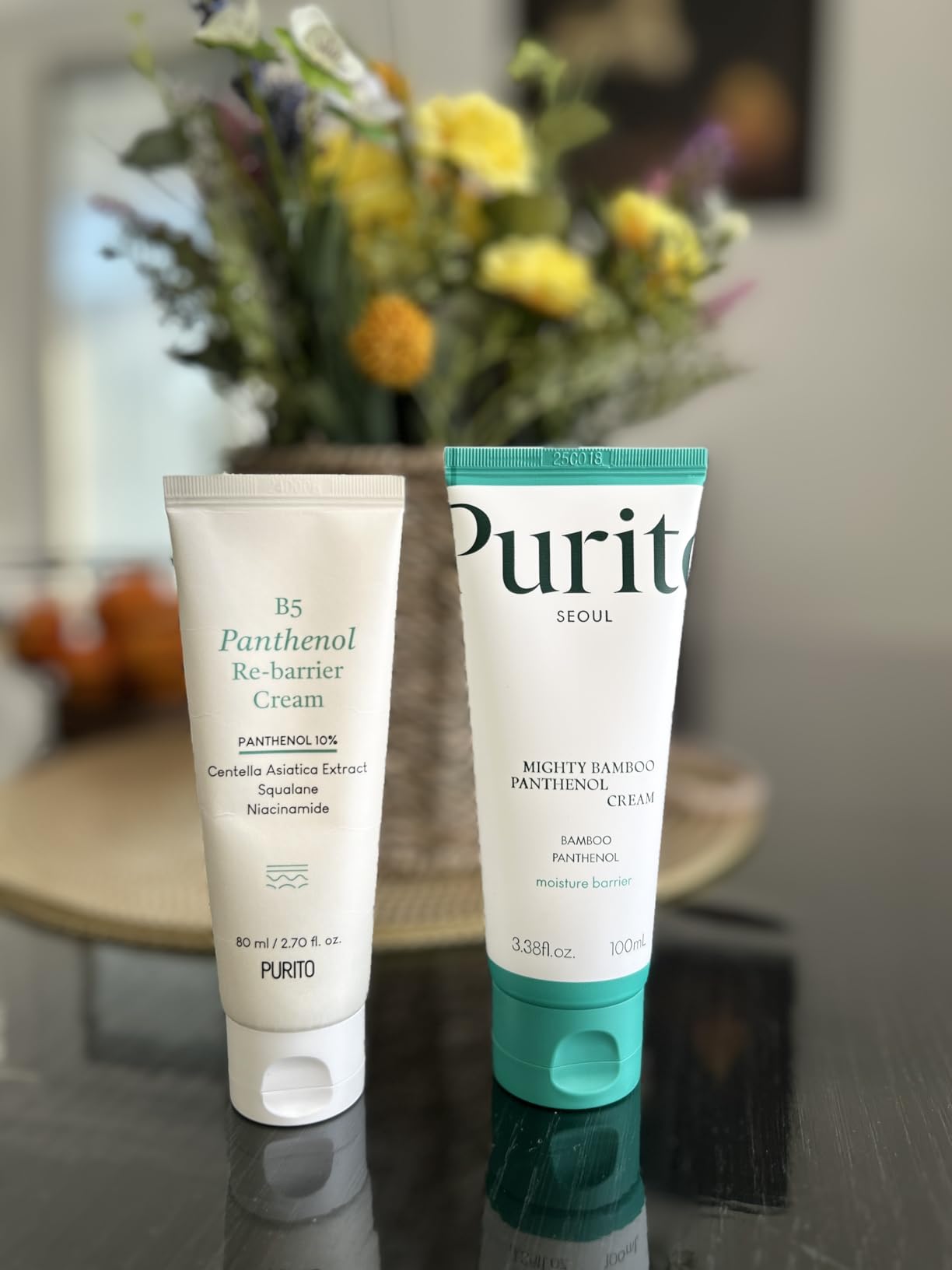
Choose a lightweight gel or non-comedogenic moisturizer.
Look for ingredients like:
Niacinamide
Ceramides
Panthenol
Hyaluronic acid
These hydrate without clogging.
Step 5: Avoid Pore-Clogging Products
Check your products for:
Shea butter
Coconut oil
Isopropyl myristate
Heavy oils
Thicker creams
These can trap oil under the skin and worsen comedones.
Step 6: Be Consistent (Closed Comedones Take Time)
Unlike inflammatory acne, closed comedones don’t disappear overnight. Expect:
3–6 weeks for noticeable improvement
8–12 weeks for full results
But once they start clearing, the skin becomes smoother, softer, and brighter.
How to Prevent Closed Comedones From Coming Back
To keep your skin smooth long-term, follow these habits:
✔ Always remove sunscreen + makeup with an oil cleanser
(Anua Heartleaf Pore Control Cleansing Oil is perfect)
✔ Cleanse thoroughly but gently
(ANUA Heartleaf Quercetinol Foam is ideal)
✔ Exfoliate consistently
2–3 times per week with chemical exfoliants
✔ Avoid comedogenic ingredients
✔ Clean pillowcases, hats, scarves, and makeup brushes
✔ Avoid touching your face throughout the day
✔ Use lightweight moisturizers & SPF
Consistency is everything — closed comedones respond best to routine care.
Final Thoughts
Closed comedones may be stubborn, but they are absolutely treatable. With the right cleansing routine, gentle exfoliation, and barrier-supporting skincare, you can smooth out your texture and prevent new bumps from forming.
Using products like:
Anua Heartleaf Pore Control Cleansing Oil
ANUA Heartleaf Quercetinol Pore Deep Cleansing Foam
is one of the most effective ways to break the cycle of clogged pores and keep your skin balanced, clean, and glowing all year long.