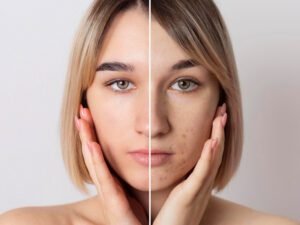
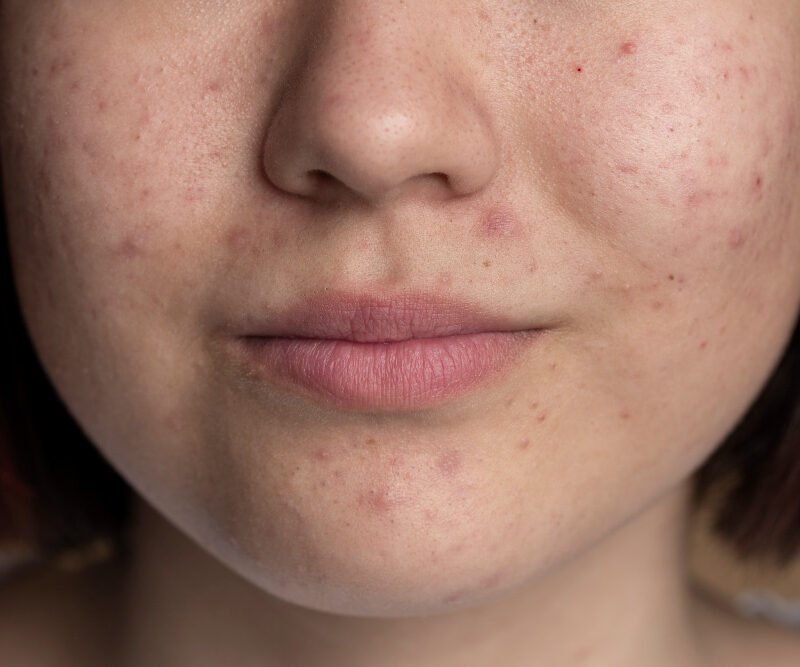
Let’s be real—acne isn’t just annoying, it’s like your skin’s way of texting you “Hey, something’s up!” and then ghosting you with a red, angry zit. I’ve been there—waking up to mysterious pimples in spots I didn’t even know could break out. But here’s the cool part: acne face mapping can actually help decode what your skin is trying to tell you. Think of it as reading secret messages, but instead of hieroglyphics, it’s on your forehead, cheeks, and chin. Curious? You should be. Let’s chat about it.
What Is Acne Face Mapping, Anyway?
At its core, acne face mapping is the idea that the location of your breakouts can hint at what’s going on inside your body. Yeah, your skin might just be a little tattletale. This concept comes from traditional Chinese medicine, where different areas of the face correspond to internal organs or bodily functions.
Here’s the deal: you’re not doomed to random pimples forever. By noticing patterns, you might pinpoint triggers like stress, diet, hormones, or lifestyle habits. Personally, I was skeptical at first, but after noticing a recurring breakout on my chin every time I skipped sleep, I was like, “Okay… this actually makes sense.”
Forehead: Stomach and Digestive Drama
Ever notice pimples popping up right on your forehead? That’s usually a sign that your digestive system might be throwing tantrums.
Common causes include:
Poor diet choices: Sugary snacks, greasy food, or too much caffeine. Yep, your beloved late-night fries might be sabotaging your forehead.
Stress: That looming work deadline? Your forehead knows.
Lack of sleep: Seriously, your skin notices before you do.
Pro tip: Try cutting back on sugar and oily foods for a week or two, and track if your forehead clears up. Also, drink water like it’s your job. Hydration isn’t just hype—your digestive system literally thanks you for it.
Between the Eyebrows: Liver in Distress
If your skin is throwing mini tantrums between your eyebrows, it might be a liver-related issue. I know, it sounds dramatic—but hear me out.
Possible triggers:
Excess alcohol consumption
High-fat or processed foods
Detox needed? Maybe, maybe not, but reducing junk helps.
Personally, after cutting down on late-night pizza binges and adding more greens, my eyebrow zone finally chilled out. Who knew kale could double as a skin therapist?
Cheeks: Lungs and Lifestyle
Cheek breakouts are tricky because they can signal lung or respiratory issues, but they’re also commonly linked to lifestyle factors.
Smoking: Sorry, smokers, your cheeks might be telling on you.
Air pollution: Living in a city? Yeah… urban skin struggles are real.
Dirty phone or pillowcases: I can’t stress this enough. Your cheeks are basically hugging surfaces all day.
Fun fact: I started changing my pillowcase every 3 days instead of 7, and the improvement was noticeable. Your skin literally pays attention to the little things.
Nose: Heart and Circulation Check
The nose isn’t just for breathing—it might also be shouting about circulation issues.
High blood pressure or poor circulation can manifest as breakouts here.
Diet high in fried foods can also cause flare-ups.
Stress—because of course, stress is the universal troublemaker.
Tip from experience: Swapping heavy, greasy meals for balanced snacks helped tone down my nose breakout episodes. Also, quick cardio sessions actually seemed to help. Who knew jogging could double as zit therapy?
Chin and Jawline: Hormonal Rollercoaster
Ah, the classic hormonal hotspots—chin and jawline breakouts. These are often the trickiest because they’re influenced by internal shifts you might not even notice.
Common causes:
Hormonal fluctuations (hello, period or PCOS)
Stress hormones like cortisol
Too much touching or picking (guilty as charged)
I remember one particularly stubborn jawline breakout cycle. It coincided perfectly with exam stress—IMO, stress and hormones deserve an award for coordinated attacks.
What helps:
Maintaining a consistent skincare routine (don’t skip cleansing!)
Avoiding heavy creams right before bedtime
Seeing a dermatologist if breakouts are persistent
Ears: Kidneys and Hydration Warnings
Yes, even your ears can send a signal. Ear breakouts often point to kidney function or hydration levels.
Things to watch:
Are you drinking enough water?
Too much salty food?
Stress levels? (Again, stress.)
A personal tip: I added a water bottle to my desk routine, aiming for 2 liters daily. Ear acne became a rare guest rather than a permanent resident. Small wins, people.
Jawline, Neck, and Back: Hormones and Beyond
Sometimes acne isn’t just on the face—it spreads to the neck, shoulders, and back. These spots are often hormone-related but can also be triggered by lifestyle choices.
Tight clothing or sweaty gym sessions
Stress and sleep deprivation
Hormonal shifts, especially in teenagers or adults under stress
Pro tip: Wash workout clothes promptly and don’t sleep in sweaty gear. Your back will thank you, and honestly, fewer breakouts mean fewer awkward red spots on Instagram selfies.
Lifestyle Habits That Make Acne Face Mapping Work
Here’s the deal: face mapping works best if you combine it with lifestyle awareness. It’s like detective work—your face is the crime scene, but clues matter only if you notice patterns.
Keep a breakout diary
Jot down diet, stress levels, sleep, and skincare habits.
Patterns pop up way faster than you’d think.
Consistent skincare
Cleansing, exfoliating, and moisturizing matter.
Stick with it; your face hates inconsistency more than you do.
Stress management
Meditation, exercise, or even a Netflix binge counts.
Lower stress = fewer angry red signals.
Hydration & diet tweaks
Water is a miracle worker.
Swap soda for herbal tea; your forehead will love you.
Check environmental factors
Pillowcases, phones, and makeup brushes can hide bacteria.
Clean often, your cheeks will send you a thank-you text.
Face Mapping Isn’t Magic, But It’s Insightful
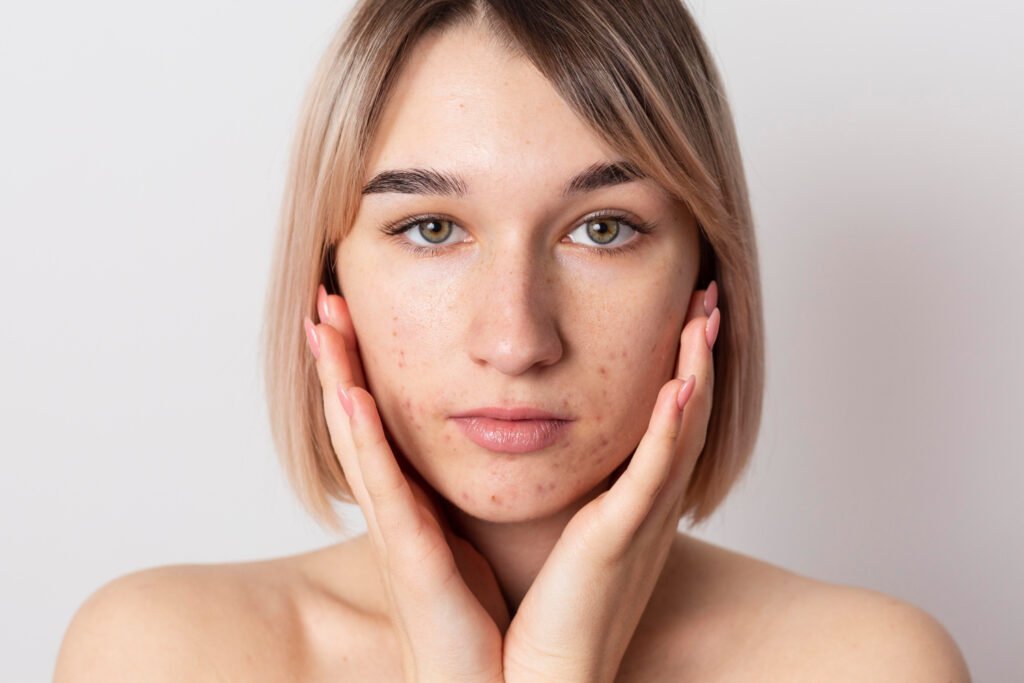
Let’s be honest: acne face mapping isn’t a miracle cure. You won’t look in the mirror and suddenly have flawless skin overnight. But it gives context, which is half the battle.
Imagine this: instead of randomly slathering products hoping for results, you’re targeting the actual triggers. That’s smart skincare. IMO, it’s like upgrading from guesswork to strategy.
Forehead zits: Check your digestion.
Eyebrow pimples: Show your liver some love.
Cheek breakouts: Lifestyle audit time.
Nose: Circulation and diet check.
Chin & jawline: Hormonal detective mode.
Each zone tells a story—if you listen.
When to See a Professional
Sometimes, your skin might be more than just a signal; it could be a red flag. See a dermatologist if:
Breakouts are painful, cystic, or persistent despite lifestyle changes.
You notice sudden skin changes alongside other symptoms.
Over-the-counter remedies just don’t cut it.
FYI, professional help is nothing to be ashamed of—your skin is like a complex ecosystem, and sometimes you need an expert tour guide.
Wrapping It Up: Listen to Your Face
Here’s the takeaway: your skin talks, whether you like it or not. Acne face mapping gives you a cheat sheet to decode the messages. It’s not foolproof, but it’s better than guessing why your forehead betrayed you after a pizza binge.
Personally, the best part is that it makes skincare feel empowering rather than punishing. You’re not at the mercy of mysterious breakouts anymore; you’re learning the story behind each zit.
So next time you spot a new breakout, don’t just sigh and cover it with concealer. Ask yourself: what is my skin really trying to say? Maybe it’s about your diet, sleep, stress, or even just that it needs a little extra love. And remember, a little humor along the way never hurts—your skin can’t judge.
Key Takeaways:
Acne face mapping links breakout locations to internal triggers.
Forehead = digestion, eyebrows = liver, cheeks = lifestyle, nose = circulation, chin/jawline = hormones.
Lifestyle changes amplify the benefits: hydration, sleep, diet, and clean habits.
Keep track with a diary to spot patterns and avoid guesswork.
Professional help is always a smart move for persistent or severe acne.
In the end, think of your face as a daily diary—sometimes it’s funny, sometimes dramatic, but always telling you something. Listen, decode, and care for it, and your skin might just start cooperating.