
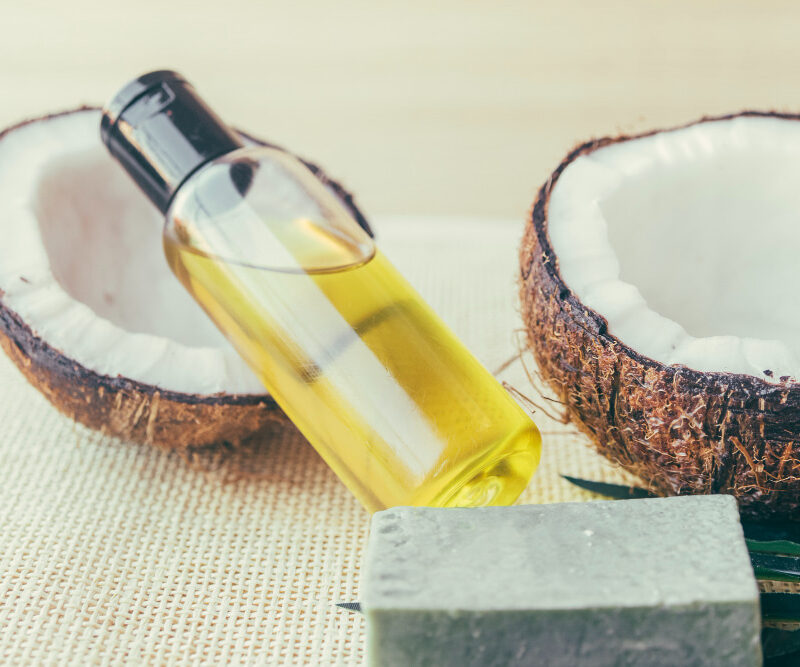
Hey friend! So, you’ve probably heard the hype about coconut oil being some sort of miracle potion for your hair. But let’s be real—there’s a lot of noise out there, right? Some people swear it makes their hair silky smooth, while others say it turns their locks into a greasy mess. I’ve spent years experimenting with this stuff (yes, my pillowcases have the stains to prove it), and I’m here to give you the ultimate Coconut Oil Hair Guide For 2026—no BS, just the good stuff.
By the end of this guide, you’ll know exactly how to use coconut oil, what it’s good for, what it isn’t, and how to avoid looking like you just rolled around in a tropical smoothie. Ready? Let’s jump in.
Why Coconut Oil Works (And Why You’ll Love It)
Okay, first things first: why do people go bananas over coconut oil for hair? Well, the magic mostly comes down to its fatty acids, mainly lauric acid, which is like a VIP guest for your hair strands. These fatty acids can penetrate the hair shaft, helping reduce protein loss and boost strength.
Here’s the deal: hair is mostly protein, and protein = structure. If your hair loses too much, you get breakage, frizz, and split ends—yikes. Coconut oil can help lock in protein and keep your strands happy.
But don’t get too carried away. It’s not a miracle overnight fix. Think of it more like a loyal sidekick for your hair journey.
Choosing the Right Coconut Oil
Not all coconut oil is created equal, and honestly, picking the wrong type is a rookie mistake. Let’s break it down:
Virgin vs. Refined
Virgin Coconut Oil – Cold-pressed, unrefined, and smells like a tropical vacation. It’s nutrient-rich and the type I use for my hair treatments.
Refined Coconut Oil – Neutral smell, sometimes cheaper, but many of the nutrients get stripped away. Works okay for styling, but not the best for deep nourishment.
My tip: Go virgin. Your hair deserves the real deal.
Organic & Unrefined
If the label doesn’t scream “organic” and “unrefined”, I wouldn’t touch it. Chemicals in low-quality oils can actually irritate your scalp or weigh your hair down.
How to Use Coconut Oil on Your Hair
There’s more than one way to get those luscious locks. Let’s break it down by method.
1. Pre-Wash Treatment (My Favorite)
I do this a few times a week. It’s basically giving your hair a mini spa day.
Warm 1-2 tablespoons of coconut oil in your palms.
Massage it into your scalp and hair—focus on dry ends.
Leave it on for 30 minutes to 2 hours (or overnight if you’re brave).
Wash it out with a gentle shampoo.
Why it works: It protects your hair from shampoo stripping away too much moisture. Think of it as armor for your strands.
2. Post-Wash Shine Boost
Ever notice how some oils make your hair look greasy? Yeah, I’ve been there. Here’s the hack:
Use a tiny pea-sized amount on damp hair.
Rub it between your hands and run through ends only.
Voila—shine without the swampy look.
3. Scalp Massage
Coconut oil stimulates circulation and nourishes the scalp. Rub a small amount in before bed and let it sit. FYI, pillowcase stains are a risk, so maybe use an old one.
Benefits You Can Actually Expect
Let’s talk results—because I know you’re thinking, “Will this actually work?”
1. Frizz Control
Coconut oil smooths down the cuticle and reduces frizz. Works especially well if your hair freaks out in humidity (mine does).
2. Split End Prevention
While it doesn’t “heal” split ends, it reduces further breakage. Think of it as damage control for your strands.
3. Moisture Lock
Dry hair? Coconut oil locks in hydration like a boss. The fatty acids cling to hair proteins and keep them from drying out.
4. Scalp Health
It has antimicrobial properties, which can help prevent flakiness and minor irritation. Your scalp will thank you.
Common Mistakes People Make
Here’s the part where I get real with you. People mess up with coconut oil all the time. Don’t be that person.
Using too much – Less is more. Over-oiling can weigh down your hair and make washing a nightmare.
Skipping shampoo after a heavy treatment – Your hair will look like you just came from a luau.
Applying to fine hair like thick hair – Fine hair needs much less oil. Seriously, a drop or two will do.
Expecting overnight miracles – Coconut oil helps over time, not instantly.
Coconut Oil vs. Other Oils
Not all oils play the same game. Let’s compare coconut oil to a few popular alternatives:
| Oil Type | Strengths | Weaknesses |
|---|---|---|
| Coconut Oil | Penetrates hair, reduces protein loss | Can be heavy on fine hair |
| Argan Oil | Great for shine, lightweight | Expensive |
| Olive Oil | Deep moisture | Strong smell, can be greasy |
| Jojoba Oil | Mimics natural scalp oils | Less effective on protein loss |
IMO: Coconut oil is still king if you want strength + moisture + affordable. Argan is fab for shine, but it won’t strengthen like coconut oil does.
DIY Coconut Oil Hair Treatments
Want to feel like a hair alchemist? Try these at home.
1. Coconut Oil + Honey Mask
1 tbsp coconut oil
1 tbsp honey
Mix, apply to hair, leave 20-30 mins, rinse.
Benefit: Extra moisture boost and softening.
2. Coconut Oil + Aloe Vera
1 tbsp coconut oil
1 tbsp aloe vera gel
Apply to scalp, leave 30 mins, wash.
Benefit: Hydrates scalp and reduces irritation.
3. Coconut Oil Overnight Treatment
Apply light layer to ends before bed.
Wrap hair in a silk scarf.
Wash in the morning.
Benefit: Deep nourishment while you sleep—dreamy, right?
How Often Should You Use Coconut Oil?
Honestly, it depends on your hair type.
Dry or damaged hair: 2–3 times per week
Normal hair: Once a week
Oily hair: Maybe just use it as a pre-wash treatment
Remember, consistency beats intensity. A little bit often is better than drowning your hair once a month.
Coconut Oil Hair Myths Busted
Let’s clear up some nonsense you might have read online:
Myth 1: Coconut oil makes your hair grow faster.
Truth: It strengthens hair and reduces breakage, but growth rate is mostly genetics.
Myth 2: It can fix split ends.
Truth: Nope. It prevents new splits but won’t glue the old ones back together.
Myth 3: Any coconut oil works the same.
Truth: Only virgin, unrefined coconut oil gives full benefits.
Final Tips for 2026 Hair Goals
If you really want to slay the hair game this year, here are my pro tips:
Invest in a high-quality coconut oil – your hair deserves premium fuel.
Focus on ends, not roots – avoid the greasy look.
Use it consistently, not excessively – slow and steady wins the hair race.
Combine with other good habits – healthy diet, minimal heat styling, silk pillowcases.
Wrapping It Up
Alright, let’s recap—because I know your attention span is like, five seconds sometimes
Coconut oil strengthens, moisturizes, and protects your hair.
Use it correctly (pre-wash, post-wash, or scalp massage) for best results.
Don’t overdo it—tiny amounts go a long way.
Pick the right type: virgin, unrefined, organic.
Be consistent and patient. Hair transformation doesn’t happen overnight, but it sure does feel magical over time.
If there’s one takeaway from this Coconut Oil Hair Guide For 2026, it’s this: coconut oil isn’t just an old-school remedy, it’s a modern hair MVP—affordable, effective, and yes, even a little fun to play with. So go ahead, give your hair some love, and maybe, just maybe, your strands will start behaving like the superstar they were born to be.