
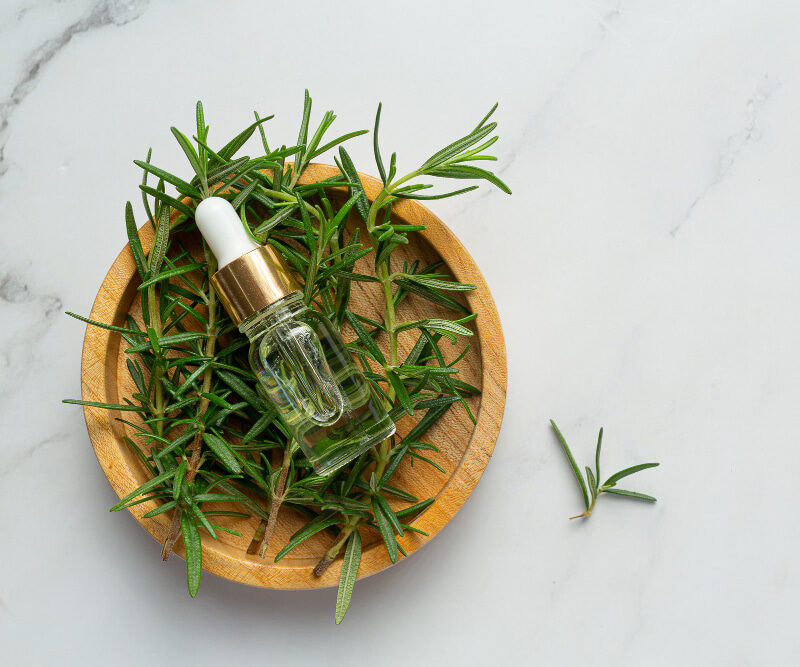
Introduction: So… your hairbrush looks a little too full lately?
I’ve been there. One morning you run your fingers through your hair, and boom—more strands than vibes. That moment sent me straight into the world of DIY rosemary oil for hair growth, and honestly? I didn’t expect to like it this much.
I love natural hair care, mostly because my wallet and my scalp both panic when I buy fancy products. So when I kept hearing people rave about rosemary oil, I thought, Can a herb from my kitchen really help my hair grow? Spoiler: it actually can.
Let’s talk about how to make it, why it works, and how to use it without turning your bathroom into a medieval apothecary.
Why Everyone Obsesses Over Rosemary Oil for Hair Growth
Rosemary oil didn’t just appear on TikTok for fun. People used it for centuries, long before influencers held ring lights. I like that kind of credibility.
What rosemary oil actually does
Rosemary oil helps stimulate blood flow to the scalp. Better circulation means your hair follicles get more oxygen and nutrients. And yes, follicles love that stuff.
Here’s why it works so well:
Boosts scalp circulation
Supports thicker-looking hair
Helps reduce hair shedding
Keeps the scalp healthier overall
Ever wondered why healthy scalps grow better hair? Same reason plants hate dry soil. No moisture, no growth.
IMO, rosemary oil works best because it treats the scalp instead of just coating the hair shaft.
My Personal Experience With DIY Rosemary Oil
I won’t pretend my hair turned into a shampoo commercial overnight. That would feel suspicious, right?
After about four weeks, I noticed less hair fall in the shower. Around week eight, my baby hairs started popping up like tiny antennas. Annoying? Yes. Encouraging? Absolutely.
I loved that I controlled the ingredients. No mystery chemicals. No $40 price tag. Just herbs and oil doing their thing.
DIY Rosemary Oil vs Store-Bought: Let’s Be Real
You can buy rosemary oil anywhere now. But should you?
Store-bought rosemary oil
Pros:
Convenient
Ready instantly
Long shelf life
Cons:
Often diluted poorly
Sometimes mixed with unnecessary fillers
Can get expensive fast
DIY rosemary oil
Pros:
Full control over ingredients
Much cheaper
Fresh and potent
Feels weirdly satisfying to make
Cons:
Takes time
Requires patience (ugh)
I choose DIY because I trust my own kitchen more than vague ingredient labels. Plus, making it feels like self-care with attitude.
What You’ll Need to Make DIY Rosemary Oil
Let’s keep this simple. You don’t need rare herbs harvested at dawn.
Ingredients
1 cup dried rosemary (fresh works too, but dried lasts longer)
1–1½ cups carrier oil
Good carrier oil options:
Olive oil (easy and affordable)
Coconut oil (great for dry hair)
Jojoba oil (closest to scalp’s natural oil)
Castor oil (thicker, use sparingly)
Tools
Small saucepan or double boiler
Glass jar with lid
Strainer or cheesecloth
Patience (seriously)
FYI, dried rosemary reduces mold risk. Fresh rosemary looks cute but spoils faster.
How to Make DIY Rosemary Oil for Hair Growth
Method 1 – Slow Infusion (my favorite)
This method gives you stronger oil. It also tests your patience a little.
Steps:
Add rosemary and carrier oil to a saucepan.
Heat on very low for 30–45 minutes.
Stir occasionally and avoid frying the herbs.
Let it cool completely.
Strain and store in a glass jar.
Low heat matters here. High heat kills the good stuff, and nobody wants crispy rosemary oil.
Method 2 – No-Heat Infusion
Perfect if you hate babysitting a stove.
Steps:
Place rosemary in a jar.
Cover fully with oil.
Seal tightly.
Store in a dark place for 4–6 weeks.
Shake every few days.
This method takes longer, but it feels oddly peaceful. Like herbal therapy.
How to Use Rosemary Oil for Hair Growth
Making it feels great. Using it correctly matters even more.
Scalp massage method
This one delivers the best results.
Apply oil directly to the scalp
Massage gently for 5–10 minutes
Leave on for at least 30 minutes
Wash out thoroughly
I usually do this twice a week. More doesn’t equal better. Your scalp still needs breathing room.
Overnight method (use carefully)
You can leave it overnight, but:
Use very little oil
Protect your pillow
Wash thoroughly in the morning
Heavy oil can clog follicles if you overdo it. Balance always wins.
How Often Should You Use It?
This part trips people up.
2–3 times per week works best.
Daily use can irritate sensitive scalps. Growth comes from consistency, not obsession. Trust me—I tried obsession once. My scalp complained loudly.
Ever noticed how hair routines fail when they feel stressful? Keep it chill.
Signs It’s Working (and When to Chill)
Good signs
Less hair fall
Reduced itchiness
Stronger roots
Tiny baby hairs
Not-so-good signs
Burning sensation
Redness
Excess dandruff
If irritation shows up, stop immediately. Natural doesn’t mean harmless. Even herbs have boundaries.
Common Mistakes People Make
Let’s save you some regret.
Using essential oil directly on scalp (big nope)
Heating oil too aggressively
Applying too much product
Expecting results in one week
Hair growth moves slowly. Anyone promising instant results probably also sells miracle tea.
Rosemary Oil and Hair Types: Does It Work for Everyone?
Short answer? Mostly yes.
Works well for:
Thinning hair
Postpartum shedding
Stress-related hair fall
Weak roots
Might need caution if you have:
Extremely sensitive skin
Active scalp conditions
Allergies to herbs
Patch test first. Always. One tiny test saves a lot of regret later.
Can Rosemary Oil Help With Hair Loss?
This question pops up constantly.
Some studies compare rosemary oil to minoxidil for mild hair loss. That doesn’t mean it replaces medical treatment, but it does mean it shows potential.
I see it as a support tool, not a miracle cure. It helps create the right environment for growth.
Healthy scalp = better chance for hair growth. Simple logic, right?
Extra Tips to Boost Results
Rosemary oil works best when you support it.
Try pairing it with:
Scalp massages
Gentle shampoos
Reduced heat styling
Adequate protein intake
Stress management
Hair listens to your lifestyle whether you like it or not.
Storage and Shelf Life
Store your DIY rosemary oil properly so it doesn’t turn funky.
Use a dark glass jar
Keep away from sunlight
Store in a cool place
Shelf life usually lasts 3–6 months.
If it smells off, toss it. Hair growth should never smell suspicious.
Why DIY Rosemary Oil Feels So Empowering
This part surprised me.
Making my own hair oil changed how I viewed hair care. I stopped chasing trends and started listening to my scalp.
I liked knowing exactly what touched my skin. I liked the ritual. I liked watching small improvements stack up.
Sometimes progress whispers instead of shouting.
Quick FAQ Round
Can I mix rosemary with other herbs?
Yes. Lavender and peppermint pair well.
Can I use it on eyebrows?
Carefully, yes. Use a clean spoolie.
Will it make hair greasy?
Only if you overapply.
Does it smell strong?
Herbal, yes. Offensive, no.
Final Thoughts: Is DIY Rosemary Oil Worth It?
Absolutely—if you stay consistent and realistic.
DIY rosemary oil for hair growth won’t give you instant Rapunzel hair. But it can strengthen roots, support healthier growth, and help you reconnect with your hair routine.
I love it because it feels simple, honest, and effective over time. No hype. No panic buying. Just you, a herb, and a little patience.
So if your hair feels stuck, thinning, or just moody lately, why not try it? Worst case, your scalp gets a nice massage. Best case? Baby hairs say hello.
And honestly… that’s a win either way.