
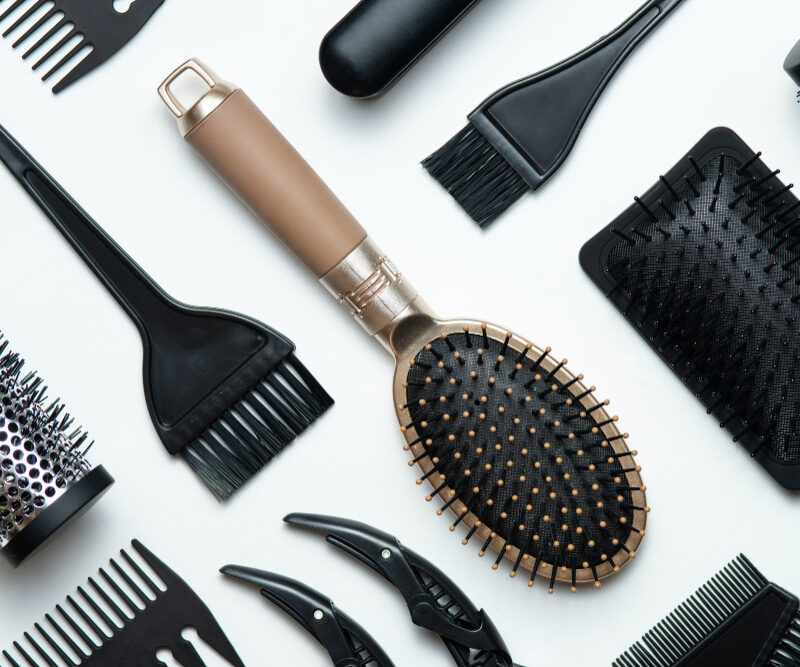
Let’s be honest—hair brushes are gross. I mean, unless you like discovering yesterday’s hair wrapped around your brush in a little gray-brown crown of doom, it’s time to talk cleaning. I used to ignore mine for weeks (months? Don’t judge), and my brushes started resembling mini hairballs from a horror movie. But once I actually cleaned them regularly, not only did my hair feel better, my scalp was thanking me. So, if you’re ready to give your brushes the glow-up they deserve, let’s chat about 9 easy ways to clean your hair brushes.
1. Remove Loose Hair First – The Obvious Step
Before you start thinking about soaps, scrubs, or anything fancy, you need to get rid of all that trapped hair. Seriously, nothing kills the cleaning vibe faster than trying to wash a brush that looks like it’s auditioning for The Hairball Chronicles.
How I Do It:
Grab a comb, toothbrush, or even your fingers. Yes, your fingers. Don’t act like you haven’t done this before.
Gently pull the hair out from the bristles. If it’s stubborn, slide the comb underneath the bristles and lift.
Dispose of the hair properly. Please don’t “save it for later.”
Pro tip: Doing this weekly prevents hair from forming an unholy tangle that’s basically cemented to the brush.
2. Soak in Warm, Soapy Water
Once the hair is gone, it’s time to give your brush a nice soak. Warm water + mild shampoo works wonders.
Steps:
Fill a bowl or sink with warm water (not scalding—your brush isn’t a teabag).
Add a few drops of gentle shampoo or dish soap.
Submerge your brush for 5–10 minutes.
This loosens residue, oil, and product buildup hiding in the bristles. FYI, some people swear by leaving their brushes in a bath of water overnight, but honestly, I think that’s overkill unless you’ve been dyeing your hair every day for a year.
3. Use a Toothbrush for a Deep Clean
You know that little toothbrush you’ve been neglecting? Time to put it to good use.
Dip the toothbrush in soapy water and scrub the base and bristles.
Pay extra attention to the area where bristles meet the pad—that’s where dirt loves to hide.
Rinse under warm water.
Honestly, this is the step that made me fall in love with brush cleaning. It’s almost therapeutic, like scrubbing away your bad hair day sins.
4. Baking Soda for Stubborn Gunk
Sometimes, regular soap just isn’t enough. Enter baking soda—your secret weapon.
Mix 1 tablespoon of baking soda with warm water to form a paste.
Apply it to the bristles and scrub with your toothbrush.
Rinse thoroughly.
Baking soda removes product buildup like a pro and also deodorizes your brush. No more “mystery smell” lurking in your hair tools.
5. Vinegar Rinse – Not Just for Salad
Yes, I’m suggesting vinegar on your brush. Hear me out—it works.
Mix 1 part white vinegar with 2 parts water.
Soak the brush for 5–10 minutes.
Rinse thoroughly with warm water.
Vinegar breaks down residue and disinfects the brush without harsh chemicals. Plus, it leaves your brush feeling squeaky clean. If you’re hesitant, just imagine your brush sipping on a mini spa cocktail—it’s exactly what it needs.
6. Freeze It? Yup, Seriously
This one sounds weird, but freezing your hairbrush can actually help remove stubborn hair clumps.
Pop your brush in a plastic bag and place it in the freezer for a few hours.
Take it out and gently remove hair—the freezing makes the hair less sticky and easier to pull out.
I know, I know… it sounds like a life hack your cousin would post on TikTok, but it works. Trust me.
7. Use a Pin or Needle for Tiny Debris
Ever notice how tiny dust particles and hair bits cling to the base of your brush? A pin, needle, or safety pin can save the day.
Gently poke around the base to loosen any debris.
Be careful not to stab your fingers—or your sanity.
Rinse again if needed.
This is the kind of detail that makes your brush actually feel brand new. It’s like flossing, but for your hair tools.
8. Drying the Right Way
After all that scrubbing and soaking, how you dry your brush matters. Air drying is your friend here.
Place the brush bristle side down on a clean towel.
Let it air dry completely before using it again.
Avoid the hair dryer—it can warp the plastic or damage wooden brushes.
IMO, a dry brush = happy hair. Wet brushes can harbor bacteria and mold, and nobody wants that creeping into their scalp.
9. Maintenance Tips – Keep It Clean Longer
Once you’ve gone through all this effort, you don’t want to have to repeat it every week. Here are my top maintenance tips:
Weekly quick hair removal: Spend 2 minutes pulling hair out. You’re welcome.
Limit product buildup: Rinse your brush after using heavy oils or styling products.
Store properly: Keep brushes in a clean, dry place. Moist, closed containers are basically a spa for germs.
Bonus tip: I keep a small brush-cleaning kit in my bathroom drawer. Toothbrush + comb + small container of vinegar = instant hygiene hero.
Extra: Brush Type Matters
Not all brushes are created equal. Some need a gentler touch, some can take a beating:
Plastic brushes: Can handle water, soap, vinegar, etc.
Wooden brushes: Avoid soaking. Use a damp cloth and mild soap instead. Too much water = warped handle.
Boar bristles: Gentle shampoo + toothbrush. Avoid harsh chemicals.
Personally, I mix and match methods depending on the brush. My boar bristle brush gets the spa treatment, while my plastic paddle brush gets a straight-up deep clean.
Wrapping It Up
Cleaning your hair brushes doesn’t have to be a nightmare. With these 9 easy ways to clean your hair brushes, you can go from tangled hair horrors to fresh, happy bristles in no time.
Remove hair first. Don’t skip this.
Soak, scrub, and rinse for a squeaky-clean brush.
Use baking soda or vinegar for stubborn buildup.
Freeze or pin for hard-to-reach spots.
Dry properly and maintain regularly.
Honestly, once you start doing this regularly, you’ll wonder how you ever lived with gross brushes. Your hair will thank you, your scalp will thank you, and heck—maybe even your friends will notice.
So, grab your brushes and get cleaning. And hey, don’t be surprised if this turns into a weirdly satisfying self-care ritual. I won’t judge if you start calling it “me-time with the brushes.”