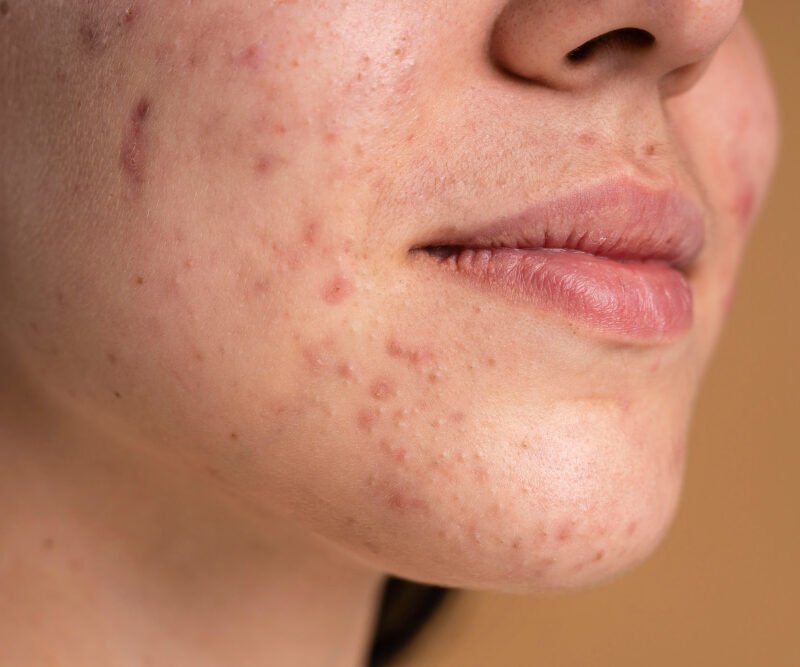
Ever looked in the mirror and thought, “Hmm… where did that come from?” Yup, face scars have a sneaky way of showing up when you least expect them. Whether it’s from a childhood mishap, acne battles, or the occasional adventurous encounter with, well… anything sharp, scars are kind of like uninvited souvenirs. But the good news? You can do something about them. Today, let’s chat about why scars form and some smart, realistic ways to minimize them—without breaking the bank or resorting to miracle creams that promise you’ll look 20 again overnight.
Why Do Face Scars Happen?
So first things first: why do these little marks stick around long after the wound heals? It all comes down to how your skin repairs itself. Your body is basically a construction crew rushing to fill a hole in a wall. Sometimes it leaves a smooth finish, and other times… well, that’s where scars come in.
Common Causes of Face Scars
Here’s a quick rundown of the usual suspects:
Acne – The notorious culprit. Squeezing pimples might feel satisfying (FYI, I definitely don’t recommend it), but it often leads to permanent marks.
Cuts & Scrapes – From kitchen disasters to minor accidents, these are classic scar makers.
Burns – Hot oil, curling irons, or sunburns can leave lasting impressions.
Surgical Scars – Even planned procedures can leave a faint trail behind.
Chickenpox & Other Skin Conditions – These pesky viruses sometimes leave more than memories.
Each of these triggers the same repair process in your skin, but the outcome can differ based on skin type, genetics, and care during healing.
Types of Face Scars
Not all scars are created equal, and knowing the type you’re dealing with helps when it comes to minimizing them.
1. Atrophic Scars
These are the sunken, pitted scars you often see after severe acne or chickenpox. Imagine little craters on your skin—fun, right?
How to manage:
Microneedling: Tiny needles stimulate collagen production.
Chemical Peels: Removes the top layer of skin, smoothing out dips.
Laser Therapy: Works well for stubborn pitted scars, though a bit pricier.
2. Hypertrophic Scars
These are the raised, thick scars that don’t expand beyond the original wound. You might know them as “keloids light.”
How to manage:
Silicone Sheets or Gels: Surprisingly effective and affordable.
Steroid Injections: Helps flatten the scar if it’s really prominent.
Cryotherapy: Freezing the scar tissue to reduce thickness.
3. Pigmented Scars
These scars aren’t about texture but color. You might notice dark or red marks after acne heals.
How to manage:
Sunscreen: Prevents darkening.
Topical Treatments: Ingredients like niacinamide, vitamin C, and licorice extract can help fade pigmentation.
Chemical Exfoliants: AHAs and BHAs gently remove dead skin cells, helping even skin tone.
How to Minimize Face Scars: The Real Talk
Alright, so you’ve got scars, but you don’t want to just hide under layers of makeup forever. Here’s a friendly, no-nonsense approach to actually reducing their appearance.
1. Stop Picking (I Know, Easier Said Than Done)
Seriously, this is rule number one. Picking or scratching makes scars worse and increases inflammation. Think of it as poking a bruise—except permanent.
2. Moisturize Like You Mean It
Healing skin loves hydration. Look for moisturizers with:
Hyaluronic acid – locks in water.
Ceramides – helps rebuild the skin barrier.
Aloe vera – soothing and anti-inflammatory.
Pro tip: Even your cheap drugstore lotion can work wonders if you apply it consistently.
3. Use Sun Protection
Sun exposure is a scar’s worst enemy. It darkens pigmentation and slows healing. I personally never skip SPF, even indoors—because windows let in UV too.
Quick tip: SPF 30+ every day, and reapply if you’re out for long periods.
4. Topical Treatments That Actually Work
Not all scar creams are created equal. Some are basically overpriced water in a jar. Here’s what I swear by:
Silicone Gel/Sheets: Best for raised scars, scientifically proven.
Vitamin C Serums: Helps fade dark spots and boosts collagen.
Retinoids (Prescription or OTC): Speeds up cell turnover for smoother skin.
5. Professional Treatments: When to Take It Up a Notch
If at-home care isn’t cutting it, don’t stress. Dermatologists have some legit tools:
Laser Treatments: Fractional or pulsed lasers can resurface skin and reduce both texture and pigmentation.
Microneedling: Stimulates your own collagen. Bonus: can combine with PRP (platelet-rich plasma) for better results.
Chemical Peels: Medium or deep peels work wonders for stubborn acne scars.
Yes, these treatments can be pricey, but IMO, investing in your confidence is totally worth it.
Natural Remedies: Do They Really Work?
I know you’ve seen endless TikToks promising overnight miracles with honey, lemon, or snail slime. Let’s be real—natural remedies have a place, but they’re not magic.
Aloe Vera: Soothing and mildly healing. Perfect for fresh scars.
Honey: Antibacterial and hydrating, but results are subtle.
Coconut Oil: Great for moisture, but doesn’t remodel scar tissue.
Think of these as supportive care rather than a primary solution. They help, but don’t expect dramatic overnight results.
Diet & Lifestyle: The Underrated Scar Hack
Here’s something most people overlook: what you eat can affect your skin’s healing. Who knew, right?
Protein: Your body needs building blocks for new skin.
Vitamin C: Collagen production superhero.
Zinc: Reduces inflammation and speeds healing.
Also, sleep and stress management matter. Stress spikes hormones that slow healing, and lack of sleep? Forget collagen production. Your skin literally works harder when you snooze.
Scar Prevention: The Secret Sauce
Honestly, preventing scars is way easier than fixing them later. Here’s how to avoid future “souvenirs”:
Treat acne early: Don’t wait until it escalates.
Handle cuts & scrapes properly: Clean, cover, and moisturize.
Avoid harsh picking or scratching: I can’t stress this enough.
Use SPF religiously: Yes, even in winter.
Prevention is basically free and painless, which makes it my favorite tip.
When to See a Dermatologist
Sometimes scars need more than DIY care. You should check in with a dermatologist if:
The scar is painful, itchy, or growing.
Home treatments aren’t helping after several months.
You want professional procedures like laser therapy or microneedling.
Remember, a dermatologist isn’t just for emergencies—they’re also for peace of mind and guidance on what really works.
My Personal Scar Story
I’ll be real with you—I’ve had my fair share of scars. One ambitious cooking experiment left me with a small burn mark on my cheek. At first, I was obsessed with hiding it, layering on concealer like a cake. But over time, I realized that gentle care, SPF, and patience worked wonders. Today, the scar is barely noticeable, and I learned to laugh at the memory.
Moral of the story? Patience + proper care beats frantic Googling for “miracle scar cures” every time.
Final Thoughts: Embrace the Journey
Here’s the deal: scars are part of life, but you don’t have to let them define your confidence. With proper care, smart prevention, and a bit of professional help when needed, you can minimize scars and even out your skin tone.
Remember:
Know the type of scar you have.
Use targeted treatments consistently.
Protect your skin from the sun.
Support your skin from the inside out.
And if all else fails, a little humor and perspective go a long way. After all, scars are just stories your skin tells—and you can make sure those stories look good.