Let’s be real for a second—fungal acne is the kind of skin issue that makes you want to hide under your blanket and cancel all social plans. I’ve been there, staring at my reflection, wondering if the tiny, itchy bumps are conspiring against me. And guess what? Regular acne products don’t cut it. If you try treating fungal acne like regular pimples, you’ll just end up frustrated, broke, and slightly bitter at the skincare aisle.
But don’t worry—I’ve spent way too many nights researching and experimenting so you don’t have to. Today, we’re talking about a fungal acne skin care routine that actually works, in plain English, with no nonsense.
What Exactly Is Fungal Acne?
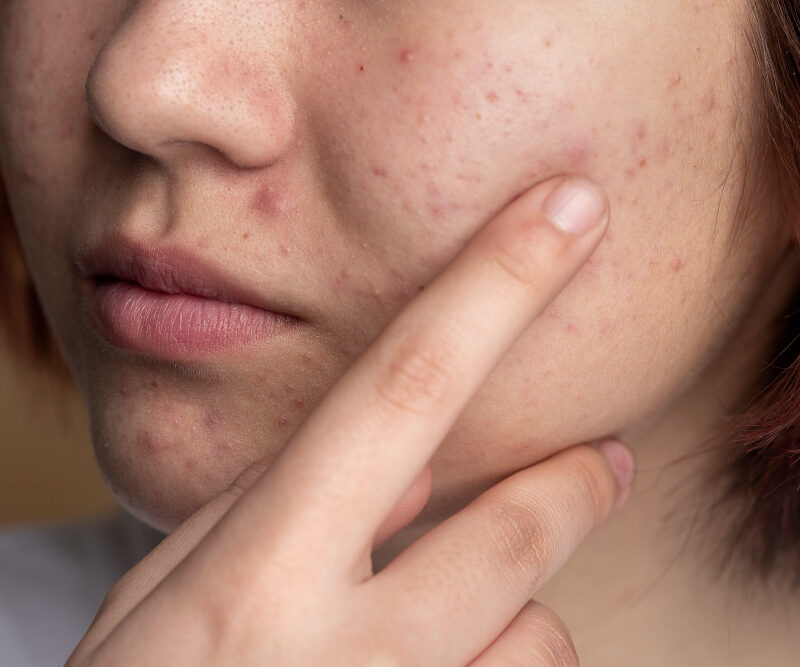
Before we dive into products and routines, let’s clear up the confusion. Fungal acne is not your typical zit. Technically, it’s called Malassezia folliculitis, a yeast infection that lives in your hair follicles.
How It Feels vs. Regular Acne
Fungal acne: Small, itchy bumps, often uniform in size, mostly on the forehead, chest, and back.
Regular acne: Pimples vary in size, sometimes painful, often inflamed.
Here’s a key FYI: oil-heavy or sugary skincare can actually feed fungal acne. Yep, that “miracle moisturizer” could be the villain here.
Ever tried slathering benzoyl peroxide on it? Yeah… that only made me sad.
The Daily Fungal Acne Skin Care Routine
Consistency is everything, my friend. You can’t expect overnight miracles, but with the right products and timing, those little bumps will start backing off.
Step 1: Gentle Cleansing
Why it matters: Cleansing removes excess oil, sweat, and dirt without over-stripping your skin. Harsh cleansers can trigger more fungal growth because your skin tries to overcompensate.
What I use/recommend:
CeraVe Hydrating Cleanser: Works for me because it’s gentle and doesn’t have irritating fatty acids.
La Roche-Posay Toleriane Purifying Foaming Cleanser: Great for oily skin without flaring up fungal acne.
Pro tip: Wash your face twice daily—morning and night. Don’t skip, or those bumps will stage a rebellion.
Step 2: Anti-Fungal Treatment
Here’s the game-changer. You need something that fights the yeast itself, not just pimples.
Top choices:
Nizoral 1% Ketoconazole Shampoo: Yep, that dandruff shampoo you ignored. Works surprisingly well on the face when used as a wash.
Sulfur-based spot treatments: Drying but effective.
How I use it:
Apply ketoconazole shampoo like a mask on problem areas.
Leave it for 3–5 minutes.
Rinse off.
Noticeable difference usually appears in 1–2 weeks. The bumps start flattening, and the itching fades.
Step 3: Hydration Without Feeding the Yeast
You need moisturizer, but not all are safe. Avoid oils like coconut, olive, or esters—these are basically snacks for fungal acne.
My go-to options:
CeraVe PM Lotion: Lightweight, non-comedogenic, fungal acne-friendly.
Paula’s Choice Clear Oil-Free Moisturizer: Perfect for oily skin, hydrating without feeding fungal acne.
Tip: Look for ingredients like glycerin, niacinamide, and hyaluronic acid. They hydrate without feeding the yeast.
Step 4: Sunscreen (Yes, Every Day)
Sunscreen is non-negotiable. But here’s the tricky part: some formulas break me out.
What to choose:
Mineral sunscreens (zinc oxide or titanium dioxide) are usually safe.
Avoid heavy chemical sunscreens with esters or fatty alcohols—they can worsen fungal acne.
I personally love EltaMD UV Clear—lightweight, doesn’t clog pores, and my skin actually enjoys wearing it.
Step 5: Weekly Extras
Exfoliation: Use BHA (salicylic acid) once or twice a week. It penetrates follicles and helps clear out excess sebum and dead skin cells.
Face masks: Clay masks work wonders. Avoid creamy masks with oils.
These extras speed up results without irritating your skin.
Lifestyle Tweaks That Make a Difference
Products alone aren’t the magic bullet. A few lifestyle adjustments make a huge difference:
Shower after sweating: Gym sessions or hot weather = yeast paradise if you linger in sweat.
Loose, breathable clothing: Tight shirts trap moisture on your chest/back, feeding fungal acne.
Laundry check: Detergent buildup on towels can contribute to flare-ups. Switch to gentle, fragrance-free formulas.
Seriously, small tweaks like these make your skincare routine much more effective.
Common Mistakes to Avoid
Let’s talk about what not to do, because I’ve made almost all of these mistakes myself.
Using heavy oils/moisturizers – Yes, argan oil might be “natural,” but it’s basically a yeast buffet.
Scrubbing like crazy – Aggressive exfoliation triggers more inflammation. Be gentle.
Switching products too fast – I get it, we want instant results, but fungal acne takes patience.
Neglecting diet moderation – Sugar and dairy aren’t the sole cause, but they can feed the yeast indirectly.
Product Comparisons I Swear By
I’ve tested a lot, and here’s my honest take:
| Product | Pros | Cons | My Rating |
|---|---|---|---|
| Nizoral 1% Shampoo | Super effective, cheap | Can dry skin if overused | ⭐⭐⭐⭐½ |
| CeraVe PM Lotion | Light, hydrating, fungal-safe | None significant | ⭐⭐⭐⭐⭐ |
| Paula’s Choice Clear Oil-Free Moisturizer | Lightweight, oil-free, safe for fungal acne | Might feel thin for very dry skin | ⭐⭐⭐⭐½ |
| EltaMD UV Clear SPF 46 | Lightweight, protects, calming | Pricey | ⭐⭐⭐⭐½ |
FYI, IMO, the combination of ketoconazole + lightweight moisturizer + mineral sunscreen is the holy trinity for fungal acne.


When to Call in the Pros
Sometimes, despite your best efforts, fungal acne refuses to budge. That’s okay! Dermatologists can prescribe oral antifungals or stronger topical treatments.
Don’t beat yourself up—it’s not a failure; your skin just needs a professional-level intervention.
My Personal Fungal Acne Journey
I remember when I first got fungal acne, I tried every “miracle” face mask and oil you can imagine. My skin laughed at me.
Once I switched to a routine focusing on anti-fungal treatment + fungal-safe moisturizers, my skin finally calmed down. Within two weeks, the itchiness started fading, and after a month, my forehead looked almost normal.
What really helped me stick to it? Consistency and patience. I didn’t chase every new product; I just trusted what worked.
Quick Fungal Acne Routine Recap
If you’re a skimmer like me, here’s the TL;DR version:
Cleanse gently twice daily.
Apply anti-fungal treatment (ketoconazole shampoo or sulfur spot treatment).
Moisturize with fungal-safe products.
Use mineral sunscreen daily.
Exfoliate lightly once or twice a week.
Adjust lifestyle: shower after sweating, wear breathable clothes, and check laundry/detergent.
Stick to this routine consistently, and you’ll notice a real difference.
Final Thoughts
Fungal acne can be stubborn, but it’s totally manageable with the right routine. The key is treating it differently from regular acne, picking products that don’t feed the yeast, and sticking to a consistent schedule.
Remember, your skin isn’t your enemy—it’s just confused. Treat it kindly, use the right tools, and soon you’ll be waving goodbye to those pesky bumps.
And if you ever catch yourself staring at a tiny forehead bump, remember: you’re not alone, and there’s a solution that actually works. Just don’t reach for the coconut oil—trust me on this one.