
Let’s be real—hair oiling sounds simple, right? A little dab here, a little massage there, and boom, luscious hair. But if you’ve ever ended up looking like a greaseball or wondering why your scalp still feels like the Sahara, you know it’s not that straightforward. Trust me, I’ve been there. Over the years, I’ve tried everything from coconut oil “miracles” to fancy Moroccan oils that cost more than my Netflix subscription. And guess what? There’s actually a right way to do it. So, pull up a chair, and let’s chat about how to choose and use hair oil the way your hair actually deserves.
Why Hair Oil Actually Matters
I know, I know—some people think hair oil is just “old-school grandma stuff.” But here’s the thing: hair oils aren’t just for shine. They can nourish your scalp, strengthen strands, prevent breakage, and even fight frizz.
Benefits You Can Actually Feel
Moisturizes Dry Hair: Oils penetrate hair shafts better than most shampoos.
Prevents Split Ends: Regular oiling keeps your tips happy.
Soothes the Scalp: Got dandruff? Oils like tea tree or almond can help.
Improves Hair Growth: Healthy scalp = healthy hair. Sounds simple, right?
Honestly, if you skip oiling entirely, your hair might survive—but it won’t thrive. Ever noticed how some people’s hair just glows? Yep, oil is usually part of the secret.
Choosing the Right Hair Oil
Consider Your Hair Type
Your hair type changes everything.
Oily Hair: Light oils like argan, jojoba, or grapeseed are your best friends. They moisturize without making you look like you just dunked your head in a fryer.
Dry Hair: Heavier oils like coconut, castor, or avocado penetrate deeply and lock in moisture.
Curly Hair: Look for shea butter or almond oil. Curly strands thrive on hydration.
Fine Hair: Avoid heavy oils that weigh hair down. Stick to lightweight oils.
Check Ingredients Like a Detective
Ever noticed that some oils have 20 ingredients and you can’t pronounce half of them? Yeah… skip that. Stick to pure, natural oils whenever possible. If it says “parfum” or “sulfates,” leave it on the shelf.
Personal Preference Matters
I’ll be honest—sometimes it’s about smell and texture. I love almond oil because it smells nutty and isn’t sticky. My friend? She swears by argan oil because it absorbs fast and makes her hair feel “silky af.” Test a few. You’ll know what clicks.
How Much Oil Should You Actually Use?
Here’s a common mistake: more is NOT better. Unless you like the feeling of a slick, greasy mop.
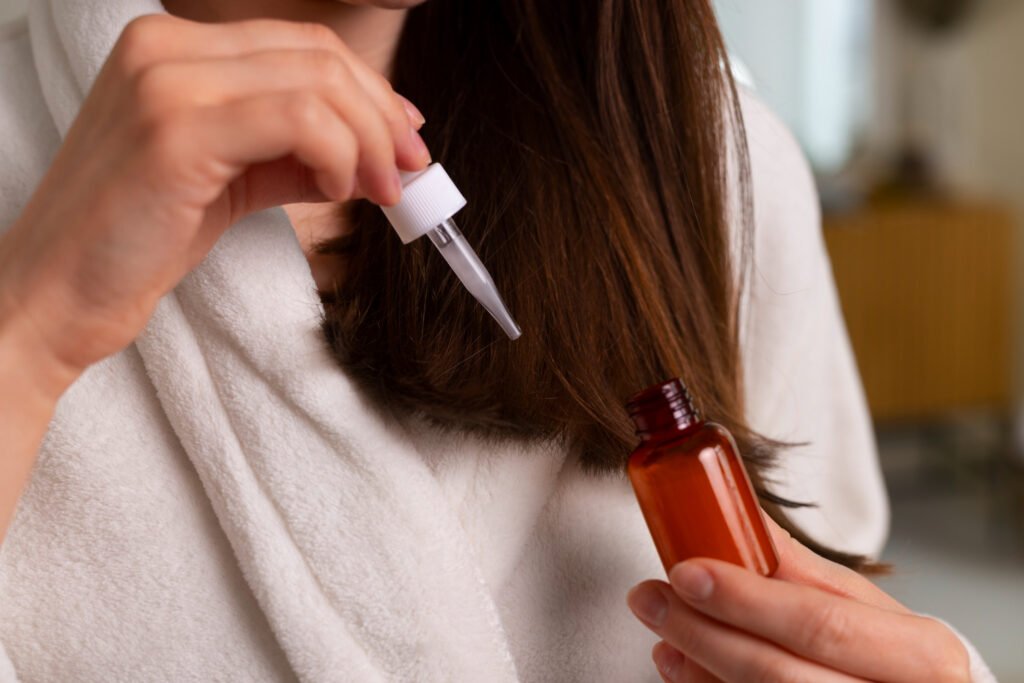
Short Hair: 2–3 drops usually do the trick.
Medium Hair: 4–5 drops should cover everything without overdoing it.
Long or Thick Hair: 6–10 drops, applied in sections, works best.
Pro tip: Always warm the oil slightly before applying. Cold oil feels weird and won’t penetrate as well. Plus, it’s way more relaxing—kind of like a mini scalp spa at home.
Step-by-Step: Applying Hair Oil the Right Way
Alright, here’s where people go wrong. You can’t just pour it on and hope for the best. Follow this actual foolproof method:
1. Prep Your Hair
Brush or detangle your hair gently. This helps oil distribute evenly.
If your scalp is dry, dampen your hair slightly. Dry hair can soak up oil, but damp hair absorbs it better.
2. Warm It Up
Rub a small amount of oil between your palms.
You can even microwave a tiny bowl for 10 seconds—just don’t burn yourself!
3. Massage, Don’t Smother
Start at the scalp and work your way down.
Spend at least 5–10 minutes massaging. This boosts blood circulation and actually helps with hair growth.
Avoid clumping too much at the ends—those strands need lighter coverage.
4. Let It Sit
For light hydration: 30 minutes is enough.
For deep conditioning: Leave it overnight (cover your pillow with a towel, unless you like greasy pillowcases).
5. Wash It Out (or Not)
If your hair is thin, wash thoroughly with a mild shampoo.
For thick or curly hair: You can sometimes skip shampooing and just rinse with water to avoid stripping natural oils.
Common Mistakes (And How to Avoid Them)
Let’s get real. I’ve made almost all of these mistakes at some point.
Using Too Much Oil: Your hair will look weighed down, greasy, and sad.
Skipping the Scalp Massage: Oil won’t penetrate; it’ll just sit on the surface.
Washing Out Immediately: That’s like buying a ticket for a spa but leaving after the lobby. Let it work.
Picking the Wrong Oil for Your Hair Type: Heavy oils on fine hair = disaster.
Applying Oil to Dirty Hair Only: Hair absorbs better when clean. FYI.
How Often Should You Oil Your Hair?
Short answer: it depends.
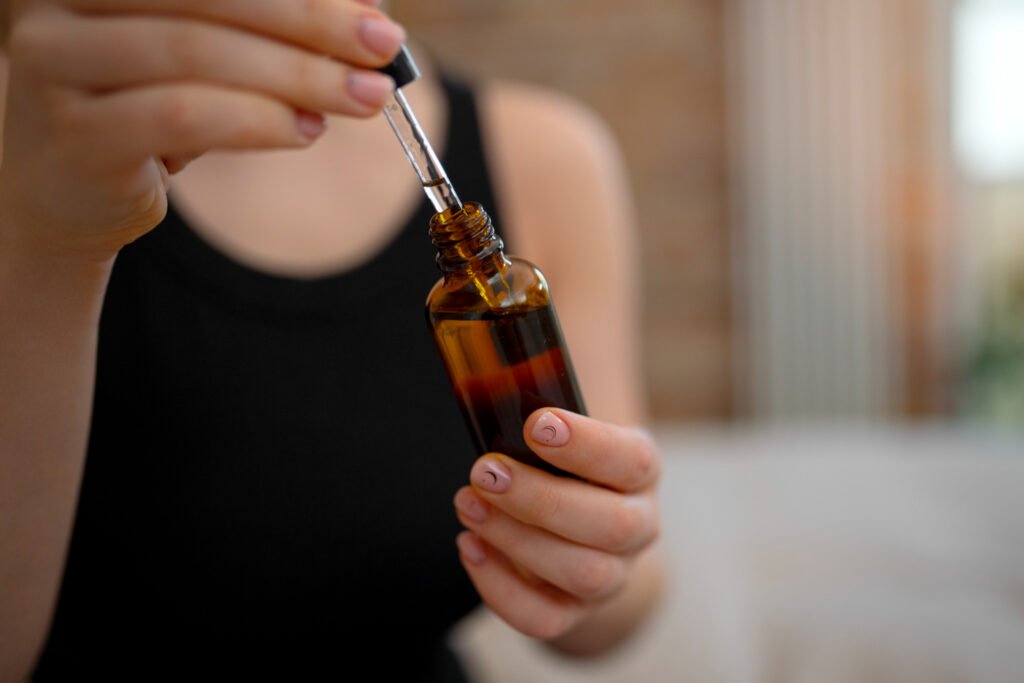
Dry or damaged hair: 2–3 times a week.
Oily hair: Once a week or even every other week.
Curly hair: Twice a week keeps curls hydrated.
IMO, consistency beats frequency. A little regular oiling is better than a giant, weekly oil binge that ends with a shampoo-induced meltdown.
Mixing Oils: Yay or Nay?
Some people swear by mixing oils for extra benefits. Others stick to one pure oil. Here’s my take:
Benefits of Blending
Combine coconut + castor oil for growth and strength.
Mix argan + jojoba for lightweight hydration and shine.
Adding essential oils (like rosemary or peppermint) can stimulate the scalp.
Be Cautious
Don’t mix too many oils—it gets sticky and hard to wash out.
Always test for allergic reactions before going full-on blend mode.
Extra Tips for Maximum Hair Gains
If you want hair that practically shines in selfies, here’s a few nuggets I swear by:
Don’t forget your ends: They’re older, weaker, and need love.
Use a silk pillowcase: Oils last longer and reduce friction.
Drink water and eat well: Hair care is 50% inside, 50% outside.
Be patient: Results take time. Hair doesn’t magically change overnight.
My Personal Hair Oil Routine (Because You Asked)
Alright, confession time. Here’s my weekly ritual:
Sunday night: Warm almond oil in palms, massage scalp and ends.
Leave overnight: Towel on pillow, Netflix on.
Morning: Rinse with lukewarm water, mild shampoo only on scalp.
Results: Smooth, shiny, frizz-free hair that even my cat approves of.
Honestly, it’s more relaxing than a spa day—and way cheaper.
Choosing Between Store-Bought and Homemade Oils
Some swear by DIY, others trust the bottle. Here’s the lowdown:
Store-Bought Oils:
Pros: Convenient, often blended for maximum effect.
Cons: Can contain synthetic additives; pricier.
Homemade Oils:
Pros: Pure, customizable, budget-friendly.
Cons: Takes effort, shorter shelf life.
I do a mix—store-bought for convenience, homemade when I feel extra bougie.
SEO Tip: Why This Matters
FYI, when people search “how to choose and use hair oil,” they’re usually looking for practical, easy-to-follow guidance. That’s exactly what we’ve covered here—from picking the right oil to applying it properly.
Wrapping It Up
So, what’s the TL;DR?
Pick oil according to your hair type.
Use the right amount—not a gallon.
Massage gently, let it sit, and rinse appropriately.
Avoid common mistakes like over-oiling or skipping scalp massage.
Be consistent. A little love each week beats a frantic oil binge.
Remember, hair oiling isn’t magic—but when done right, it’s pretty darn close. Your hair will thank you, your selfies will thank you, and honestly, you might even start enjoying those little pampering sessions.
So grab your favorite bottle, warm it up, and give your scalp some love. Your hair deserves it—and you deserve to feel like a hair goddess while doing it.