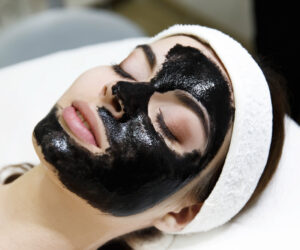
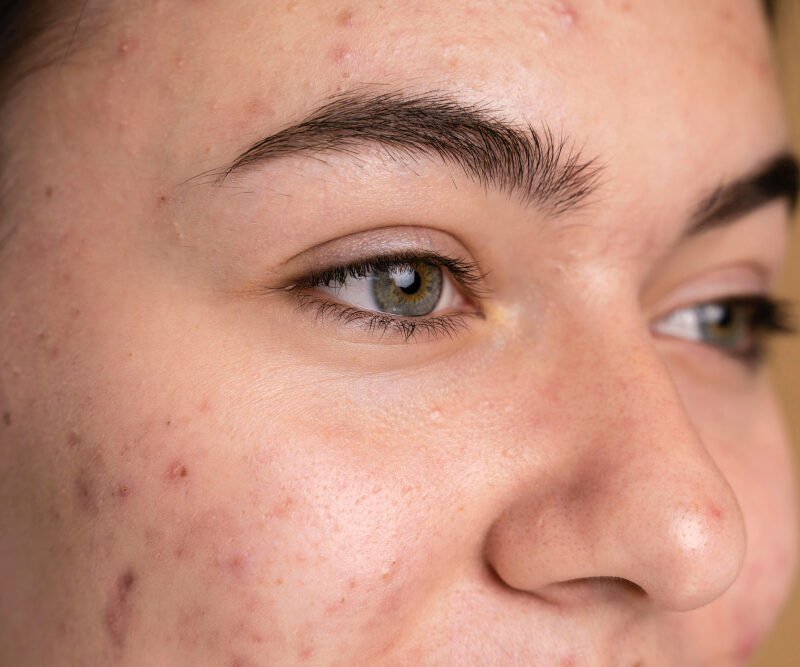
You wake up, look in the mirror, and see tiny uninvited guests on your face. No, not pimples. Worse. Dark spots. They show up like they pay rent. They settle in without asking. They refuse to leave. Sound familiar?
Yeah, I’ve been there too. I call them my beauty birthmarks I never signed up for. I tried random hacks, sketchy products, and one lemon-juice disaster that made my face smell like salad dressing. FYI, citrus + sun = betrayal. 🙂
So let’s skip the chaos and talk real solutions. Ever wondered why dark spots even show up in the first place? Let’s get into it.
What Are These Dark Spots Anyway?
The short answer: Melanin overachievers
Your skin produces melanin to protect itself. Sometimes it gets a little too enthusiastic. It drops pigment like confetti. That’s how dark spots form.
You see them on your cheeks, forehead, upper lip, or chin. They come in different types too. You might hear terms like melasma or sunspots. They all fall under the dark-spot umbrella.
Do you know what’s funny? People call them “age spots” like aging is a crime. I blame the sun, hormones, and questionable skincare decisions.
Common triggers include:
Sun exposure (the #1 culprit, always guilty, never arrested)
Hormonal changes (pregnancy, birth control, stress)
Post-acne marks (pimples leave souvenirs now, apparently)
Genetics (your ancestors decided for you)
Skin irritation (aggressive scrubbing, harsh products)
You can’t fully dodge these triggers. But you can fight back strategically. Ever thought about how your daily habits help or hurt your skin? Let’s talk about that next.
Daily Habits That Make Dark Spots Worse
You accidentally fuel the problem
I know you think you’re innocent. But some habits make dark spots throw a party on your face.
You skip sunscreen because you stay indoors. You think windows block UV rays. Spoiler alert: they don’t. The sun still tags you from outside like a long-distance relationship.
You scrub your skin when you get frustrated. You rub like you’re polishing shoes. That irritation signals your skin to produce more pigment. Your skin keeps receipts, my friend.
You test every DIY remedy you see online. You use toothpaste, baking soda, or straight lemon juice. You basically cosplay as a Pinterest board. IMO, bold move, risky results.
Stop doing these:
Skipping sunscreen
Picking pimples
Over-exfoliating
Using harsh brightening creams
Going in the sun after acid-based treatments
Dark spots don’t need encouragement. They already have confidence. So what actually works safely? Let’s move to the good stuff.
Ingredients That Treat Dark Spots Safely and Effectively
Your new skincare Avengers
You want results without nuking your face. These ingredients help you do exactly that.
1. Vitamin C
I love vitamin C. It brightens, fades pigmentation, and boosts collagen. It works like coffee for your skin. But without the jitters.
You use it in serums or creams. It gradually fades spots when you stay consistent. It doesn’t bleach or irritate when you choose stable formulas.
2. Niacinamide
Niacinamide calms inflammation and evens tone. It fades dark spots without drama. It behaves well with other actives too. Zero attitude.
You find it in serums, moisturizers, and even sunscreens. It also reduces oiliness and redness. It multitasks better than I do on weekdays.
3. Azelaic Acid
Azelaic acid fades dark spots and treats acne. It works gently, even on sensitive skin. Dermatologists love it. I trust their judgment more than TikTok trends.
You apply it once or twice daily. It reduces pigmentation and prevents new marks. It doesn’t make your skin feel like you angered it.
4. Alpha Arbutin
Arbutin reduces melanin production. It fades dark spots safely. It brightens without stripping your dignity or your skin barrier.
You use it in serum form. It works slowly but reliably. Think turtle energy, not hare energy. But the turtle wins here.
5. Tranexamic Acid
Tranexamic acid treats stubborn pigmentation. It works especially well for melasma. It reduces discoloration without irritation or thinning your skin.
You find it in brightening serums. It fades spots when you use it with sunscreen. It’s like the tag-team partner you always needed.
Quick cheat sheet:
Fastest brightening → Vitamin C
Gentlest fade → Niacinamide, Alpha Arbutin
Acne + spots → Azelaic Acid
Melasma warrior → Tranexamic Acid, Tranexamic combos
Sensitive skin-safe → Azelaic Acid, Niacinamide
Do you want to know how to layer these like a pro without irritating your skin? Let’s break it down.
How to Build a Safe and Effective Dark-Spot Routine
You don’t need 12 steps
You start simple. You stay consistent. You treat dark spots safely and effectively without turning your bathroom into a chemistry lab.
Morning Routine
Gentle cleanser
Vitamin C OR niacinamide serum
Moisturizer
Sunscreen (non-negotiable)
You apply sunscreen like your skin depends on it. Because it does. Ever wondered why your dark spots laugh at treatments? Sunscreen is the missing plot armor.
Night Routine
Cleanser
Niacinamide OR Tranexamic Acid OR Alpha Arbutin
Azelaic Acid (if you also treat acne)
Moisturizer
You rotate actives at night. You don’t stack everything daily. You avoid irritation. Irritation makes pigmentation worse. I told you—your skin keeps receipts.
Weekly Add-Ons
Mild chemical exfoliant (AHA like lactic acid) 1–2x a week
Hydrating masks
No sun right after acids
Routine Tips
Patch test everything new
Stop the product if it stings or burns
Use actives for months, not days
Sunscreen every day
Don’t scrub aggressively
You treat your skin gently. You still see results. Dark spots respond to consistency, not violence.
At-Home Treatments That Work (And Don’t Ruin Your Life)
You pick gentle options
You can fade dark spots safely and effectively at home. But you need the right tools and realistic expectations.
Top safe at-home treatments:
Brightening serums with vitamin C, arbutin, or tranexamic acid
Mild AHA exfoliants (lactic acid > glycolic acid for sensitive skin)
LED light therapy (red + blue combo helps acne and inflammation)
Dark-spot creams with azelaic acid or niacinamide
Sunscreen always
DIY options that are actually safe:
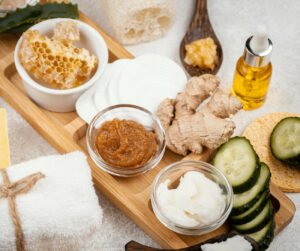
Aloe vera gel (calms irritation and supports healing)
Green tea compresses (anti-inflammatory, gentle)
Licorice extract masks (natural brightening)
Turmeric masks (anti-inflammatory when rinsed well)
DIY fails you must avoid:
Lemon juice (causes photosensitivity, irritation)
Baking soda (disrupts skin pH)
Toothpaste (no, just no)
Hydrogen peroxide (skin betrayal again)
You can make home remedies work when you choose gentle ingredients. But nothing beats a solid serum and sunscreen combo.
Professional Treatments: What’s Worth It?
You don’t always need them, but they help
If dark spots cling like an ex who thinks closure means “come back,” professional treatments speed up fading safely and effectively.
Derm-approved treatments include:
Chemical peels (lactic, mandelic, or salicylic peels)
Laser therapy (for sunspots, PIH, stubborn pigmentation)
Microneedling (stimulates skin repair)
Hydroquinone (short-term, monitored use only)
Prescription combos (retinoids + arbutin + acids)
Pros vs Cons
| Treatment | Pros | Cons |
|---|---|---|
| Chemical Peels | Fast brightening, smooths skin | Mild redness, needs sun avoidance |
| Laser | Targets deep pigment | Pricey, downtime |
| Microneedling | Boosts repair | Needs multiple sessions |
| Hydroquinone | Strong fade | Short-term only |
You choose pros when you want faster results. You still need sunscreen after treatments. The sun stays undefeated without it.
Sunscreen: The Most Important Treatment You Already Own
It prevents new spots
Let’s be real—treating dark spots safely and effectively means you stop new ones first. Sunscreen does that job like a responsible adult.
You pick SPF 30 or 50. You apply daily. You reapply if you go outside. You treat sunscreen like your phone charger. You always need it.
UV exposure makes pigmentation darker. It also triggers new spots. Even minimal daily exposure matters. Yes, even your 5-minute coffee run counts.
Sunscreen rules to live by:
SPF 30–50
Broad spectrum
Daily use
Reapply outdoors
Use enough product
You don’t negotiate with sunscreen. You just apply it. Your skin thanks you later.
How Long Until Dark Spots Actually Fade?
You practice patience
You want results yesterday. Your skin works on its own timeline. But with the right routine, you fade dark spots safely and effectively in:
6–8 weeks → mild PIH or surface spots
3–6 months → stubborn sunspots
6–12 months → melasma improvement
Ever wondered why your friend’s spots fade faster? Skin differences exist. Response times vary. Just stay consistent.
You don’t quit early. You don’t hop products weekly. You give the actives time to work. Your persistence becomes the strategy.
When to See a Doctor ASAP
You look for red flags
Dark spots are usually harmless. But you see a dermatologist when something feels off.
Go to a doctor if:
The spot changes size, color, or shape
The borders look irregular
The spot itches or bleeds
One spot looks very different from the rest
You feel unsure about a mark
You don’t mess with suspicious skin changes. You always choose safety first.
Myths About Dark Spots That Need to Retire
You stop believing these
Some myths survive longer than dark spots themselves. Let’s end them.
“Only older people get spots” → Nope. Teens get PIH too.
“Natural = always safe” → Lemon juice says hello.
“Bleaching creams work faster so they’re better” → Fast ≠ safe.
“You can spot-treat without sunscreen” → You can, but the spots return.
“Dark spots fade in 2 weeks” → In fantasy novels, yes.
You fight misinformation with facts and consistency.
Diet and Lifestyle That Help Your Skin
You support the process
Skincare does most of the heavy lifting. Lifestyle helps the glow stay.
Do these:
Drink water daily
Eat antioxidant-rich foods (berries, greens, nuts)
Sleep 7–8 hours
Manage stress
Avoid smoking
Wear hats in strong sun
You don’t fix dark spots with diet alone. But you boost your results when you support your skin from the inside.
Conclusion: Treat Dark Spots Smart, Not Hard
Look, dark spots are stubborn. But you can fade them safely and effectively when you build a gentle, consistent routine.
You choose ingredients like vitamin C, niacinamide, arbutin, and tranexamic acid. You add azelaic acid if you fight acne too.
You wear sunscreen daily like it’s your full-time job. Because preventing new spots is half the battle.
You stay patient. You stay consistent. You stop the DIY chaos. You avoid harsh bleaching creams.
You remember your skin holds grudges when you irritate it. So you treat it kindly.
And hey—if all else fails, you name your dark spots like I did. You pretend they add character. You smile at them. Then you fade them anyway. 😉
You’ve got this. Now go fight those spots like the skincare enthusiast you are.
Dark Chocolate: The Plot Twist Snack
Cocoa flavanols for circulation
Chocolate (the dark kind, not the sugary imposter) improves circulation.
Better circulation brings nutrients to your skin faster.
Do you want better skin and a reason to eat chocolate? Congrats, you found it.
Improves skin blood flow
Boosts hydration
Reduces inflammation
Protects from UV stress
I love 85% dark chocolate because it tastes like adulthood, regret, and good skin decisions. :/
Ever wondered why it works so well? Flavanols, darling.
Green Tea: The Anti-Inflammation Elixir
Catechins that fight acne
Green tea reduces inflammation and protects skin from UV stress.
It also helps fight acne bacteria.
Do you want calmer, clearer skin without surrendering caffeine? Drink this.
Fights acne bacteria
Reduces redness
Protects from UV damage
Delivers antioxidants
Improves hydration
I brew it hot, iced, or “forgotten on the counter but still drinkable.”
Ever wondered why healthy skin people sip tea constantly? This is why.
Hydrating Foods: Because Skin = 70% Water, Not Drama
Cucumbers, watermelon, celery
Hydration keeps skin plump, soft, and less prone to irritation.
These foods deliver water, electrolytes, and vitamins.
Do you want less dryness and fewer breakouts? Hydration is the unsung hero.
Plumps skin cells
Flushes toxins
Improves elasticity
Reduces irritation
Supports barrier health
I love watermelon because it hydrates me emotionally and physically.
Ever wondered why this works? Water content + micronutrients.
Foods That Sabotage Your Skin (Let’s Be Honest)
You avoid these if you want your skin to behave:
Sugar bombs (inflammation central)
Ultra-processed foods (nutrient ghost towns)
Too much dairy (breakouts for some people)
Fried foods (oil overload + inflammation)
Alcohol (dehydrates skin fast)
Do you want glowing skin or a third margarita? Choose wisely, my friend.
A Simple Daily Plan to Eat for Healthy Skin
Morning
Start your day with:
Citrus fruit or berries
Green tea or lemon water
Eggs or chia pudding
Do you want a morning glow? This combo delivers it without negotiations.
Lunch
Add:
Leafy greens
Tomatoes
Salmon or seeds
Avocado
Do you want a midday skin boost? This lineup works harder than your Wi-Fi.
Dinner
Try:
Sweet potatoes
Fatty fish or bone broth
Veggies like celery and cucumber
Do you want overnight skin repair? Dinner fuels that shift.
Snacks
Go for:
Berries
Walnuts or almonds
Dark chocolate
Do you want snacks that glow back? These deliver.
How Fast Will You See Results?
You usually see subtle changes in 2–3 weeks.
You see clearer texture, better hydration, and less redness first.
You see glow and fewer breakouts next.
Do you want instant results? Eat today and keep going. That’s the deal.
Bonus Tips to Make These Foods Work Even Better
Pair vitamin C foods with iron-rich foods to help absorption.
Eat healthy fats with veggies so your body absorbs vitamins.
Drink enough water because your skin literally needs it.
Sleep because your body repairs skin at night.
Manage stress because cortisol loves ruining your complexion.
Do you want your food to work like magic? Add these habits.
Conclusion
You just read The Best Natural Foods for Healthy Skin You Can Start Eating Today, and now you know the glow comes from groceries, not miracles.
You help your skin most when you eat berries, citrus, leafy greens, omega-3 fish, seeds, avocados, tomatoes, eggs, and dark chocolate.
Do you want healthy, hydrated, firm, radiant skin? Start eating these today and keep the momentum.
I love this approach because it works, tastes good, and gives me fewer existential skincare breakdowns.
Your skin wants nutrients, hydration, and less inflammation.
Feed it like you care. Because you do. Right?
Now go make a snack that fights fine lines and tastes elite.