Let me guess—you’ve heard a million times that coconut oil is basically a miracle for hair. But every time you try it, your hair either turns into a greasy mess or…well, nothing happens at all. Sound familiar? Don’t worry, I’ve been there, and today I’m going to share the real deal on how to use coconut oil for healthy hair—the tips, tricks, and mistakes to avoid. By the end of this, you’ll be ready to transform your locks without the frustration.
I personally started using coconut oil a few years back, skeptical but desperate. My hair was dry, frizzy, and basically screaming for help. After a few months of experimenting, I finally figured out how to make coconut oil actually work—and yes, it’s way simpler than it sounds. So, grab your jar of coconut oil, and let’s chat about how to make your hair shiny, strong, and happy.
Why Coconut Oil Is a Hair Hero
Before we jump into the how, let’s talk about the why. Why should you even bother using coconut oil?
Coconut oil isn’t just some random kitchen staple. It’s packed with lauric acid, vitamins, and fatty acids that penetrate the hair shaft and nourish it from the inside out. Unlike some products that just sit on the surface, coconut oil actually strengthens your hair and prevents protein loss—which is a fancy way of saying it helps keep your hair strong and less prone to breakage.
Key Benefits
Deep conditioning: Makes hair soft and smooth.
Frizz control: Tames those annoying flyaways.
Prevents breakage: Strengthens strands from root to tip.
Scalp health: Can reduce dandruff and dryness.
Ever wondered why models always seem to have that glossy, “just-walked-off-the-runway” look? Chances are, coconut oil or something similar is involved.

Choosing the Right Coconut Oil
Okay, let’s be real. Not all coconut oils are created equal. Some are basically scented wax masquerading as hair magic.
Virgin vs. Refined
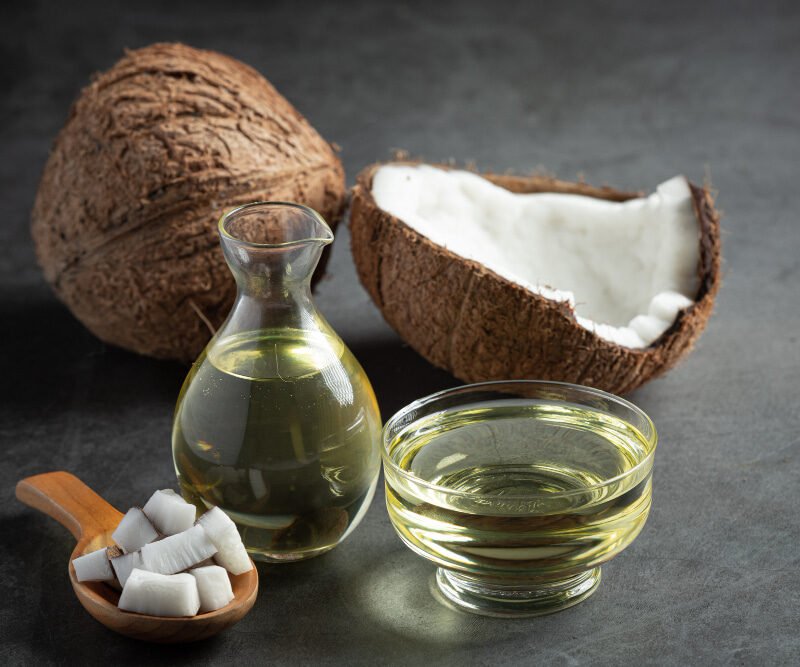
Virgin coconut oil: Cold-pressed, unrefined, retains nutrients. This is your go-to for hair.
Refined coconut oil: Usually processed, may contain chemicals, less nutrient-rich. Not terrible, but if you want the full benefits, stick with virgin.
Tip: If it smells like a coconut paradise, it’s probably good. If it smells like plastic…maybe pass.
Solid or Liquid
Coconut oil solidifies below 76°F (24°C). Don’t freak out—just scoop a little, warm it in your hands, and it melts into the perfect oil for your hair.
How to Apply Coconut Oil to Hair
Alright, this is where things get fun. There’s no magic potion, but the method matters.
Step 1: Start Small
Less is more, seriously. A nickel-sized amount for short hair or a tablespoon for long hair is usually plenty. Too much, and you’ll end up looking like you dipped your head in a fry vat.
Step 2: Warm It Up
Rub it between your hands or warm it slightly. Warm coconut oil penetrates hair better and makes it easier to spread.
Step 3: Focus on Ends
Your hair ends are basically the neglected middle children of your hair. They need love. Start there, then work your way up, but avoid the scalp if your hair is naturally oily.
Step 4: Massage Your Scalp (Optional but Recommended)
Boosts blood circulation.
Can reduce dryness and dandruff.
Makes you feel like you’re at a spa.
FYI, scalp massage plus coconut oil? Instant mood booster.
Step 5: Let It Sit
Quick fix: 30 minutes.
Deep treatment: Overnight (use a silk scarf or towel to avoid oil stains).
The longer it sits, the better your hair absorbs the nutrients. But don’t leave it forever—your hair will hate you for it.
Coconut Oil Treatments for Different Hair Types
Not all hair is created equal, so your approach should vary.
For Dry, Brittle Hair
Apply generously from mid-length to ends.
Leave it on for a few hours or overnight.
Shampoo thoroughly (maybe twice) to avoid residue.
For Oily Hair
Focus only on mid-length to ends.
Skip the scalp, unless you’re dealing with dryness.
Rinse well with lukewarm water to avoid greasy roots.
For Curly Hair
Use a small amount on damp hair.
Scrunch your curls to lock in moisture.
Works as a leave-in conditioner too, just don’t go overboard.
DIY Coconut Oil Hair Masks
If you’re feeling fancy, you can mix coconut oil with other goodies to supercharge your hair care.
1. Coconut Oil + Honey
Mix 2 tbsp coconut oil + 1 tbsp honey.
Honey locks in moisture; coconut oil strengthens.
Perfect for dry and frizzy hair.
2. Coconut Oil + Avocado
Mash half an avocado with 2 tbsp coconut oil.
Avocado = vitamin E boost.
Great for damaged or chemically treated hair.
3. Coconut Oil + Egg
Beat 1 egg with 2 tbsp coconut oil.
Protein-packed treatment for weak hair.
Don’t skip the rinse with cold water or you’ll end up with…cooked egg hair. Trust me, I learned the hard way.
Mistakes to Avoid
Let’s get real for a sec. Coconut oil is amazing, but if you mess it up, it can backfire.
Overdoing it: Your hair can only handle so much oil. Less is more.
Skipping shampoo: Leaving it in without washing can attract dirt and make hair look greasy.
Wrong type of oil: Refined coconut oil isn’t terrible, but it’s not as potent.
Applying to the scalp when oily: You’ll feel like you stuck your head in a salad dressing bottle.
How Often Should You Use Coconut Oil?
This depends on your hair type:
Dry or damaged: 2–3 times per week.
Normal hair: Once a week.
Oily hair: Every 10–14 days, max.
Consistency beats overkill. Think of it like a gym routine—show up regularly, don’t overtrain.
Additional Tips for Maximum Results
Here are some pro-level tips I’ve picked up after experimenting for months:
Warm water rinse: After shampooing, rinse with lukewarm water to seal cuticles.
Silk pillowcase: Helps prevent frizz and keeps your hair smooth.
Pat dry: Avoid vigorous towel rubbing; it’s like sandpaper for your hair.
Combine with heat styling sparingly: Coconut oil protects hair from mild heat, but overdoing it can still cause damage.
Coconut Oil vs. Other Oils
You might be wondering: why not argan oil, jojoba, or olive oil? Here’s my take:
| Oil | Best For | My Experience |
|---|---|---|
| Coconut | Strength, frizz, deep conditioning | Excellent for protein loss and shine. Must use in moderation. |
| Argan | Smoothness, shine | Great as a finishing oil, lighter than coconut. |
| Jojoba | Scalp health, mild conditioning | Nice for oily scalp; not as nourishing for ends. |
| Olive | Deep moisture | Heavy, can weigh hair down if overused. |
IMO, coconut oil is the jack-of-all-trades, but sometimes combining oils gives next-level results.
Final Thoughts
So, there you have it—the lowdown on how to use coconut oil for healthy hair without looking like a greasy mess. The key takeaways?
Use virgin coconut oil. Seriously, your hair deserves it.
Start small. Less is more.
Focus on ends first, scalp later. Avoid greasy roots.
Experiment with masks. Honey, avocado, egg—your hair will thank you.
Consistency beats overkill. Patience is key.
Coconut oil isn’t magic, but when used correctly, it can transform your hair from dry and lifeless to soft, shiny, and strong. I still use it weekly, and honestly, my hair has never looked happier. Plus, there’s something oddly satisfying about massaging oil into your scalp—like giving yourself a mini spa day.
So, what are you waiting for? Grab that jar of coconut oil and treat your hair right. Your future self—and future selfies—will thank you. And remember, a little coconut oil goes a long way…unlike some of the other “miracle” hair hacks out there.