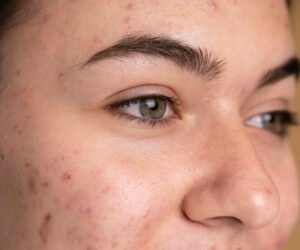
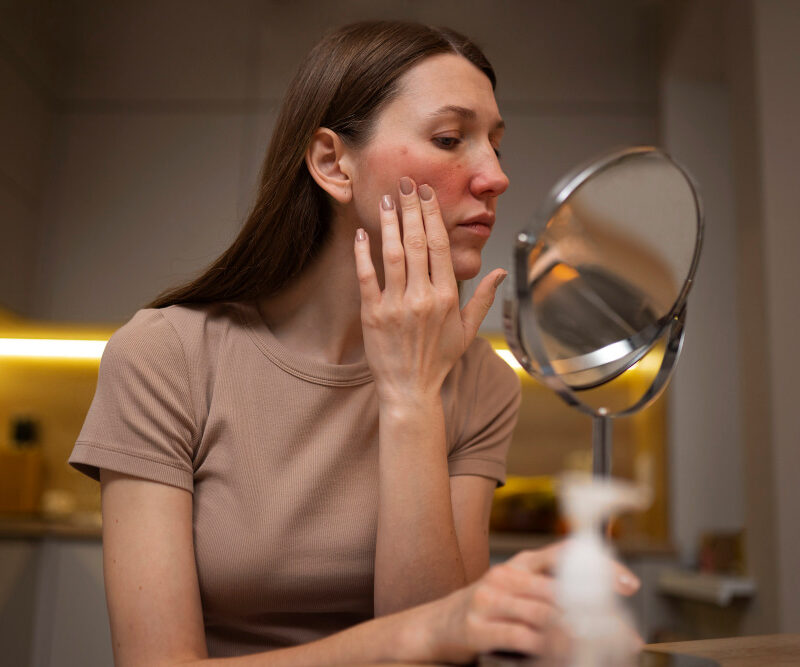
Ever looked in the mirror after a long day and thought, “Wow… my face looks like a tomato on fire”? Yeah, me too. Redness can be stubborn, annoying, and honestly, a little confidence-shattering. But here’s the good news: you don’t need a cabinet full of fancy creams or spend a fortune on skincare gimmicks to calm your skin down. Some of the best remedies are simple, natural, and—bonus—they probably already exist in your kitchen or garden.
I’ve battled the fiery-red cheeks, irritated patches, and occasional “why won’t you chill out?!” moments with my skin, and after some trial and error, I’ve found a few remedies that genuinely work. Today, I’m sharing 5 remedies to reduce redness and soothe skin naturally, complete with the lowdown on why they work and how to use them. Let’s jump in.
1. Aloe Vera: The Classic Soother
Why Aloe Vera Works
If you haven’t tried aloe vera, what are you even doing with your life? Seriously, this plant is basically the Swiss Army knife of skincare. It’s loaded with anti-inflammatory properties, antioxidants, and vitamins A, C, and E, which calm irritation and promote healing. Aloe also helps hydrate your skin without feeling greasy, which is perfect if redness is paired with dryness.
How to Use It
Fresh is best: Slice open a leaf and scoop out the gel. Apply directly to the red areas.
Store-bought gels: Go for ones with at least 95% aloe vera and no alcohol (alcohol will just make your skin angrier).
Leave it on: 15–20 minutes should do the trick, then rinse with lukewarm water.
Personal Tip
I sometimes keep aloe gel in the fridge. The chilled gel feels like heaven on inflamed skin. Instant relief, like a mini spa day for your face.
2. Oatmeal: Not Just for Breakfast
Why Oatmeal Helps
Yep, oatmeal isn’t just a breakfast food. Colloidal oatmeal has been used for centuries to calm red, itchy, and inflamed skin. It works by forming a protective barrier on your skin, locking in moisture, and reducing irritation. It’s especially great if your redness comes from eczema, sunburn, or sensitivity.
How to Make an Oatmeal Mask
Grind plain oats into a fine powder.
Mix with water, yogurt, or honey to make a paste.
Apply gently on the red areas for 10–15 minutes.
Rinse with lukewarm water.
Extra Pro Tip
I once used this after a sunburned beach day (FYI, my sunblock game was weak). The oatmeal mask actually stopped my cheeks from turning into a full-on tomato disaster. True story.
3. Green Tea: Calm in a Cup (for Your Skin)
How Green Tea Works Wonders
We all know green tea is healthy for our insides, but did you know it’s amazing for your skin too? Green tea is rich in antioxidants, particularly EGCG, which fights inflammation and soothes irritation. Its natural tannins can also help reduce redness over time.
Ways to Use Green Tea on Skin
Green tea compress: Steep a bag in hot water, let it cool, and place it on the affected areas for 10 minutes.
DIY toner: Brew some tea, let it chill, then use a cotton pad to apply on your skin.
Mix with honey: Combine cooled green tea with a teaspoon of honey for a calming mask.
My Experience
I’m a bit of a skeptic with “miracle cures,” but using a green tea compress on my flushed cheeks genuinely calmed the redness within minutes. It’s subtle, but trust me, it works.
4. Cucumber: The Chill Factor
Why Cucumber is Your Skin’s Best Friend
Cucumber slices aren’t just Instagram aesthetics. They contain vitamins C and K, antioxidants, and a high water content that hydrates and cools the skin, reducing inflammation and redness. Basically, cucumbers are like a mini vacation for your face.
How to Use Cucumber
Slice thin pieces and place them on affected areas for 10–15 minutes.
For a mask, blend cucumber and apply the juice to your skin.
Optional: Chill the slices in the fridge for an extra cooling effect.
Pro Tip
Sometimes I throw cucumber slices in the freezer for a few minutes. Frozen cucumber on your face = instant relief, but don’t leave it too long or you’ll risk a “face popsicle” situation.
5. Honey: Sweet Relief
Why Honey Works
Honey is like the universal fixer-upper in natural skincare. It’s antibacterial, anti-inflammatory, and full of antioxidants. Raw honey helps soothe irritated skin, speed up healing, and lock in moisture without clogging pores.
How to Use Honey for Redness
Spot treatment: Dab a thin layer of raw honey on irritated spots and leave for 10–20 minutes.
Mask: Mix honey with yogurt or oatmeal for a calming mask.
Consistency is key: Use a few times a week for best results.
Real Talk
I once had a random breakout that made my cheeks resemble a sunset. A honey mask literally calmed things down overnight. Not kidding—by morning, my face looked almost normal. Honestly, honey is underrated.
Bonus Tips to Prevent Redness
Okay, so the remedies above are amazing, but let’s be real: prevention is way easier than repair. Here are some quick tips to keep redness at bay:
Gentle cleanser: Skip harsh soaps. They strip your skin of natural oils, making it more reactive.
Moisturize daily: Hydrated skin = calmer skin. Look for ingredients like squalane, glycerin, or ceramides.
Sun protection: SPF isn’t optional. Sun exposure can worsen redness and irritation.
Avoid extreme temperatures: Hot showers and freezing wind can trigger flare-ups.
Watch your diet: Spicy foods, alcohol, and caffeine can sometimes exacerbate redness. (Yes, sad but true.)
When to Seek Professional Help
Sometimes redness isn’t just “sensitive skin.” If you notice:
Persistent redness that doesn’t improve with natural remedies
Pain, swelling, or oozing
Redness accompanied by other symptoms like fever or rash
…it’s time to see a dermatologist. FYI, I know it’s tempting to Google your symptoms and panic, but a professional will save you hours of stress and potential skin damage.
Final Thoughts
Reducing redness and soothing your skin naturally doesn’t have to be complicated. From aloe vera and oatmeal to green tea, cucumber, and honey, there are plenty of remedies that are effective, easy, and budget-friendly.
Personally, I like to mix and match based on my skin’s mood. Sometimes it’s a cucumber day, sometimes it’s a honey spa session. The key is to listen to your skin and be consistent. Redness may flare up from time to time, but with these natural remedies, your skin can calm down and look healthy without feeling like you need a chemical arsenal.
So next time your face feels like it’s auditioning for a stoplight, remember: you’ve got nature’s soothing squad ready to rescue your cheeks. Your skin—and your selfie game—will thank you.