
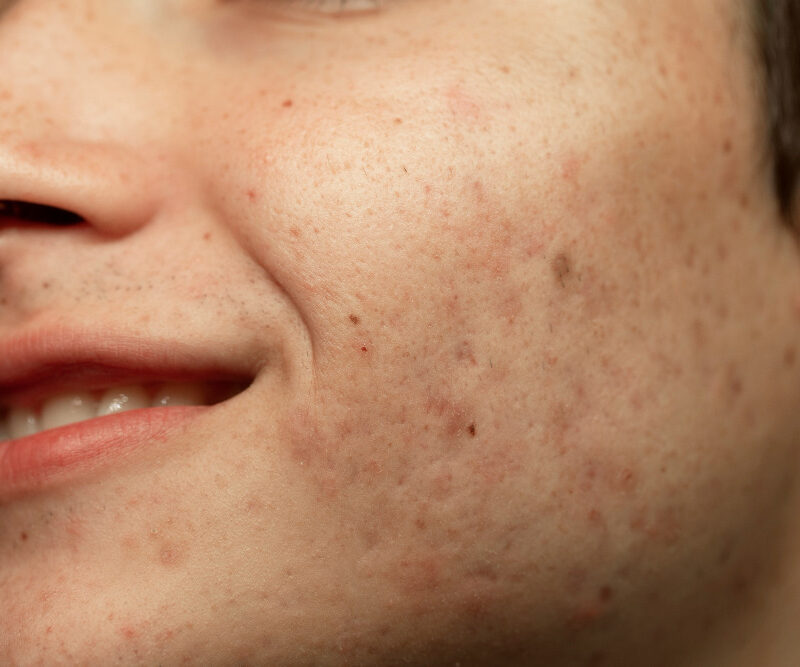
Hey, friend! So, you’ve been staring in the mirror lately, squinting at those little spots and wondering, “Hmm… is this normal, or am I developing hyperpigmentation?” Trust me, I’ve been there. One day, your skin looks flawless, and the next, you’ve got a constellation of dark patches that seem to have a mind of their own.
Hyperpigmentation isn’t just cosmetic—it’s your skin trying to tell you something. But don’t panic! In this article, we’ll break down 13 signs that you have hyperpigmentation in a way that’s super easy to understand. No confusing dermatologist jargon, no boring lectures—just a friendly, real talk guide.
1. Dark Spots That Don’t Fade
Ever notice a spot on your cheek that just won’t quit? Persistent dark spots are a classic sign of hyperpigmentation. Unlike a temporary mark from a pimple, these spots stick around for weeks, sometimes even months.
FYI: Hyperpigmentation happens when your skin overproduces melanin in certain areas. Basically, it’s your body going, “Okay, let’s make this part darker, why not?”
If you have dark spots that don’t lighten over time, that’s a major hint.
2. Uneven Skin Tone
You know when you look in the mirror and think, “Why does one side of my face look like it’s on a different timezone?” Yep, that’s uneven skin tone talking.
Signs to watch for:
Patches of skin that are noticeably darker than surrounding areas
Areas that look blotchy or mottled
Sun-exposed zones like your forehead or nose that seem “spotty”
Uneven skin tone is often subtle at first, but it becomes hard to ignore if left untreated.
3. Sun Spots (Solar Lentigines)
Okay, these are fun to say, but not fun to have. Sun spots pop up from years of UV exposure, and they usually show up on your face, hands, and shoulders.
Quick checklist:
Small, brownish spots
Appear mostly on sun-exposed skin
Increase in number with age
Basically, your skin is shouting, “Yes, you enjoyed the sun without sunscreen, and yes, I remember!”
4. Post-Inflammatory Hyperpigmentation
Ever had a pimple that left a reddish-brown mark long after it healed? That’s called post-inflammatory hyperpigmentation (PIH).
Unlike acne scars that change the skin’s texture, PIH is purely color-related. It happens because your skin overreacts to inflammation and deposits extra melanin.
Pro tip: Avoid picking at spots, or you’ll probably see a new dark patch pop up where the pimple used to be. Trust me, your skin will hate you later.
5. Freckles That Suddenly Get Darker
Freckles are cute… until they start acting up. If you notice your freckles becoming darker or multiplying, it could be a sign of hyperpigmentation.
Unlike sun-kissed freckles that lighten in winter, hyperpigmented freckles remain visible year-round. If your freckles suddenly went from “adorable sprinkle” to “full-on constellation,” your melanin levels are probably throwing a party.
6. Age Spots
Also known as liver spots (don’t worry, it has nothing to do with your liver), these show up as you age—usually after 40.
Here’s what to look for:
Flat, oval, brown or black spots
Appear on hands, face, shoulders, or arms
Grow gradually and multiply over time
Yes, they scream “I’ve lived a little,” but sometimes you want to keep them under control for cosmetic reasons.
7. Hyperpigmentation Around the Mouth or Eyes
Ever notice darker skin forming around your lips or eyes? That could be melasma, a type of hyperpigmentation.
Melasma often appears as patchy brown or gray-brown spots. It’s triggered by hormones, sun exposure, or even stress (because apparently, skin wants in on the stress party too).
Fun fact: Melasma is more common in women, especially during pregnancy or while taking hormonal birth control.
8. Dark Knees and Elbows
Not every hyperpigmentation case hits your face. Some sneak into random places like knees, elbows, and even knuckles.
Why this happens:
Thick skin in these areas naturally produces more melanin
Constant friction (hello, yoga mats and denim) darkens the skin
Lack of exfoliation or moisturization makes it worse
So, if your knees look like they’re auditioning for a “before” photo in a skincare ad, now you know why.
9. Uneven Neck or Chest
Neck and chest hyperpigmentation is sneaky. You might think your sunscreen is working, but these areas can still develop dark patches from sun exposure.
Check for:
Blotchy, darker skin compared to your face
Brownish lines or spots
Gradual darkening over time
Honestly, I used to ignore my chest. Big mistake. SPF is a full-body commitment, my friend.
10. Scars Leaving Permanent Marks
Some scars fade naturally, but if you notice dark marks that stick around, you’re looking at hyperpigmentation in action.
Examples:
Acne scars
Minor cuts or burns
Bug bites
Basically, anytime your skin “heals” but leaves behind a color change, that’s post-inflammatory hyperpigmentation doing its thing.
11. Rashes That Darken After Healing
Ever had a rash that looked red at first but turned darker over time? Yep, hyperpigmentation loves to make a cameo after inflammation.
Typical scenarios:
Eczema
Allergic reactions
Skin irritation from products
So if you notice darker patches where your skin used to freak out, you’re officially in hyperpigmentation territory.
12. Redness That Turns Brown
Some people confuse redness with acne or irritation, but if it gradually shifts to a brownish hue, that’s hyperpigmentation creeping in.
Why it happens:
Skin produces extra melanin to “protect” itself
Areas affected by chronic irritation are more prone
Sun exposure accelerates the color change
So, that stubborn blush on your cheeks isn’t just your natural glow—it might be your melanin making a cameo.
13. Patchy Skin on Hands or Feet
Hands and feet often get ignored in skincare routines. But hyperpigmentation can show up here too, usually as dark, patchy areas.
Look for:
Uneven color on knuckles or tops of hands
Darkened toes or soles
Dry, thickened skin that emphasizes color changes
Hands are basically your body’s calling card, so taking care of them is a must.
Final Thoughts
So, there you have it—13 signs that you have hyperpigmentation. Dark spots, uneven tones, melasma, sun spots, age spots… basically, your skin’s way of leaving little reminders that it’s been through some stuff.
Here’s the takeaway: noticing hyperpigmentation early makes treatment way easier. Options include:
Topical treatments like vitamin C, niacinamide, or retinoids
Sunscreen, every single day (yes, even indoors sometimes)
Professional treatments like chemical peels or laser therapy
Remember, your skin is resilient. Hyperpigmentation is common, and honestly, a lot of us are dealing with it at some level. The key is recognition, protection, and consistency.
So next time you glance in the mirror, don’t stress too hard about those dark patches. Instead, consider them a guide, a hint, a little nudge to take better care of your skin. And if anyone asks, just tell them your skin has “character.”