
Ever feel like your hair flat-out ignores your products? You slather on conditioner, wait patiently, rinse… and somehow your hair still feels dry. Yeah, I’ve been there, staring at my curls like, “We just talked about this.” If that sounds familiar, you might deal with low porosity hair, and trust me, once you crack the code, everything gets way easier.
I’ve spent years figuring out why my hair rejected moisture like it came with bad vibes. Along the way, I learned what low porosity hair actually means and how to care for it without losing my mind. Let’s chat about it, friend to friend.
What Is Low Porosity Hair, Really?
Low porosity hair means your hair cuticles sit tightly packed together. They lie so flat that water and products struggle to get inside. Your hair doesn’t lack moisture because it hates you; it just guards itself like a bouncer at an exclusive club.
People often confuse dryness with damage, but low porosity hair doesn’t automatically mean unhealthy hair. It simply behaves differently. Once you understand that, you stop fighting it and start working with it. Ever notice how your hair takes forever to get wet in the shower? That’s low porosity saying hello.
How Low Porosity Hair Acts Day to Day
Low porosity hair shows a few telltale habits that make life interesting. You might recognize these instantly.
Water beads up on your strands instead of soaking in
Products sit on top of your hair and feel greasy
Hair takes ages to dry, even with thin strands
Protein-heavy products leave hair stiff or straw-like
IMO, the slow drying time always gives it away. If your hair still feels damp while everyone else already styles theirs, welcome to the club.
How to Tell If You Have Low Porosity Hair
You don’t need lab equipment or a crystal ball to figure this out. A few simple observations usually do the trick.
The Slip ’n Slide Product Test
Apply a leave-in conditioner and rub a strand between your fingers. If the product just chills on the surface and refuses to sink in, that points to low porosity. Your hair basically says, “No thanks, I’m good.”
The Water Test (With a Grain of Salt)
Drop a clean strand of hair into a bowl of water. Low porosity hair often floats for a while because air stays trapped in the cuticle. This test isn’t perfect, but it gives clues. FYI, product buildup can mess with results, so don’t treat this like a science exam.
Why Low Porosity Hair Needs Special Care
Low porosity hair demands a different approach because moisture struggles to enter the strand. Once moisture gets in, it actually stays put pretty well. That’s the silver lining, and yes, I cling to it.
When you pile on heavy creams and oils, you block moisture even more. I learned that lesson the hard way after using thick butters and wondering why my hair felt waxy. Less weight and more strategy win every time.
How to Care for Low Porosity Hair Without the Drama
Let’s get into the good stuff. These tips changed my routine completely, and I swear by them.
Use Heat to Help Moisture Get In
Heat opens the cuticle slightly and lets moisture slide inside. You don’t need a blowtorch, just a little warmth.
Smart Ways to Use Heat
Deep condition with a warm towel or heat cap
Apply conditioner in a steamy shower
Use warm (not hot) water when washing
I noticed a huge difference once I stopped rinsing with ice-cold water all the time. Warmth helps your products actually work, so why fight it?
Choose Lightweight, Water-Based Products
Heavy products sit on low porosity hair like an unwanted guest. You want formulas that feel light and absorb easily.
Ingredients That Usually Work Well
Aloe vera
Glycerin
Honey
Panthenol
These ingredients attract moisture and feel less greasy. I check ingredient lists now like a detective because my hair absolutely notices the difference.
Clarify Regularly (Yes, Really)
Product buildup hits low porosity hair hard. When products can’t penetrate, they stack up and block moisture completely. Clarifying sounds scary, but it actually helps.
How Often Should You Clarify?
Most people with low porosity hair clarify every 3–4 weeks. Listen to your hair, though. When curls lose bounce or products stop working, that’s your cue.
A good clarifying shampoo resets everything, and your hair often feels softer right after. Weird but true.
Be Careful With Protein
Low porosity hair already has a tight cuticle, so protein can overload it fast. Too much protein makes hair feel brittle and rough.
Signs You Overdid Protein
Hair feels stiff even when wet
Strands snap instead of stretching
Moisturizers stop helping
I avoid heavy protein treatments unless my hair clearly asks for them. When in doubt, I choose moisture over strength every single time.
The Best Wash Day Routine for Low Porosity Hair
Wash day doesn’t need to feel like a full-time job. A simple routine keeps low porosity hair happy and cooperative.
Step-by-Step Routine
Cleanse with a gentle or clarifying shampoo
Apply conditioner and add heat or steam
Detangle gently while conditioner sits
Rinse with warm water
Apply a lightweight leave-in
Seal lightly, if needed, with a thin oil
Consistency matters more than product hopping. I stuck to one routine for a month, and my hair finally relaxed—literally.
Styling Tips That Actually Work
Styling low porosity hair feels tricky until you nail the balance. You want definition without buildup and moisture without grease.
What Helps With Styling
Apply products on soaking wet hair
Layer products from lightest to heaviest
Scrunch gently to encourage absorption
I stopped styling on damp hair and saw instant improvement. Wet hair opens the cuticle just enough to let products in, which feels like cheating but totally isn’t.
Oils and Butters: Friend or Foe?
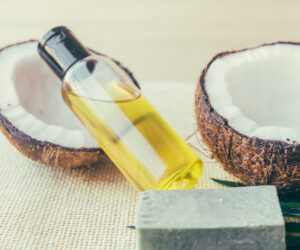
Oils and butters don’t moisturize; they seal. On low porosity hair, they can seal out moisture if used incorrectly.
Oils That Tend to Behave Better
Argan oil
Grapeseed oil
Jojoba oil
I use oils sparingly and only after water-based products. When I skip water and go straight to oil, my hair throws a silent tantrum.
Common Mistakes People Make With Low Porosity Hair
We all mess up while learning, so don’t beat yourself up. I made every mistake on this list at least once.
Using heavy creams daily
Skipping clarifying washes
Overloading protein treatments
Applying products to dry hair
Low porosity hair thrives on intention, not excess. When you simplify, your hair usually rewards you.
How Weather Affects Low Porosity Hair
Humidity and cold weather can mess with low porosity hair differently. Your routine might need small seasonal tweaks.
Summer vs. Winter Care
In summer, hair often absorbs moisture more easily due to heat. In winter, dry air makes penetration harder. I rely more on steam and warm conditioning in colder months. Do you adjust your routine seasonally, or does your hair force you to?
Low Porosity Hair Myths You Should Ignore
The internet loves myths, and low porosity hair attracts plenty of them. Let’s clear a few up.
Low porosity hair doesn’t equal thin hair
Oils don’t moisturize hair
You don’t need expensive products to succeed
Technique beats price tags every time. Once I stopped chasing hype, my hair finally chilled out.
Embracing Your Low Porosity Hair Journey
Low porosity hair teaches patience. You learn to listen, adjust, and simplify. That sounds deep for a hair article, but it’s true.
When I stopped forcing moisture and started inviting it in, my hair responded fast. Have you noticed how hair behaves better when you stop arguing with it?
Final Thoughts: You’ve Got This
Low porosity hair might act stubborn, but it isn’t impossible. Understand your cuticle, use lightweight products, add gentle heat, and clarify regularly. Those steps change everything.
If your hair ignores products now, don’t stress. With the right care, low porosity hair can feel soft, hydrated, and cooperative. And honestly, watching it finally absorb conditioner feels like winning a tiny personal trophy—no sarcasm needed.