
This post contains affiliate links. If you click a link and make a purchase, I may earn a small commission at no extra cost to you. I only recommend products I genuinely believe in. Thank you for supporting Amoria Style!
Brunette hair has a reputation problem. Not a bad one — just a boring one. People assume brown hair is the safe choice, the default, the thing you do when you’re not ready to commit to something more interesting. What they’re missing is that brunette done well is one of the most sophisticated things you can do with your hair. The difference between generic brown and a genuinely beautiful brunette isn’t the color — it’s the depth, the tone, the way light moves through it.
2026 has been a particularly good year for brunette shades. The trend toward richer, more dimensional color has pushed brunette into territory that looks genuinely expensive without requiring the upkeep of a lighter or more dramatic color. These are 16 of the best directions brunette hair is going this year — what each one actually looks like, who it suits, and what you need to ask your stylist to get it right.
Understanding Brunette Undertones First
Before getting into specific shades, it’s worth understanding the difference between warm and cool brunette — because this single variable changes everything about how a shade sits against your skin.
Warm brunette has red, gold, or copper undertones. It looks richer and more vibrant in natural light, suits warm and olive skin tones particularly well, and tends to have more visible dimension without much effort.
Cool brunette has ash, grey, or smoky undertones. It looks more muted and modern, suits cool and pink-toned skin, and reads as more editorial and polished than its warm counterpart.
Neutral brunette sits in the middle — no obvious warmth or coolness. It’s the most universally flattering category and the one most people are aiming for when they say they want “natural-looking” color.
When you’re talking to your stylist, the most useful thing you can say is which direction you want to go — warm, cool, or neutral — before getting into specific shade names. The name matters less than the undertone.
The Dark Brunettes — Deep, Rich, Low Maintenance
These are the shades that sit at the darker end of the brunette spectrum. They require the least maintenance, look the most polished with minimal effort, and suit people who want their hair to look expensive without spending a lot of time on it.
Rich Espresso Brunette
The deepest shade on this list without crossing into black. Espresso brunette sits right at the border — dark enough to have serious depth and density, light enough to still read as brown in certain lighting. The key characteristic is the shine: espresso done well has a glossy, healthy finish that makes hair look genuinely well-conditioned even when it isn’t.
It suits all skin tones, which is rare for a very dark shade. The depth works on fair skin because it creates contrast, and it enhances the richness of deeper skin tones naturally.
Ask your stylist for: A single-process dark brown at level 3-4, finished with a glossing treatment. Specify you want depth and shine, not flatness.
Maintenance: Very low — the dark base means grow-out is barely visible and toning isn’t required.
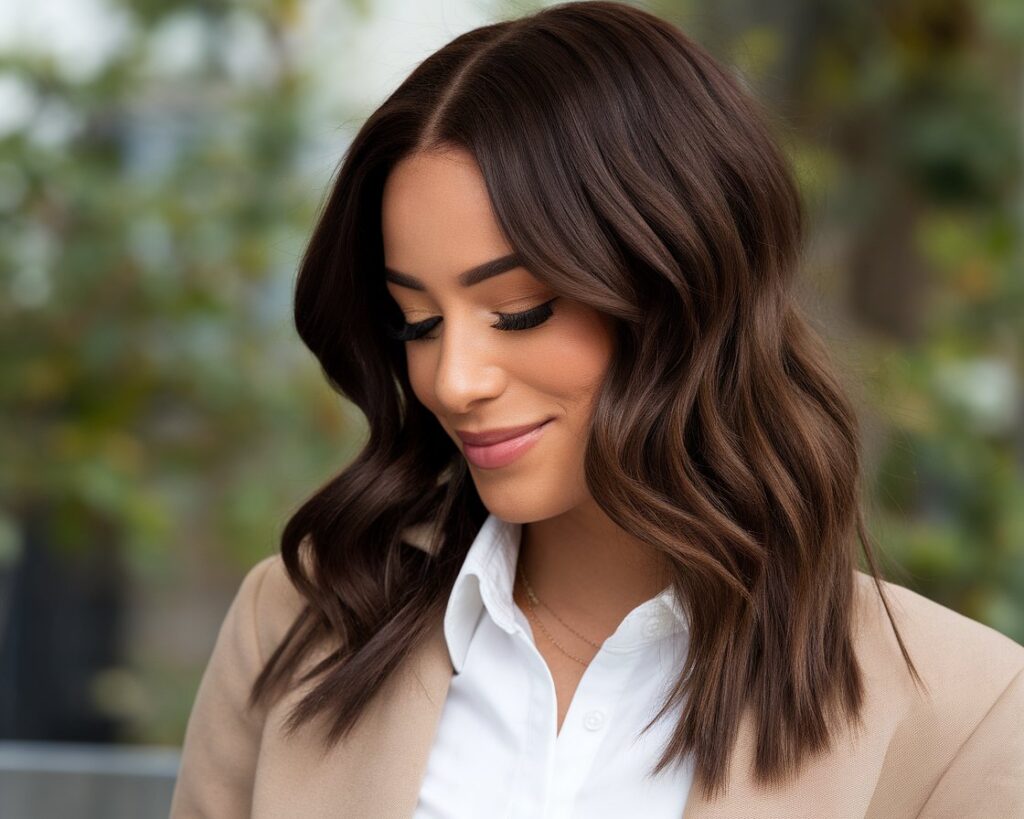
Dark Cocoa Brunette
Slightly lighter than espresso with a warmer undertone — this is the shade that makes hair look fuller and denser than it actually is. The cocoa tone has just enough warmth to catch light without looking obviously warm, which gives it a dimensional quality that a flat dark brown doesn’t have.
It’s particularly good for fine hair because the illusion of density is real — the warm-dark combination photographs with more body than cooler or flatter shades.
Ask your stylist for: A level 4 warm brown, slightly deeper at the roots and marginally lighter through the mid-lengths to create natural gradient.
Maintenance: Low.
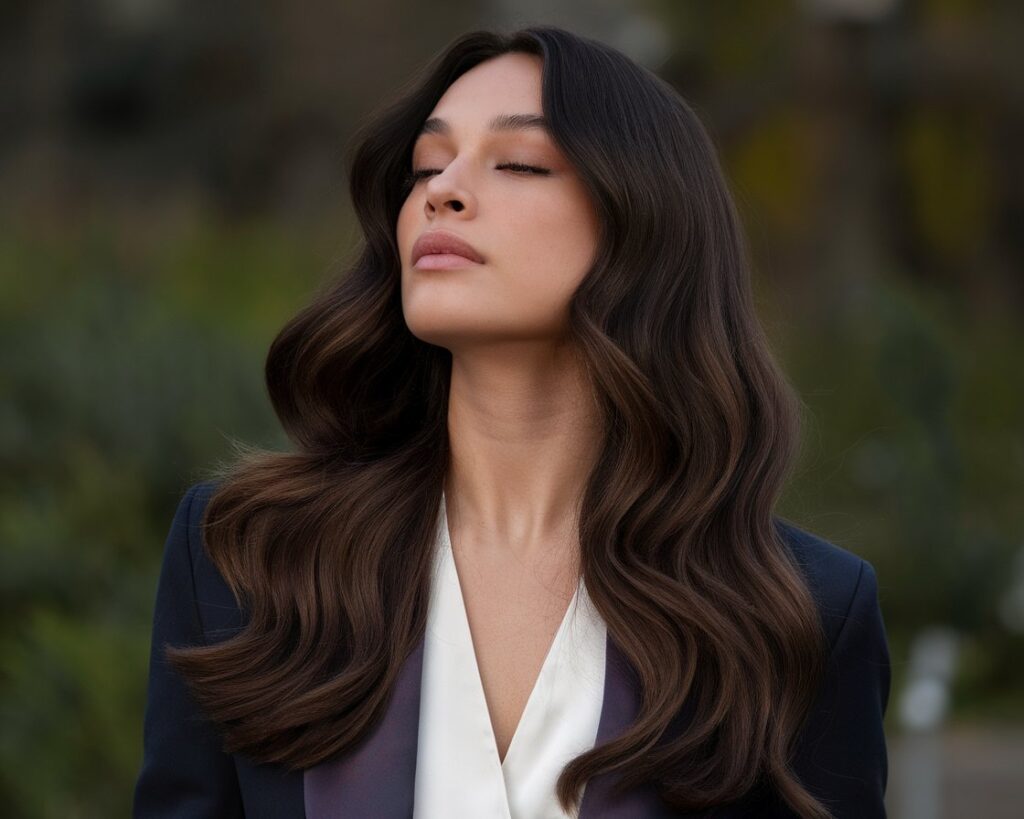
Chocolate Brunette
The most classic shade on this list and consistently one of the most requested brunette colors globally. Medium-dark, balanced warmth, universally flattering — chocolate brunette is the brunette equivalent of a white shirt. It shouldn’t work on absolutely everyone but somehow it does.
What makes it work so broadly is the neutrality of its warmth. It’s warm enough to feel rich and healthy, not so warm that it clashes with cool undertones. It photographs well in natural and artificial light and grows out without any awkward phases.
Ask your stylist for: A level 5-6 chocolate brown, neutral to slightly warm. Ask to see swatches — what one stylist calls chocolate another calls caramel, so visual reference matters here.
Maintenance: Low to medium — a gloss treatment every 8-10 weeks keeps it looking fresh.
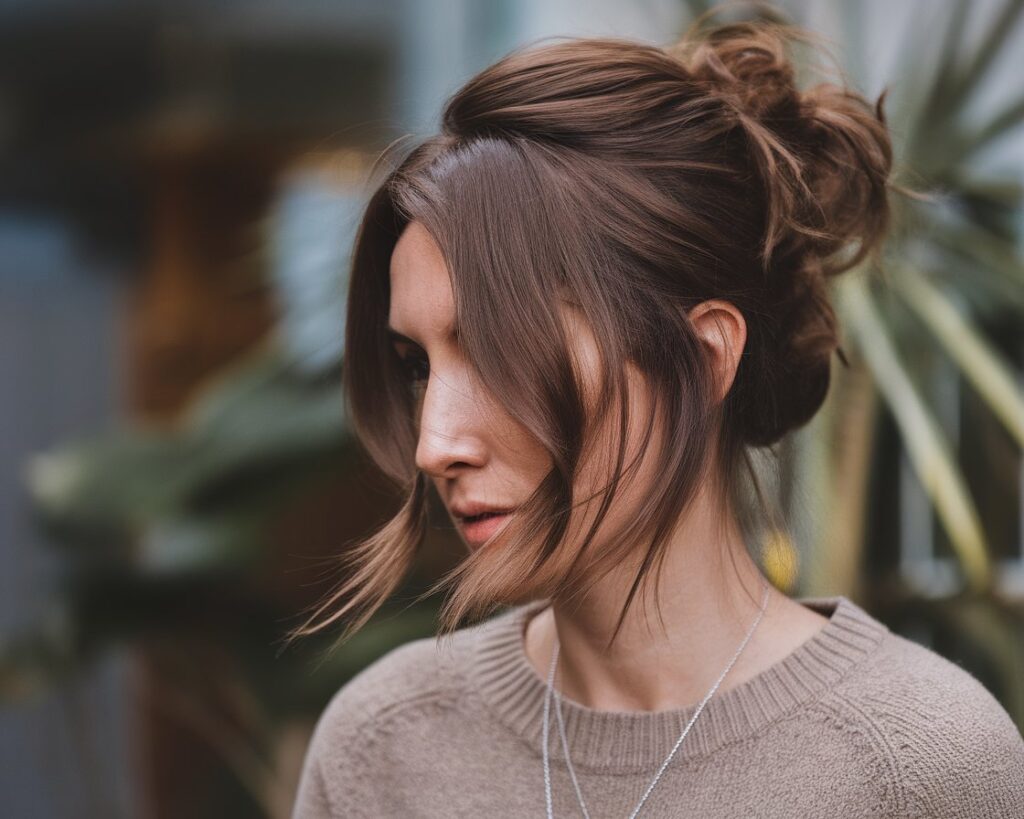
Mocha Brunette
Where chocolate brunette is balanced, mocha leans slightly cooler — the shade has a soft, muted warmth that’s closer to beige-brown than red-brown. It’s the brunette for people who find classic chocolate slightly too warm for their skin tone but find ash brunette too cold.
Mocha particularly suits neutral and slightly cool skin tones where a warmer brunette would fight with the complexion rather than complement it. It photographs with a soft, hazy quality that looks beautiful in natural light.
Ask your stylist for: A neutral-cool level 5-6, with a mocha or mushroom toner. Avoid any toners described as “warm” or “golden.”
Maintenance: Low to medium.
The Dimensional Brunettes — Color That Moves
These shades use technique rather than a single flat color to create the kind of hair that looks different in every lighting situation. They require more skill to execute and slightly more maintenance, but the result is hair that looks naturally beautiful rather than obviously colored.
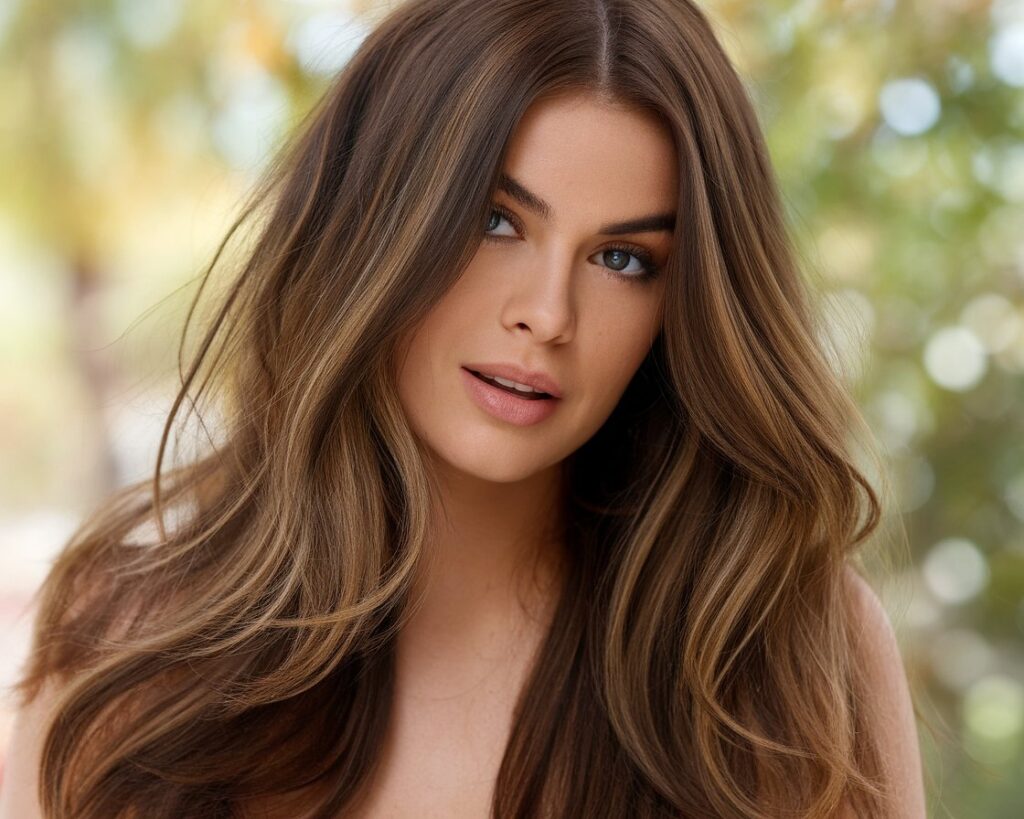
Caramel Brunette
Caramel is a technique as much as a color — warm, golden highlights woven through a dark brown base to create the sun-kissed dimension that makes brunette hair look genuinely alive. The caramel pieces catch light in a way that a flat brown never does, which is why caramel brunette consistently photographs better than most other shades.
It suits warm skin tones most naturally but works on neutral undertones too. Cool-toned skin can wear it but needs a softer, less golden caramel to avoid clashing.
Ask your stylist for: A caramel balayage or highlight over a level 5-6 base. Specify golden caramel rather than honey caramel if you want more warmth, or ask for beige caramel if you want something softer.
Maintenance: Medium — a toning gloss every 6-8 weeks keeps the caramel from going brassy.
Toffee Brunette
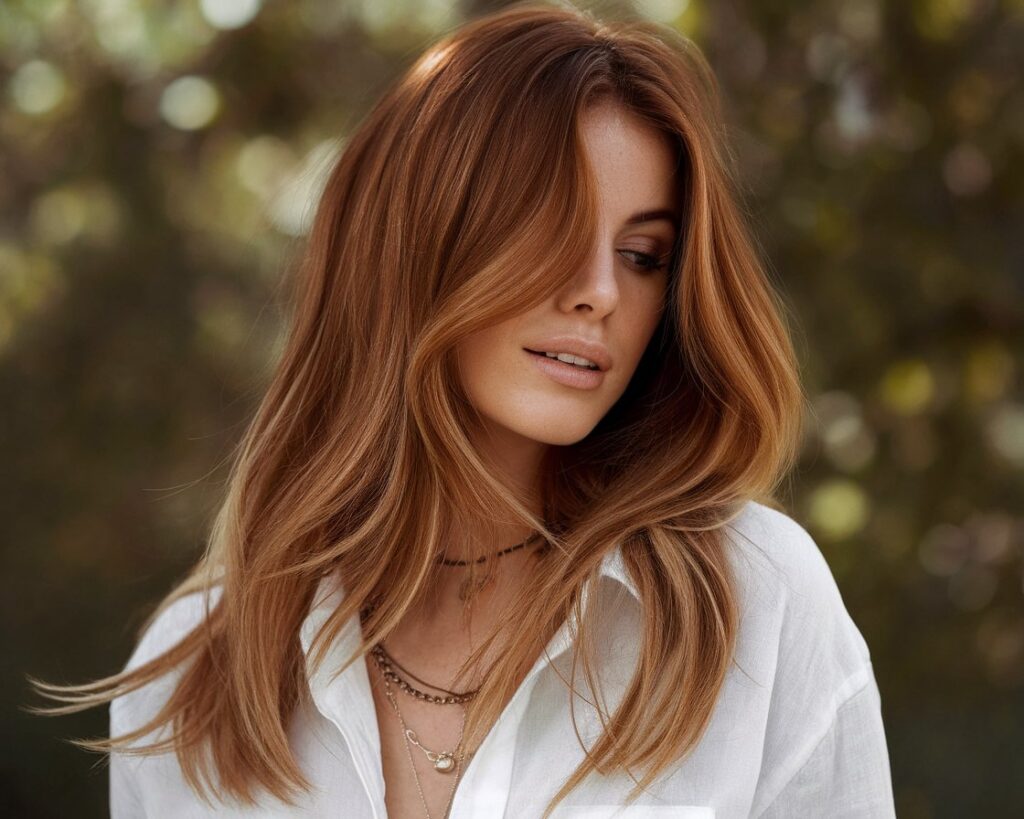
A step deeper than caramel — toffee has more brown in it and less gold, which makes it slightly more sophisticated and less obviously highlighted. Where caramel reads as summery and sun-kissed, toffee reads as rich and autumnal. Both are beautiful; the choice depends on the season and the energy you’re going for.
Ask your stylist for: A toffee balayage — warmer and deeper than caramel, with less contrast between the highlight and the base.
Maintenance: Medium — same as caramel, toning keeps it from going orange.
Chestnut Brunette
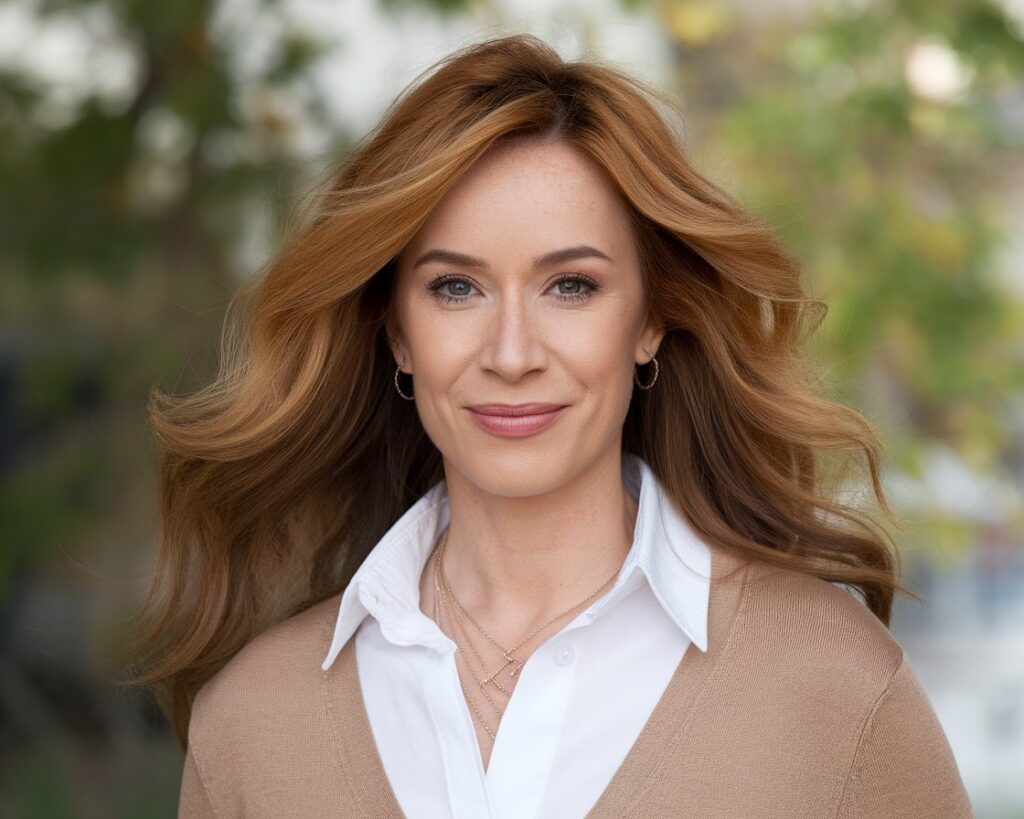
Chestnut sits at the warm end of medium brunette with red-brown undertones that are visible in direct light but subtle in shade. It’s one of the most naturally beautiful brunette shades because it genuinely mimics the hair color many people have naturally — just richer and more intentional.
The red undertone in chestnut is what gives it warmth and life. Done correctly it looks like your natural hair color turned up. Done incorrectly it can look obviously red — which is why telling your stylist “chestnut, not auburn” matters.
Ask your stylist for: A level 5-6 warm brown with a chestnut or red-brown toner. Show reference images — chestnut is one of the most interpreted shades in the brunette family.
Maintenance: Medium — red undertones fade faster than neutral or ash tones. A color-depositing shampoo in between salon visits helps significantly.

Cinnamon Brunette
More obviously warm and reddish than chestnut — cinnamon brunette leans into the red-brown territory deliberately. It’s the brunette for people who want their hair to have real personality and warmth without going full auburn or red.
It suits warm and olive skin tones particularly well. On cool or very fair skin it can overwhelm — the warmth of the shade needs warmth in the complexion to balance it.
Ask your stylist for: A cinnamon brown — level 5 with a warm, slightly reddish toner. Be specific about how much red you want versus brown.
Maintenance: Medium to high — warm and red tones require more frequent maintenance than neutral shades.

Walnut Brunette
A sophisticated medium-dark brown with subtle warm undertones that read as richness rather than obvious warmth. Walnut is what happens when you want dimension and depth without any visible highlights — the tone itself creates the impression of complexity.
It’s a particularly good choice for people going darker from a lighter shade, as walnut has enough depth to look intentional without the starkness of a very dark result.
Ask your stylist for: A level 5 neutral-warm brown, slightly deeper than chocolate. A single gloss application can achieve this without needing highlights.
Maintenance: Low to medium.
The Cool Brunettes — Modern, Muted, Editorial
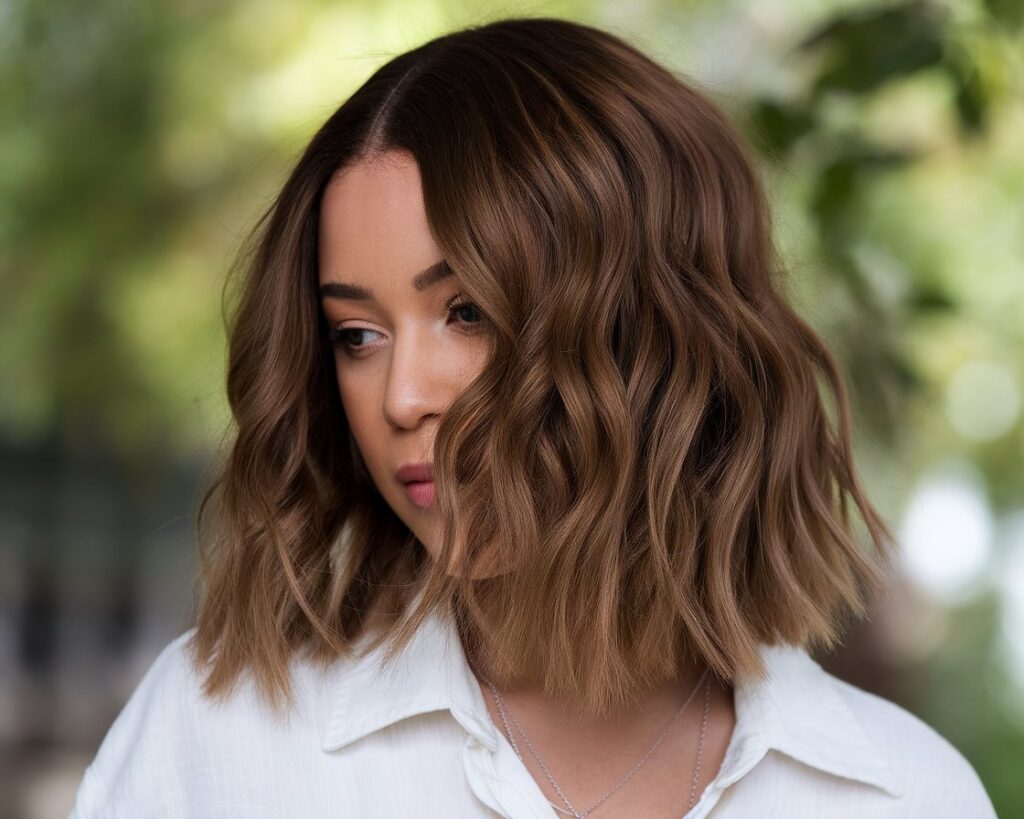
These shades remove warmth entirely and replace it with ash, grey, or smoky tones. They look modern and polished, suit cool and neutral skin tones, and require specific toning to maintain because hair naturally pulls warm as color fades.
Ash Brunette
The coolest brunette available without going grey. Ash brunette has smoky, muted undertones that read as sophisticated and editorial — it’s the shade that looks intentional in a way that warm brunettes don’t always achieve. There are no red or orange tones anywhere in it, which is what gives it that clean, modern quality.
The challenge with ash brunette is that it requires active maintenance — hair naturally pulls warm as color fades, which means ash tones need regular refreshing with a cool toner or ash shampoo to stay true.
Ask your stylist for: A level 5-6 ash brown, with an ash or cool-neutral toner. Specify “no warmth” clearly and ask about a silver or blue shampoo for home maintenance.
Maintenance: Medium to high — the ash tone needs regular refreshing.
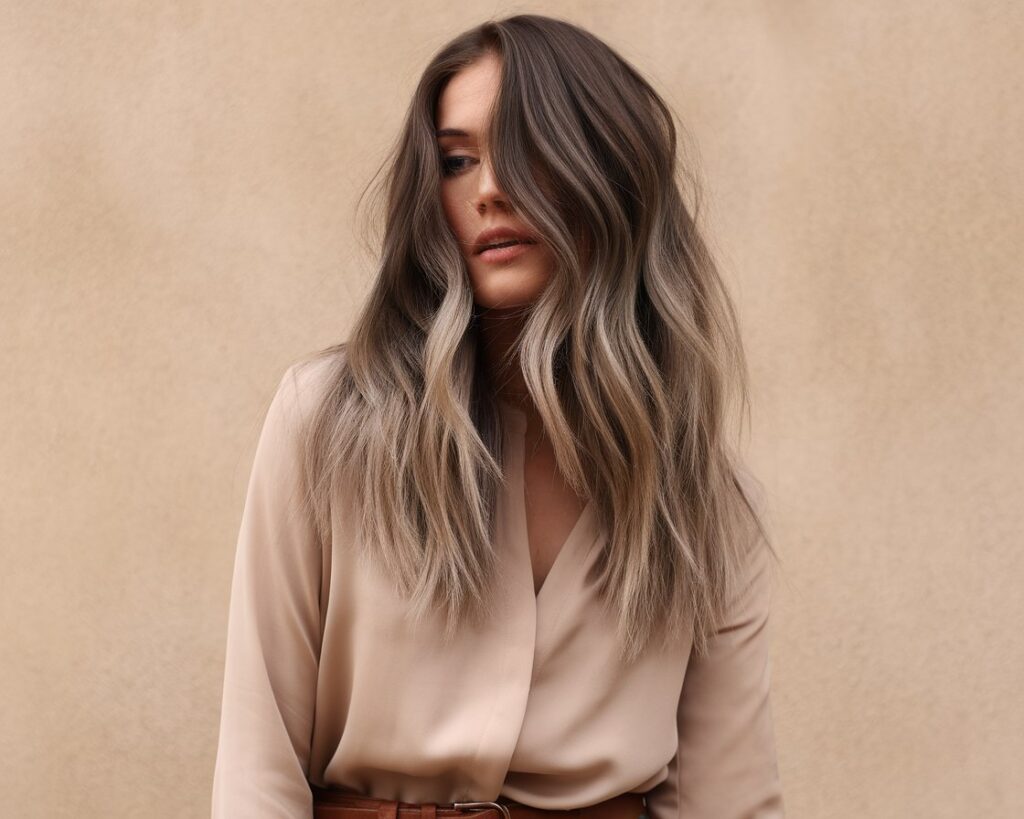
Mushroom Brunette
One of the most talked-about brunette shades of the past few seasons and still very much relevant in 2026. Mushroom brunette sits between ash and beige — cool, muted, slightly grey-toned. It looks best on people with cool or neutral undertones and has a particular quality of making skin look luminous rather than washed out.
The name describes the tone accurately: earthy, muted, soft. It’s not dramatic but it’s distinctly modern and photographs with a softness that warmer brunettes don’t have.
Ask your stylist for: A mushroom brown — ask specifically for a beige-ash toner at level 5-6. Show reference images as mushroom varies significantly between interpretations.
Maintenance: Medium — requires toning to keep the cool-muted quality from fading warm.
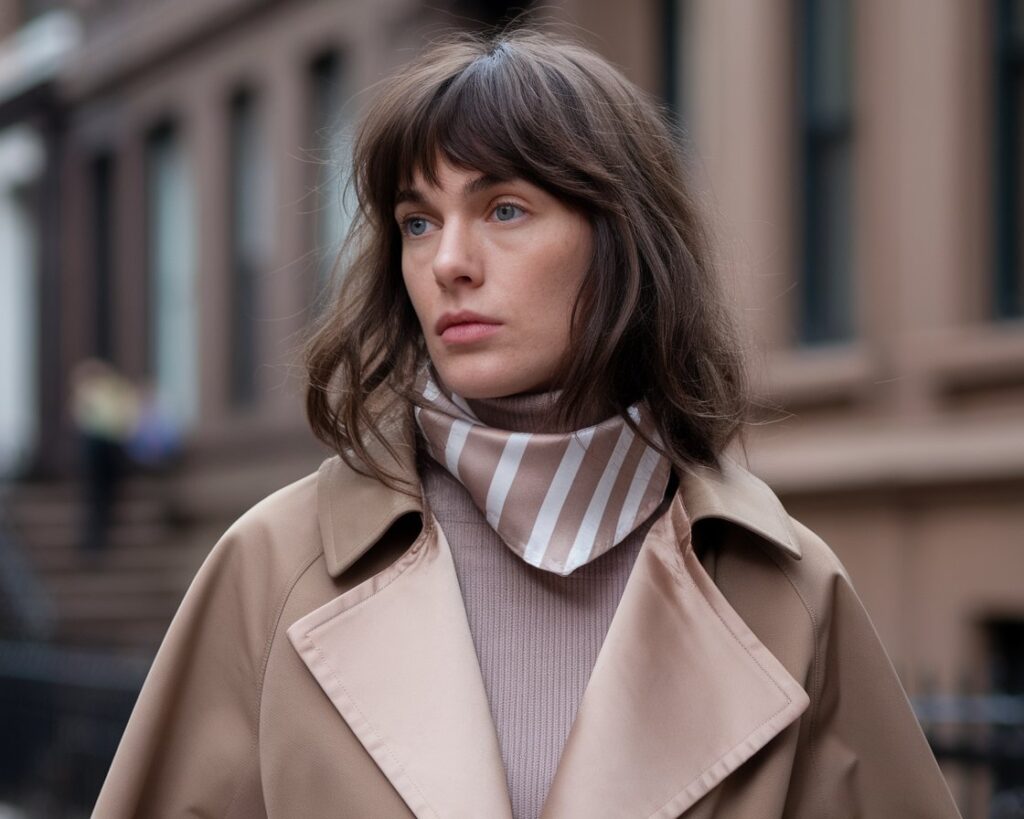
Smoky Brunette
The most dramatic of the cool brunettes. Smoky brunette adds a slight grey or charcoal quality to the brown that makes it look genuinely unique — not quite brown, not quite grey, something more interesting than either. It’s a shade that turns heads without being a bright or unconventional color.
It suits cool undertones strongly. On warm skin it can look ashy in a way that reads as dull rather than sophisticated.
Ask your stylist for: A level 5 brown with a smoky or charcoal-toned toner. This is a specialist request — bring reference photos and confirm your stylist has done it before.
Maintenance: High — the grey-brown tone fades quickly and requires regular toning.
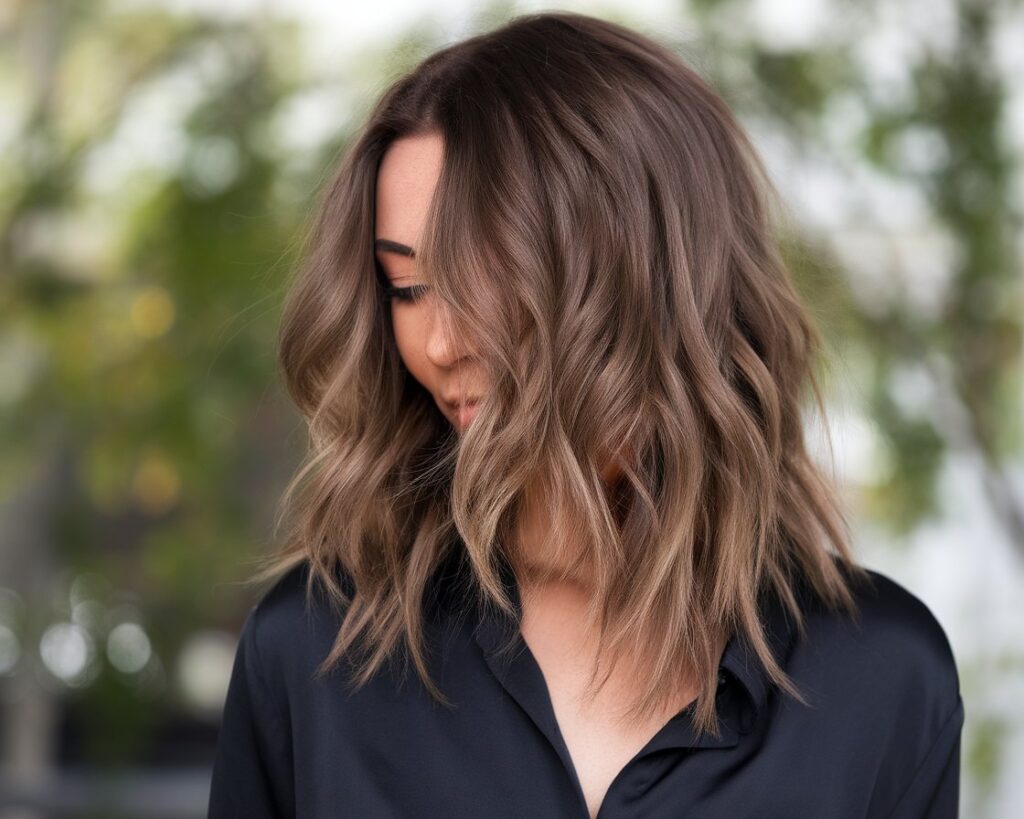
The Natural and Lived-In Brunettes — For Low Maintenance Real Life
Soft Shadow Root Brunette
A dark, natural root that gradually lightens through the mid-lengths and ends — no harsh lines, no obvious grow-out, just a seamless fade that looks like your natural hair at its best. The shadow root technique is one of the most practical color choices available because it’s designed to look better as it grows.
It suits people who can’t make it to the salon every 6 weeks and people who want their hair to look natural rather than obviously colored.
Ask your stylist for: A shadow root brunette — natural root color blended into slightly lighter ends. The lighter ends should still be brunette, just 1-2 levels lighter than the root.
Maintenance: Very low — the whole point of the technique is that grow-out is built in.

Lived-In Brunette
Similar to the shadow root but with more overall dimension — a mix of darker and lighter brunette tones blended throughout the hair so it looks like several seasons of natural sun exposure rather than a single color service. The effect is effortless in a way that single-process color rarely achieves.
Ask your stylist for: A lived-in brunette — ask for babylights or fine highlights in a shade 1-2 levels lighter than your base, blended so no single highlight is visible on its own.
Maintenance: Very low.
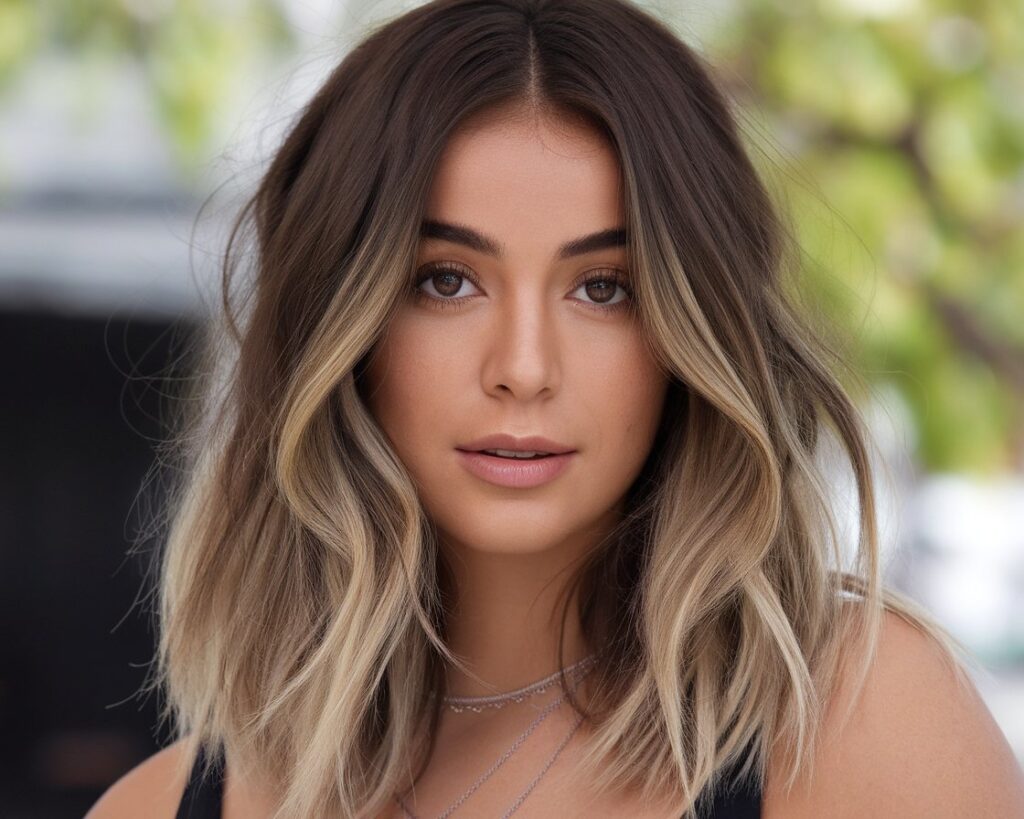
Glossy Natural Brunette
Not a color change at all — a gloss treatment applied to your existing natural brunette to add shine, deepen the tone slightly, and make it look like the best version of your natural color. It’s the option for people who are happy with their natural brown but want it to look more intentional and healthy.
A gloss treatment takes about 20 minutes in a salon, costs significantly less than a color service, and lasts 4-6 weeks.
Ask your stylist for: A clear or tinted gloss in your natural shade. If your hair has any warmth naturally, a neutral or slightly cool gloss will balance it. If it runs cool naturally, a slightly warm gloss adds life.
Maintenance: Very low — repeat every 6-8 weeks if you want to keep the shine.
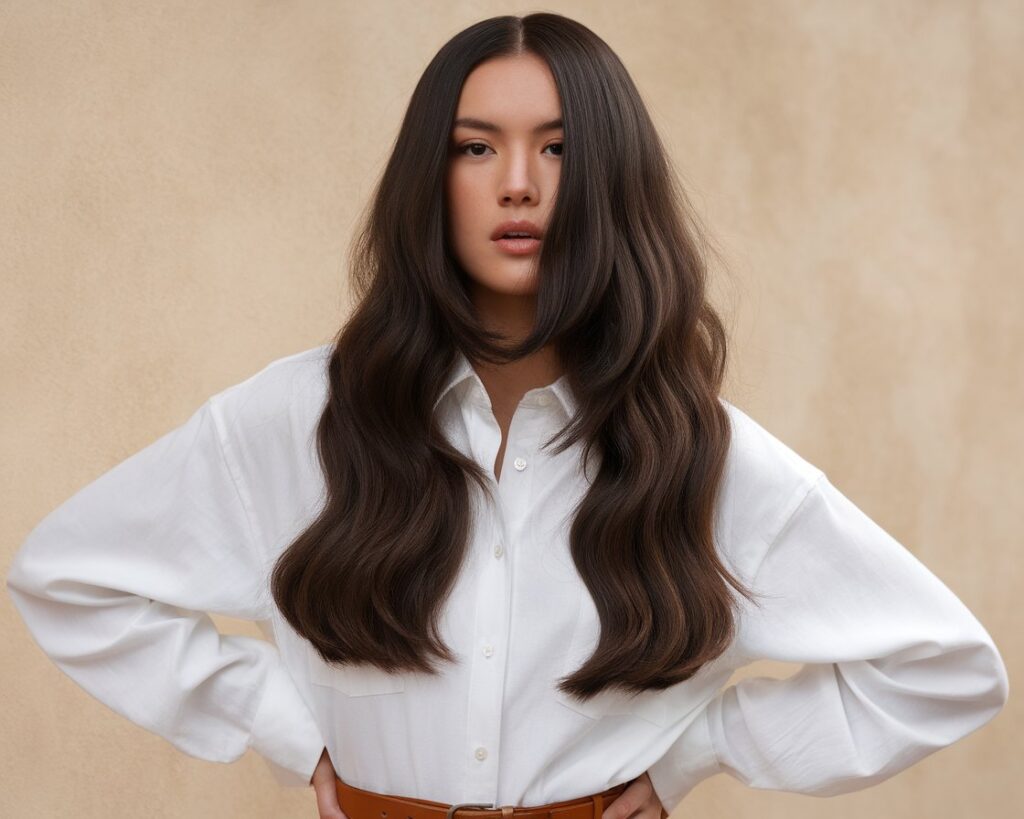
What Nobody Tells You About Going Brunette
A few honest notes that most hair color articles skip:
Going darker is easier than going lighter, but not reversible quickly. If you dye your hair dark and decide you want to go lighter again, it takes multiple sessions and significant cost to reverse. Be sure before you commit to a deep espresso or smoky brunette.
Box dye and salon brunette look different. Box dye applies color uniformly, which looks flat. Salon color is applied with dimension in mind. If you want the rich, glossy brunette you’re seeing in reference photos, a salon is the only way to get there reliably.
Your hair’s starting condition matters. Damaged, porous hair absorbs color unevenly and fades faster. A deep conditioning treatment in the weeks before your color appointment will give you a better result.
The toner is not optional. For any cool or ash brunette, the toner is what makes the shade look like the reference photo. Without it, the color will be warmer and less precise than you expect. Always confirm your stylist is applying a toner at the end of the service.
The information in this post is based on personal research and experience and is intended for educational purposes only. It is not a substitute for professional medical or dermatological advice, diagnosis, or treatment. Always consult a qualified healthcare provider before making changes to your skincare routine or health practices, especially if you have a medical condition or sensitivity.
