
This post contains affiliate links. If you click a link and make a purchase, I may earn a small commission at no extra cost to you. I only recommend products I genuinely believe in. Thank you for supporting Amoria Style!
Let’s get the uncomfortable part out of the way first: tanning oil accelerates UV exposure, and UV exposure damages skin. That’s not a wellness blog disclaimer — it’s physics. Every tan is your skin producing melanin in response to injury. I’m not going to pretend otherwise, and I’m not going to tell you tanning is secretly fine if you use the right oils. What I will tell you is that people tan regardless, that harm reduction is a legitimate framework for adult choices, and that a thoughtfully formulated DIY tanning oil — built from skin-nourishing, antioxidant-rich carrier oils — is meaningfully better for your skin than the mineral oil, synthetic fragrance, and mystery emulsifiers in a drugstore tanning bottle. If you’re going to be in the sun, you might as well put something on your skin that actually works with it.
How Tanning Oil Actually Works
The mechanism is simpler than most brands want you to think. Tanning oils don’t contain UV filters — they’re not sun protection, and the few formulas marketed as “low SPF tanning oil” are offering you essentially nothing in terms of burn prevention. What oils do is two things: they attract and concentrate UV rays on the skin surface, and they keep skin deeply moisturized during the tanning process, which changes how evenly and how lastingly color develops.
The UV side of this matters because there are two types of UV radiation at work. UVA — long-wave radiation — penetrates deep into the dermis. It triggers melanin oxidation (the immediate darkening you see) and is the primary driver of photoaging: the collagen breakdown, the loss of elasticity, the deeper wrinkling that shows up years later. It passes through glass, it’s present year-round, and it’s not significantly blocked by most everyday SPF unless you’re wearing SPF 30 or higher. UVB — shorter-wave radiation — is what causes sunburn. It’s more energetic, more immediately damaging to the skin surface, and more variable by season and latitude. Most tanning oils do nothing meaningful about either. They just make both more efficient.
The moisturization piece is where DIY formulation actually earns its place. Dry skin is patchy skin — when your surface cells are dehydrated, they reflect UV unevenly, produce melanin in uneven concentrations, and shed faster, taking your hard-won tan with them. Well-moisturized skin allows melanin to distribute more evenly across the keratinocytes, producing color that looks richer and lasts longer. This is why the oil itself matters, not just the “tanning” marketing on the label.
The Ingredients That Actually Matter
Before you start blending, it’s worth understanding what each ingredient genuinely contributes — because the internet is aggressively wrong about several of these.
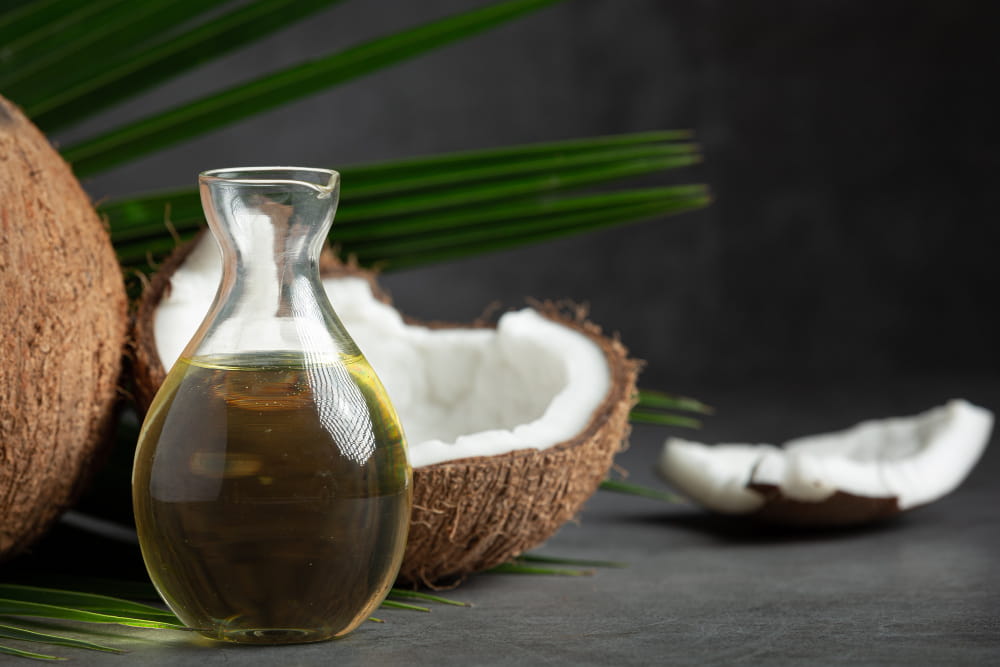
Coconut oil is the most common tanning oil base for good reasons. It’s a medium-weight oil with a fatty acid profile (primarily lauric acid) that’s deeply moisturizing, slow to oxidize, and comfortable on skin during extended sun exposure. You’ll see it listed as having a “natural SPF of 4” in various studies, and while that’s technically documented, it is not protective — don’t do the math and decide you’re covered. It’s worth knowing, not worth relying on.
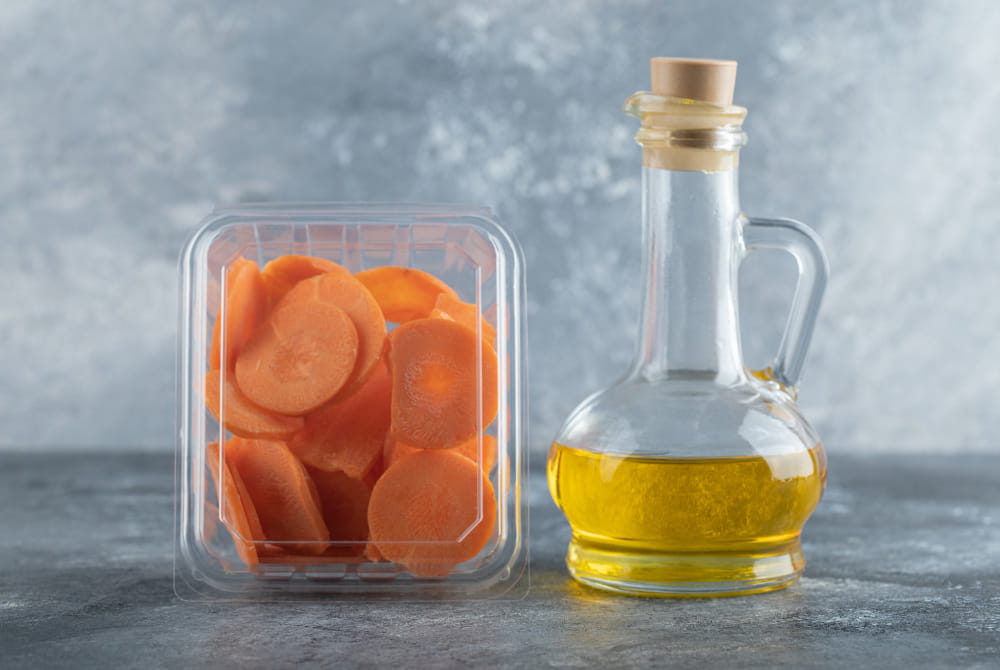
Carrot seed oil is one of the most misrepresented ingredients in the natural beauty space. There’s a claim circulating endlessly that it has SPF 38–40. This comes from a single, poorly conducted study that has never been replicated, doesn’t account for how SPF is actually measured, and is not accepted in the dermatological literature. Carrot seed oil does not meaningfully protect against UV. What it genuinely offers is beta-carotene content, which supports melanin synthesis and gives skin a warmer, slightly golden undertone — which is why it belongs in a tanning oil, just for the right reason.
Walnut oil brings something distinct to tanning formulations: tannins. These naturally occurring polyphenolic compounds interact with proteins in the skin’s surface layer and produce a mild bronzing effect independent of UV exposure. Combined with UV tanning, walnut oil formulas tend to produce deeper, richer color than coconut-based formulas. It’s also high in linoleic acid, which makes it genuinely nourishing. The downside: it oxidizes faster than most carrier oils, so formulas containing it have a shorter shelf life.
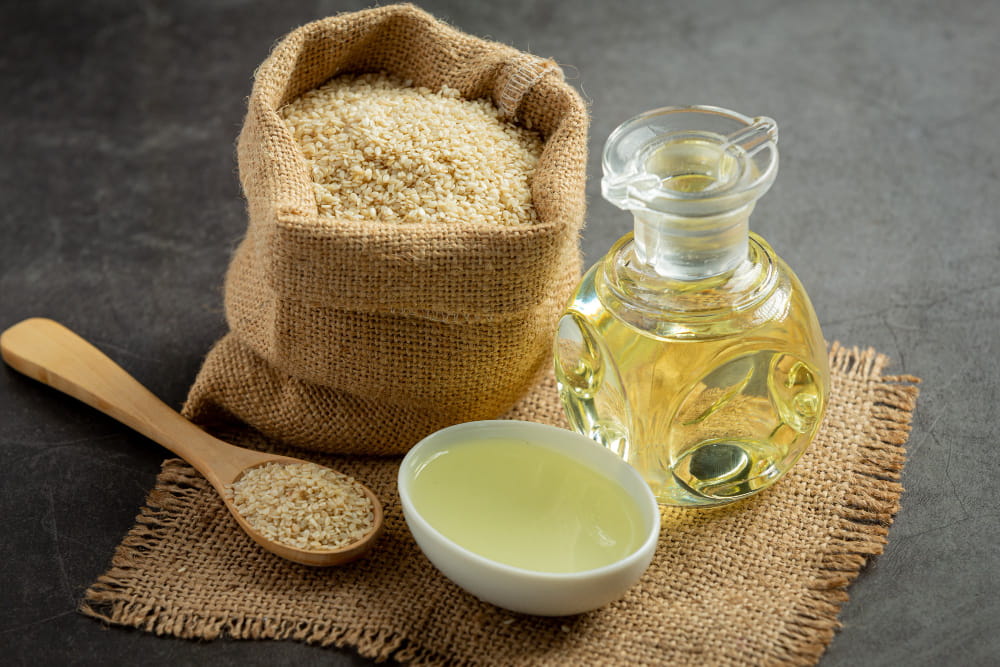
Sesame oil is one of the few carrier oils with a reasonably well-documented, if modest, UV-absorbing capacity — measured around SPF 4 in controlled conditions. This isn’t sun protection in any practical sense, but it means sesame oil has a slightly different interaction with UV than purely transparent oils. It’s also high in sesamol and sesamin, antioxidants that provide some free radical defense during sun exposure. Lighter than coconut oil, with a subtle nutty warmth to the scent.
Raspberry seed oil — here we go again with the inflated SPF claims. You’ll find this oil marketed everywhere as SPF 28 to 50. The source of that number is a 2000 study by Oomah et al. that measured the oil’s UV absorption spectrophotometrically, not through the in vivo testing required to establish actual SPF. Subsequent proper testing has not supported these figures. What raspberry seed oil genuinely does: it’s exceptionally high in vitamin E and ellagic acid, making it one of the more antioxidant-rich carrier oils available. It belongs in skin-protective formulas — including the after-sun recovery oil below — for real reasons, just not the fake ones.
Vitamin E oil (tocopherol) earns its place in any sun-exposure formula through actual mechanism. UV radiation generates free radicals in skin cells, which cause oxidative damage to lipids, DNA, and proteins — the chain reaction that accelerates aging and raises cancer risk over time. Vitamin E is a lipid-soluble antioxidant that interrupts this chain. It doesn’t block UV, but it reduces the downstream damage from the UV that does reach your cells. Use tocopherol oil (not the synthetic acetate form if you can help it) at around 1-2% of your total formula.
On essential oils: most fragrance options are photosensitive, meaning UV exposure causes them to react with skin and produce burns or permanent hyperpigmentation. This applies especially to citrus oils — bergamot is the most notorious (bergapten, a furanocoumarinon, is the compound responsible), but lemon, lime, grapefruit, and cold-pressed orange oil are all problematic in sun products. Safe choices for tanning oils include vanilla absolute, lavender (standard, not cold-pressed citrus blends), eucalyptus, and ylang ylang. If you see a “tropical” tanning oil recipe online with lime or grapefruit essential oil, step away from it.
The 5 Recipes
Each formula below is sized for a 100ml batch. Use a dark glass bottle for storage — UV degrades oils faster than most people expect, which is somewhat ironic given the use case. All can be blended cold; no heating required.
1. Classic Coconut Bronzing Oil
This is the tanning oil archetype — the formula that makes sense if you want the experience people actually associate with a day in the sun: the warm scent, the glossy finish, the coconut-skin smell that’s been with beach culture since the 1970s. The difference here is that it’s built with ingredients that give back to your skin rather than just sitting on top of it.
Ingredients (100ml batch):
- Fractionated coconut oil — 75ml
- Carrot seed oil — 15ml
- Vitamin E oil (tocopherol) — 5ml
- Lavender essential oil — 20 drops
- Vanilla absolute — 10 drops
Method: Combine all oils in a dark glass bottle. Cap and shake gently to combine. No emulsification needed — these are all oil-phase ingredients. Label with the date.
Application: Apply generously to skin 10–15 minutes before sun exposure to allow initial absorption. Reapply after swimming or heavy sweating. This formula absorbs moderately — it will leave a light sheen, not a greasy layer.
Storage: Up to 6 months in a cool, dark location. Fractionated (liquid) coconut oil has a longer shelf life than virgin coconut oil and won’t solidify.
Why fractionated rather than virgin here: Virgin coconut oil is solid at room temperature below about 24°C, which makes a tanning oil inconvenient in spring conditions or cool beach mornings. Fractionated stays liquid, absorbs slightly faster, and has a longer oxidative stability.
2. Walnut and Sesame Deep Tan Oil
This formula is for people who are serious about maximizing tan depth and speed. The combination of walnut oil’s tannins and sesame oil’s mild UV interaction produces a different tan profile than coconut-based formulas — darker, richer, with more of an olive-gold tone rather than the warm bronze that coconut oil tends toward. It also smells completely different: nutty, slightly earthy, more understated. Not everyone’s preference for a beach scent, but genuinely pleasant in a less tropical way.
The tradeoff: walnut oil oxidizes relatively quickly, so this formula needs to be used within 3–4 months and shouldn’t sit in a hot car.
Ingredients (100ml batch):
- Walnut oil — 50ml
- Sesame oil — 35ml
- Vitamin E oil — 10ml
- Carrot seed oil — 5ml
- Eucalyptus essential oil — 15 drops
Method: Combine in a dark amber glass bottle and shake to combine. The vitamin E content from the tocopherol oil helps extend the shelf life of the more oxidation-prone walnut oil — it’s doing double duty here.
Application: Apply 15 minutes before sun exposure. This is a slightly heavier formula than the classic coconut blend — a little goes further than you might expect. Start with a smaller amount and add more if needed. The tannin interaction that produces the bronzing effect is enhanced by the oil staying on skin surface rather than being fully absorbed, so don’t overdo the rubbing-in.
Storage: 3–4 months maximum. Store in a cool, dark place. Refrigeration extends shelf life if you’re making larger batches.
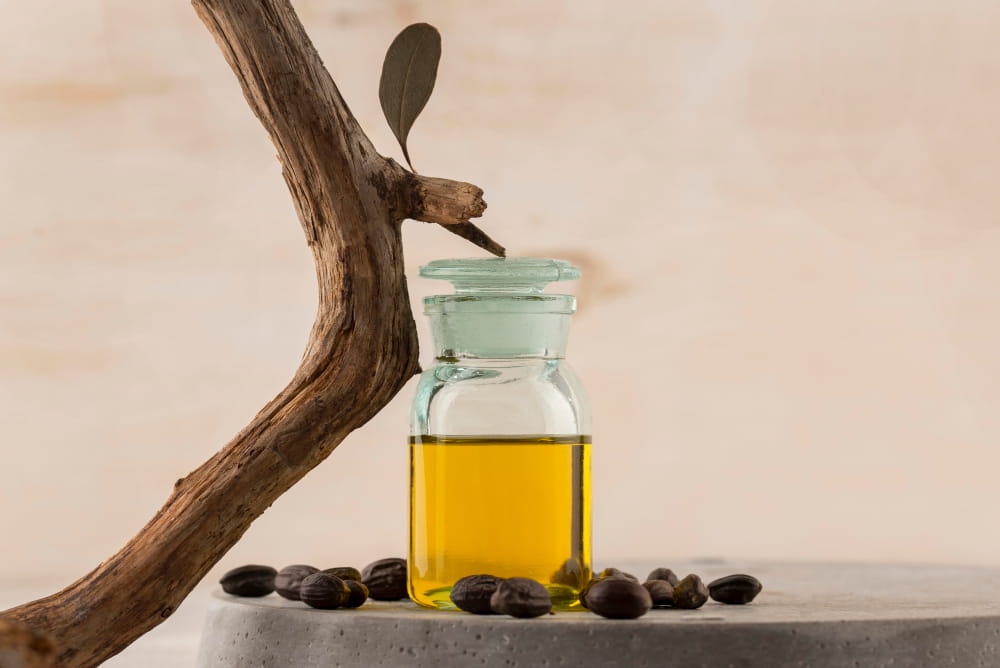
3. Lightweight Jojoba Tanning Oil
Coconut oil-based tanning formulas have a well-documented problem: for people with oily, combination, or acne-prone skin, a heavy oil base during sun exposure in heat can translate to congested pores and breakouts. Jojoba is the obvious answer here, and it’s a genuinely different material from most carrier oils. Technically it’s a liquid wax rather than a triglyceride oil — its fatty acid profile closely mimics human sebum, which means it absorbs readily without the occlusive layer that heavier oils leave. It won’t clog pores the way coconut oil can for reactive skin types.
Argan oil goes in here for its antioxidant density — it’s high in both vitamin E and polyphenols, which makes it genuinely protective during UV exposure in a way that most carrier oils aren’t.
Ingredients (100ml batch):
- Jojoba oil — 70ml
- Argan oil — 20ml
- Carrot seed oil — 8ml
- Vitamin E oil — 2ml
- Lavender essential oil — 25 drops
Method: Combine in a dark glass bottle and shake. The formula is lighter than the coconut-based versions and will have a slightly thinner consistency.
Application: Apply 10 minutes before sun exposure. Because jojoba absorbs quickly, you can apply a second coat if needed without the heavy buildup that some tanning oils produce. Good for the face as well as the body — one of the few tanning oil formulas that won’t cause issues on more reactive facial skin.
Storage: Up to 12 months — jojoba is exceptionally stable against oxidation, which is one of its underappreciated qualities.
4. Vanilla and Coconut Scented Tanning Oil
Some people want the tan. Some people want the experience — the scent, the sensory ritual of applying something that smells like vacation before lying in the sun. This formula is for the second group, and it takes the scent seriously enough to use monoi oil rather than plain coconut.
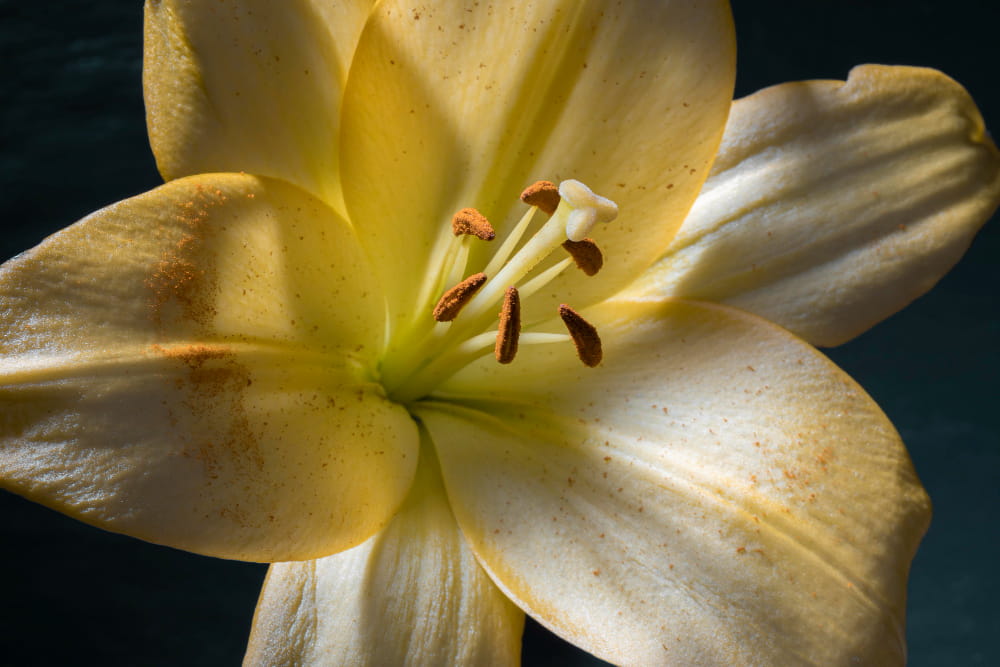
Monoi de Tahiti is cold-pressed coconut oil that has been infused with the tiare flower (Gardenia taitensis) for a minimum of ten days according to traditional Polynesian practice. The result smells like nothing else — it has the base of coconut oil but with a white floral quality that’s softer and more complex than any fragrance recreation. Importantly, tiare flower adds actual skin-nourishing compounds to the base, not just scent. Genuine Tahitian monoi carries the Monoi de Tahiti Appellation d’Origine designation — look for this if you want the real thing rather than a scented coconut oil sold under the name.
Vanilla absolute (not extract, which contains alcohol and behaves differently on skin) adds warmth and depth to the scent profile without photosensitivity concerns.
Ingredients (100ml batch):
- Monoi de Tahiti oil — 80ml
- Fractionated coconut oil — 10ml (to keep it liquid in cooler conditions — monoi solidifies below 24°C like virgin coconut oil)
- Vitamin E oil — 5ml
- Carrot seed oil — 5ml
- Vanilla absolute — 15 drops
Method: If your monoi has solidified, gently warm the bottle in a bowl of warm water until it liquefies before measuring. Combine all ingredients in a dark glass bottle. This formula will solidify below about 24°C — run the bottle under warm water to re-liquefy before use.
Application: Warm between your palms before applying to skin in cooler temperatures. Apply 15 minutes before sun exposure. The scent lingers pleasantly throughout the day and actually improves slightly as the vanilla and monoi compounds warm on the skin.
Storage: 6–8 months. Store away from direct sunlight and heat — the monoi scent degrades faster with heat exposure.
5. After-Sun Recovery Oil
This one isn’t a tanning oil. It’s what you apply after — and it matters at least as much as what you apply before.
UV exposure, even without visible burning, causes oxidative stress in skin cells, surface dehydration, and inflammation at the cellular level. Most people reach for after-sun products that are heavy on the cooling sensation (usually menthol) and light on actual skin repair. This formula addresses what’s actually happening: antioxidant intervention to interrupt ongoing oxidative damage, deep rehydration to counteract UV-induced water loss, and anti-inflammatory support to calm the cellular response.
Tamanu oil is the distinctive ingredient here, and it earns its place. Unlike the inflated claims around raspberry seed oil’s SPF or carrot seed oil’s sunscreen properties, tamanu’s anti-inflammatory and wound-healing properties are backed by actual pharmacological research. The oil contains calophyllolide and lactone compounds with documented cyclooxygenase-inhibiting activity — essentially, it acts on the same pathway as anti-inflammatory drugs, but topically. It also supports new cell formation, which matters for repairing UV-damaged surface cells. The texture is heavy and green-brown with a distinctive medicinal smell, which is why it works best blended at lower percentages.
Ingredients (100ml batch):
- Pure aloe vera gel — 40ml (not aloe juice — look for 99-100% gel)
- Raspberry seed oil — 30ml
- Jojoba oil — 15ml
- Tamanu oil — 10ml
- Vitamin E oil — 5ml
- Lavender essential oil — 20 drops
Method: This formula contains water-phase (aloe gel) and oil-phase ingredients, which means it won’t blend into a true emulsion without an emulsifier — and adding emulsifier complicates the formula significantly. Instead, shake well before each use and apply immediately after shaking. Alternatively, use the aloe gel separately first, allow it to absorb partially, then apply the oil blend on top.
Application: Apply to skin as soon as possible after sun exposure — within an hour for best effect. Apply generously to any areas that received significant UV. The aloe cools and hydrates the surface immediately; the oils deliver antioxidant and anti-inflammatory support as they absorb.
Storage: Because this formula contains aloe gel (water phase), it’s at higher risk of microbial growth than pure oil formulas. Store in the refrigerator and use within 4–6 weeks, or keep the aloe and oil components separate and combine fresh each time.
The Honest Conversation About SPF
None of these recipes replace actual sun protection. I want to be direct about that rather than burying a disclaimer at the bottom.
The good news is that using SPF and using a tanning oil aren’t mutually exclusive — they’re actually complementary if done correctly. Apply a mineral or chemical SPF 30 to your skin first, allow it to absorb and dry for 15–20 minutes, then apply your tanning oil over it. What happens: SPF 30 blocks approximately 97% of UVB (the burning radiation) while still allowing significant UVA transmission. You still tan — often more slowly and more evenly — while dramatically reducing your burn risk and the UVB-induced DNA damage that most directly increases skin cancer risk.
This approach is not the same as tanning without protection. You’re not eliminating UV damage, but you’re meaningfully reducing the component most associated with acute injury and genetic damage to skin cells. For people who tan regularly or have cumulative sun exposure through outdoor work or sport, this difference compounds significantly over years.
What you shouldn’t do is apply SPF 30 and think you’re protected while lying in direct sun for four hours. SPF degrades with sweat and swimming — it needs reapplication every two hours, more often in water. Tanning oils also dilute SPF slightly when layered over it, which is worth knowing.
The other honest thing to say: if you’re prone to burning, have a family history of melanoma, or have already had significant cumulative sun exposure over your lifetime, the risk-benefit calculation of deliberate tanning is different than it is for someone without those factors. A dermatologist is the right person to have that conversation with, not a beauty blog.
The information in this post is based on personal research and experience and is intended for educational purposes only. It is not a substitute for professional medical or dermatological advice, diagnosis, or treatment. Always consult a qualified healthcare provider before making changes to your skincare routine or health practices, especially if you have a medical condition or sensitivity.
