
This post contains affiliate links. If you click a link and make a purchase, I may earn a small commission at no extra cost to you. I only recommend products I genuinely believe in. Thank you for supporting Amoria Style!
Here’s something most perfume articles skip over entirely: the reason a fragrance smells stunning on a paper tester strip and mediocre on your skin isn’t about quality. It’s about chemistry. Your skin has its own pH, its own oils, its own microbiome — and fragrance materials react to all of it. This is why the same Chanel No. 5 smells powdery and elegant on one person and soapy and flat on another. It’s not imagination. It’s skin chemistry doing exactly what skin chemistry does.
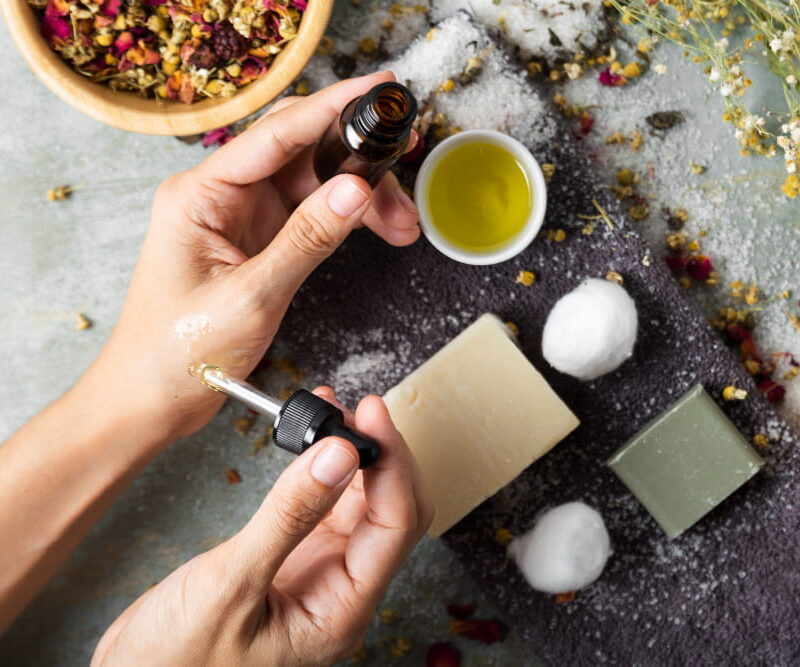
Perfume oil leans into this rather than fighting it. Because it’s oil-based, it blends directly with your skin’s natural sebum instead of sitting on top of it the way alcohol-based perfumes do. The result is something that smells genuinely personal — warmer, more intimate, and often more complex than the same fragrance diluted in ethanol. This is why I became genuinely obsessed with making them, and why I think they’re the most underrated corner of DIY beauty.
Understanding Perfume Structure: Why Three Layers Matter
Perfumers talk about top, middle, and base notes like they’re self-explanatory, but the practical reality is more interesting than the definitions.
Top notes are what you smell in the first five minutes — the immediate impression. They’re typically light, volatile molecules: citrus oils, light herbs, some greens. They evaporate fast. Within 15 to 30 minutes, most of them are gone. This is why a perfume that smells like grapefruit and bergamot in the bottle rarely smells like that four hours later. Top notes exist to make the opening interesting, not to define the whole fragrance.
Middle notes (sometimes called heart notes) are the backbone of a perfume. They emerge as the top notes fade and last anywhere from two to four hours on skin. Florals live here — rose, jasmine, ylang ylang. So do warm spices like cardamom and clove, green herbs like clary sage, and softer resins. Whatever impression you want this perfume to leave is mostly carried by the middle.
Base notes are what a perfume becomes when it’s been on your skin for hours. They’re heavy, slow-moving molecules — woods, resins, musks, roots. Sandalwood, vetiver, benzoin, cedarwood, patchouli. They linger because they evaporate slowly, and they matter because they anchor everything above them. A perfume without base notes disappears quickly and has no staying power. A perfume without top notes is a different problem: it smells heavy and dense from the first application, with no lightness to invite you in. You need all three layers working together. Each one does a job the others can’t.
Carrier Oils: This Section Is What Actually Matters
Most DIY perfume guides treat the carrier oil as an afterthought — just dilute your essential oils in “a carrier oil” and move on. This is wrong, and it’s why a lot of homemade perfume oils smell slightly off or don’t wear the way they should.
The carrier oil affects both how the fragrance is delivered to your skin and, subtly, how it smells. Here’s what you need to know:
Jojoba is the best choice for most perfume oils. Technically it’s a liquid wax, not an oil, which is why it’s so stable and why it’s closest in composition to human sebum. It has almost no smell of its own, it doesn’t go rancid, and it sits on the skin beautifully. If you’re making one of the lighter, more delicate recipes below, use jojoba.
Fractionated coconut oil is very light and absorbs quickly — sometimes almost too quickly, which can reduce longevity. It’s excellent for body oils or anything you want to apply over a large area, but for wrist and pulse-point perfume oils, it can make the scent feel ephemeral. Use it intentionally, not by default.
Sweet almond oil has a faint, pleasant nuttiness that most people never notice but that can quietly complement certain fragrance profiles — particularly anything warm, floral, or gourmand. It’s a beautiful carrier for the Warm Vanilla Rose recipe below.
Argan oil has a subtle warmth and a very slightly smoky, earthy quality. This isn’t a flaw — it’s genuinely useful under woody and oriental fragrances. The Woody Cedar Sandalwood and Spicy Amber Oriental blends wear differently on argan than they do on jojoba. Sometimes better.
Blending Ratios and Safety
For a proper perfume oil — something you apply to pulse points, not slather on like a body lotion — you want essential oils at 10 to 30% of total volume. A 10ml bottle at 20% concentration means 2ml of essential oil, which is roughly 60 drops. For a lighter body oil worn over larger skin areas, bring that down to 5 to 10%.
The reason to stay within these ranges isn’t just convention. Some essential oils are phototoxic at higher concentrations — bergamot, lime, and most cold-pressed citrus oils can cause skin darkening or irritation when exposed to sunlight. Others, like clove and cinnamon bark, are strong dermal sensitizers. The IFRA (International Fragrance Association) publishes usage guidelines for this reason. You don’t need to memorize them, but you should check them if you’re working with spice oils, cinnamon, or any citrus oil you plan to wear in summer. The recipes below are formulated to be safe at the listed concentrations.
The 7 Recipes
For each blend: build in blending order, base notes first, then middle, then top. Use a 10ml dark glass roller bottle. Add your essential oils, then fill with carrier oil, cap it, and roll gently to combine. Then leave it alone for 48 hours minimum before evaluating it. The molecules need time to harmonize — a fresh blend often smells disjointed in a way the rested blend doesn’t. This rest period isn’t optional if you want to judge the result accurately.
1. Fresh Green Citrus
Spring and summer. Daytime. The kind of scent that makes people ask what you’re wearing without being able to place it.
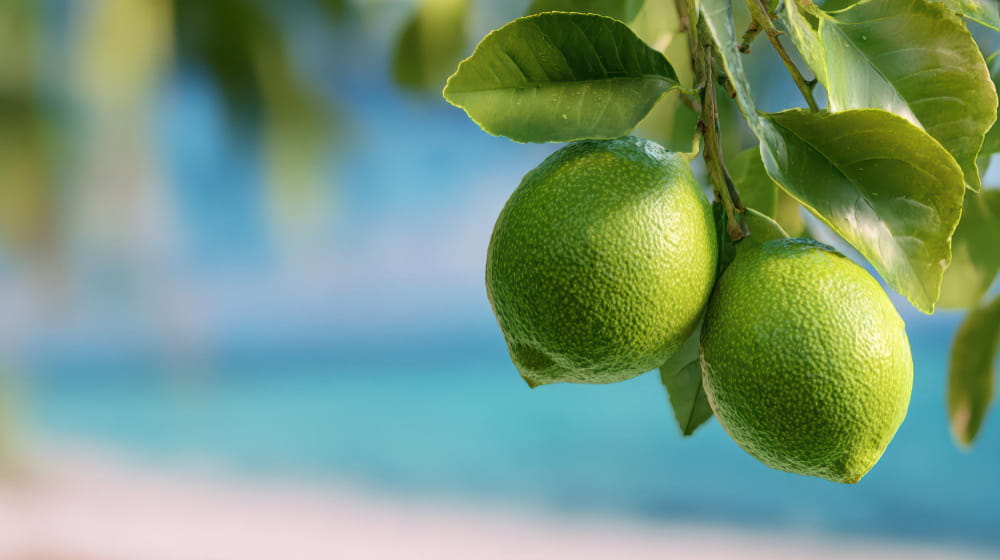
This opens bright and tart — bergamot first, then the green sweetness of petitgrain coming through as the citrus fades. The heart is light and slightly herbal, and the base is soft enough not to weigh the whole thing down.
- Cedarwood Virginia — 8 drops (base)
- Vetiver — 2 drops (base)
- Clary sage — 6 drops (middle)
- Petitgrain — 10 drops (middle)
- Bergamot — 12 drops (top — use bergapten-free if wearing in sunlight)
- Lemon — 6 drops (top)
Fill to 10ml with jojoba. Apply to pulse points. It opens citrus-forward, transitions into something greener and more herbal mid-day, and dries down to a soft, clean wood. The bergapten-free bergamot note is important if you’re wearing this anywhere near sun exposure.
2. Warm Vanilla Rose
Year-round. Evening or date occasion. Feminine without being girlish.
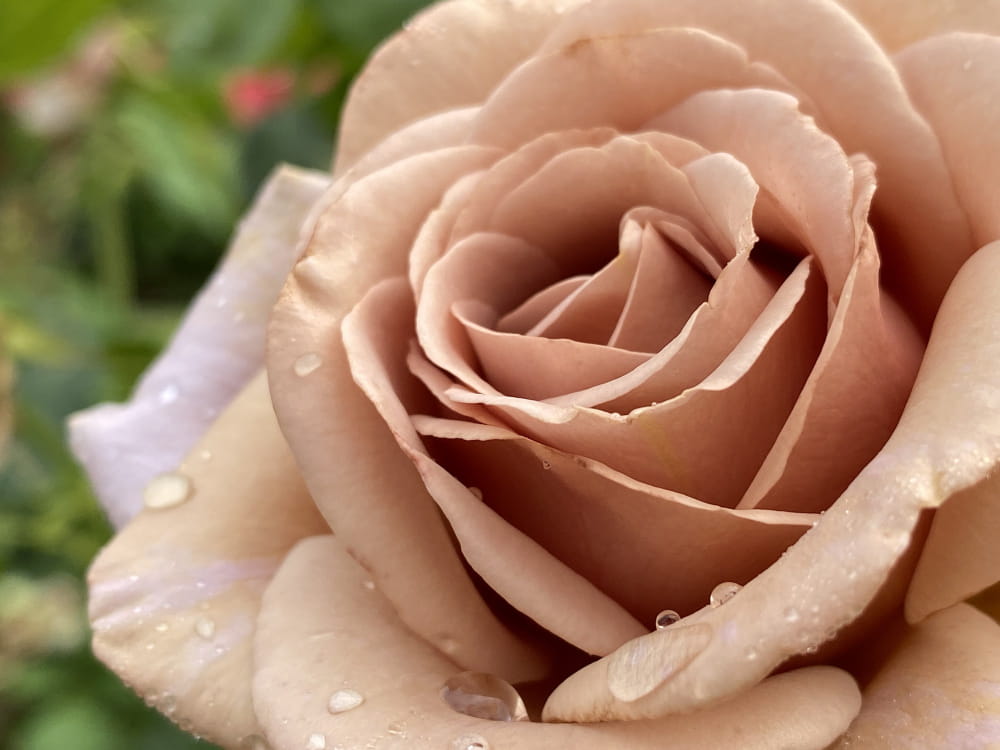
Rose and vanilla is one of those combinations that sounds obvious and is actually surprisingly easy to get wrong. The failure mode is sweetness that tips into synthetic-smelling candy. The fix is knowing what vanilla is actually doing here — it’s not sweetening the rose, it’s grounding it. Benzoin resin (which smells like vanilla with a slightly balsamic depth) creates warmth without sugar, and a touch of black pepper keeps the rose from being saccharine.
- Benzoin resinoid — 10 drops (base)
- Sandalwood — 6 drops (base)
- Rose absolute — 12 drops (middle)
- Geranium — 6 drops (middle)
- Black pepper — 4 drops (top)
- Ylang ylang — 6 drops (middle — use sparingly, it can overpower)
Fill with sweet almond oil. The almond undertone in the carrier genuinely complements this blend. Let it rest for 72 hours if you can — this one in particular improves significantly with time.
3. Woody Cedar Sandalwood
Autumn and winter. Unisex. Works for anyone who wants something quietly confident.
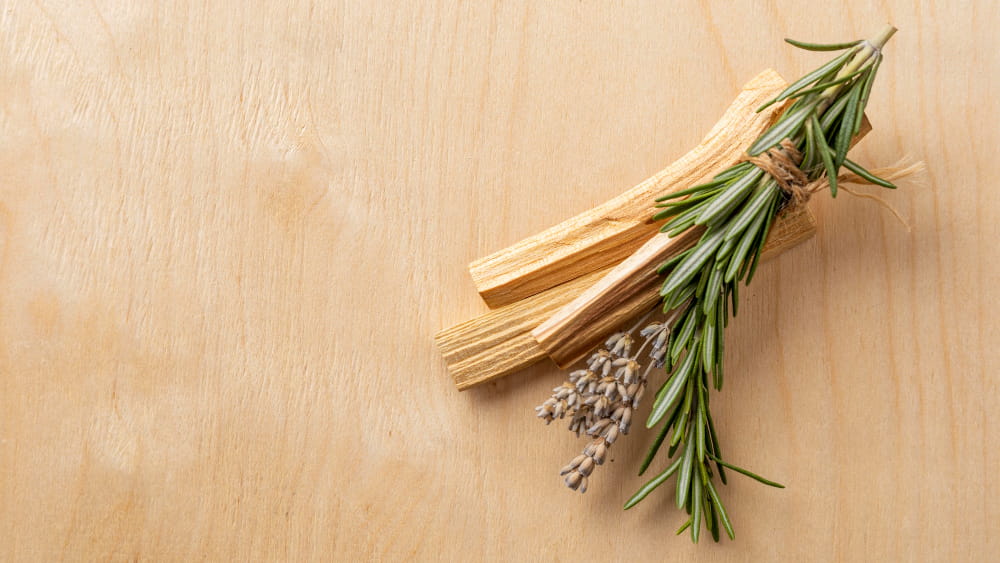
A note on cedarwood: Virginia cedarwood and Atlas cedarwood are different plants with genuinely different characters. Virginia (Juniperus virginiana) is drier, pencil-shavings sharp, and slightly smoky. Atlas (Cedrus atlantica) is warmer, softer, and more resinous — closer to what people imagine when they picture a cedar chest. This recipe uses both. Sandalwood is what makes a woody blend smell expensive rather than woody in the way sawdust is woody. It has a creamy, milky depth that rounds off every edge around it.
- Sandalwood (Australian or Mysore) — 14 drops (base)
- Atlas cedarwood — 8 drops (base)
- Virginia cedarwood — 6 drops (base)
- Frankincense — 8 drops (middle)
- Clary sage — 4 drops (middle)
- Black pepper — 4 drops (top)
Fill with argan oil. This is one of the blends where argan’s warmth genuinely earns its place. It deepens the wood rather than competing with it.
4. Spicy Amber Oriental
Winter evenings. The fragrance family that perfumers call “oriental” is built on resins, warm spices, and depth that unfolds slowly over hours.
Oriental fragrances are polarizing in the best way. They’re not subtle. The characteristic warmth comes from a handful of specific materials: benzoin and labdanum provide the resinous amber backbone; black pepper and cardamom give spice without aggression; vetiver anchors the whole thing in something earthy and slightly smoky.
- Benzoin resinoid — 10 drops (base)
- Vetiver — 6 drops (base)
- Cardamom — 8 drops (middle)
- Clove bud — 4 drops (middle — use carefully, it can dominate)
- Black pepper — 6 drops (top)
- Sweet orange — 10 drops (top)
Fill with argan or jojoba. Apply to the inner wrists and the base of the throat. This one blooms with body heat — it will smell different an hour after application than it did when you first put it on, which is what good oriental perfume does.
5. Fresh Ocean Aquatic
Summer. The fantasy of salt air and sea wind.
Here’s the honest version of this recipe: true aquatic notes — the blue, watery, ozonic quality you find in commercial aquatics like Acqua di Gio — come primarily from a synthetic molecule called calone. It doesn’t exist in nature. You cannot replicate that specific blue-water note with essential oils. Anyone who tells you otherwise is describing something else.
What you can do is construct the feeling of freshness and open air through a different set of materials. Eucalyptus brings a cool, expansive quality. Sea fennel (also called rock samphire) has a genuinely coastal, slightly saline character unlike anything else in natural perfumery. Green notes and light herbs fill out the impression.
- Cedarwood Virginia — 6 drops (base)
- Vetiver — 2 drops (base)
- Sea fennel — 8 drops (middle)
- Clary sage — 6 drops (middle)
- Eucalyptus — 10 drops (top)
- Bergamot — 8 drops (top, bergapten-free)
- Spearmint — 4 drops (top)
Fill with fractionated coconut oil for a lighter, faster-absorbing texture. Apply generously. This isn’t an aquatic in the commercial sense — it’s something more herbal and coastal, and I’d argue more interesting.

6. Earthy Patchouli Vetiver
For people who want a signature scent that doesn’t smell like anything else in anyone’s collection.
Patchouli is genuinely polarizing, and that’s worth saying directly. Some people find fresh patchouli overwhelming and slightly medicinal. This is partly because fresh patchouli oil has a sharp, almost camphor-like quality that softens considerably with age. Aged patchouli is rounder, sweeter, and more complex — worth seeking out if you’re serious about this blend.
The key to making patchouli wearable for people who think they don’t like it is balance. On its own, it can feel relentless. With vetiver grounding it and something lighter in the top (rose geranium adds a green-floral brightness that lifts the whole composition), it becomes something unexpectedly refined.
- Patchouli — 12 drops (base — aged if available)
- Vetiver — 8 drops (base)
- Sandalwood — 6 drops (base)
- Rose geranium — 10 drops (middle)
- Frankincense — 6 drops (middle)
- Black pepper — 2 drops (top)
Fill with jojoba. Rest for at least 72 hours. This blend genuinely changes in the bottle over time — the first week is different from the third.
7. Herbal Lavender Mint
Clean, unisex, genuinely versatile. Works morning to evening.
Lavender: there are two main types you’ll encounter. True lavender (Lavandula angustifolia) has a soft, slightly sweet, herbaceous quality — the classic lavender that reads as calm and clean. Lavandin (Lavandula x intermedia) is a hybrid that’s more camphor-forward and sharper. Both are useful; they’re just different. For this recipe, use true lavender.
Mint is powerful. A little goes a long way, and the instinct to add more when you want a strong mint impression will wreck the balance. The mint here is a supporting note, not a headline. Keep it disciplined.
- Cedarwood Virginia — 8 drops (base)
- Vetiver — 4 drops (base)
- True lavender — 16 drops (middle)
- Clary sage — 6 drops (middle)
- Peppermint — 4 drops (top — stop there)
- Lemon — 6 drops (top)
Fill with jojoba. This one is clean and effortless, which means it’s also the easiest to wear and the easiest to gift to someone without knowing their preferences.
Layering: The Technique That Changes Everything
Layering perfume oils is exactly what it sounds like: applying one scent before another to build a more complex result. The most effective approach is applying a single base note oil directly to skin first, letting it settle for a minute, and then applying your main perfume oil over it.
Some combinations worth trying: a drop of neat sandalwood oil under the Warm Vanilla Rose deepens the base and extends how long the rose lasts. A touch of vetiver under the Woody Cedar Sandalwood gives it more earth and weight. For the Fresh Green Citrus, a light application of jojoba alone first will extend its wear without changing its character — sometimes the simplest version of layering is just giving the fragrance more sebum-like oil to bond to.
Storing and Aging
Dark glass is non-negotiable. Essential oils degrade under UV light, and a perfume oil left in a clear bottle on a sunny bathroom shelf will smell different — and not in a good way — within weeks. Amber or cobalt glass, stored in a cool dark place, keeps your blends stable for 12 to 24 months depending on the carrier oil used. Jojoba, with its near-indefinite shelf life, gives you the most time.
Aging is real and interesting. Freshly blended perfume oils often smell slightly discordant — you can pick out individual elements rather than experiencing them as a unified composition. Over days and weeks, the molecules interact and the edges soften. This is why experienced perfumers evaluate blends after a rest period rather than immediately. A blend that seems too heavy on patchouli on day one might be exactly right on day ten. Give it time before you write it off.
A Final Word
Perfumery is the most personal form of DIY beauty for a simple reason: the outcome is literally calibrated to your chemistry. The same recipe smells different on you than it does on me, and that’s not a flaw, it’s the whole point.
Start with small batches — 5ml rather than 10ml until you know a blend works. Keep notes. Write down every drop count as you build, because the variation between “this is almost right” and “this is exactly right” is often two drops of something, and you’ll want to replicate it. Let things rest before judging them. And be honest about what you actually like to wear rather than what you think you should like — the best signature scent is the one you reach for because you want to, not because it’s technically correct.
The chemistry does the rest.
The information in this post is based on personal research and experience and is intended for educational purposes only. It is not a substitute for professional medical or dermatological advice, diagnosis, or treatment. Always consult a qualified healthcare provider before making changes to your skincare routine or health practices, especially if you have a medical condition or sensitivity.
