
This post contains affiliate links. If you click a link and make a purchase, I may earn a small commission at no extra cost to you. I only recommend products I genuinely believe in. Thank you for supporting Amoria Style!
Every capsule wardrobe guide eventually gives you the same list. White button-down. Dark jeans. Black blazer. Trench coat. Little black dress. Repeat. The list isn’t wrong exactly — those pieces exist on every list for a reason — but the list alone is useless without understanding why those pieces work and what makes them work together. Without that understanding, you buy the ten items, they sit in your wardrobe not quite combining the way the guide implied, and you conclude that capsule wardrobes don’t work for you personally.
They do work. The guides just skip the part that makes them work.
The Actual Logic Behind a Capsule Wardrobe
A capsule wardrobe isn’t about owning fewer clothes. It’s about owning clothes that multiply. Every piece should combine with at least three others to create a distinct outfit. If something only works as one outfit, it’s not a capsule piece — it’s a statement piece, which has its own value but serves a different purpose.
The multiplying happens through two mechanisms: color coherence and occasion range.
Color coherence means your pieces share a palette that allows them to mix. This doesn’t mean everything has to be neutral — it means your colors need to be able to coexist. A wardrobe built around camel, cream, white, and black will always combine. A wardrobe built around camel, cobalt blue, forest green, and burgundy will not, regardless of how good each individual piece is.
Occasion range means each piece can move between at least two contexts — casual and smart casual, or smart casual and formal. A piece that only works in one setting reduces your overall combination count significantly.
With those two principles in mind, here are ten pieces that earn their place — and the specific reasoning behind each one.
1. A Well-Fitted White or Cream T-Shirt
Not a slouchy basic. A t-shirt with considered proportions — the right length relative to high-waisted bottoms, a neckline that works under a blazer, fabric that holds its shape after washing.
The reason this works as a foundation piece is that it recedes. It lets whatever you put with it — a blazer, a statement trouser, a printed skirt — become the focal point. A white t-shirt with wide-leg trousers reads as intentional. The same t-shirt with a midi skirt reads completely differently. It’s doing the same job in both outfits: getting out of the way.
Fabric matters here more than it does for almost any other piece. A good white t-shirt is slightly substantial — not thin enough to be transparent, not so thick it looks like workwear. Modal and pima cotton hold their shape and color through repeated washing in a way that standard jersey doesn’t.

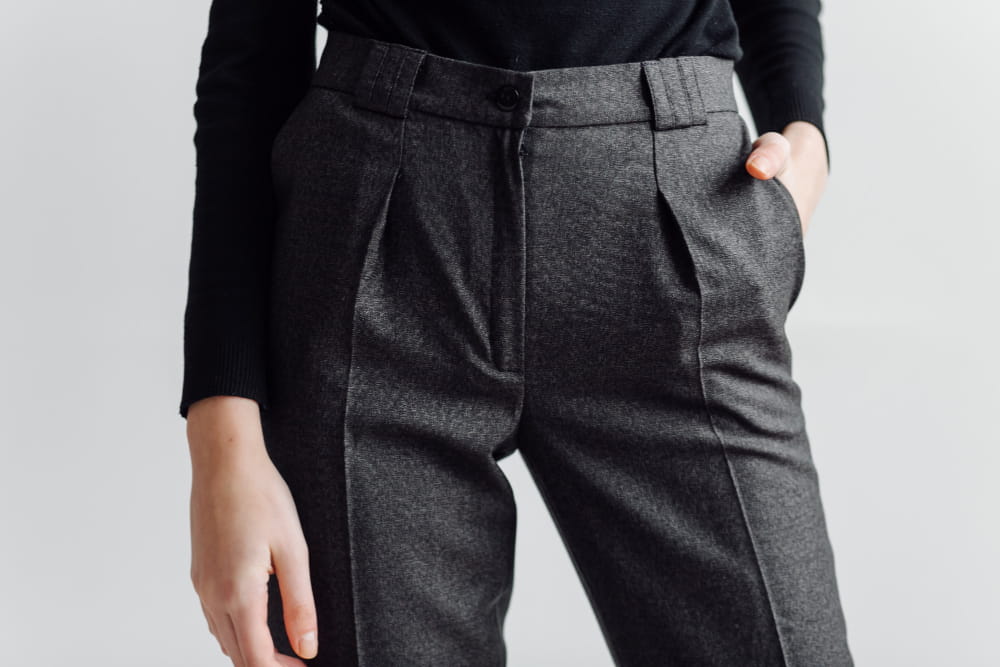
2. Dark Straight-Leg or Wide-Leg Trousers
Not jeans. Tailored trousers in a dark neutral — navy, charcoal, black, dark chocolate — that sit somewhere between casual and formal without fully committing to either.
The reason trousers outperform jeans as a capsule piece is occasion range. Jeans with a blazer reads as smart casual with effort. Tailored trousers with the same blazer reads as polished. Trousers with a white t-shirt reads as effortlessly put-together. Jeans with a white t-shirt reads as casual. The trouser moves through more contexts with less styling work.
Wide-leg specifically earns its place in 2025 and beyond because the silhouette balances naturally with both fitted and oversized tops — it’s not dependent on a specific proportion above the waist to look right, which increases its combination count.
3. A Blazer in a Neutral That Isn't Black
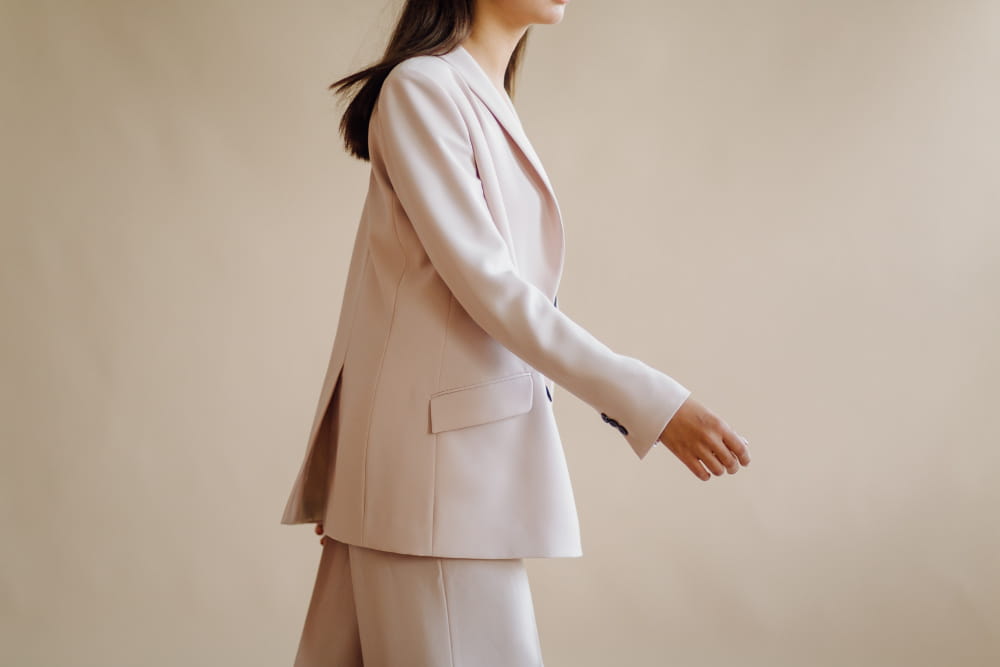
Black blazers are on every list, and black blazers work. But a blazer in camel, oatmeal, grey, or cream does something a black blazer doesn’t: it adds warmth and colour contrast without competing with the rest of the outfit.
A black blazer over a black trouser requires careful execution to avoid reading as a mismatched suit. A camel blazer over black trousers reads as intentionally contrasted. A camel blazer over white trousers reads as tonal and considered. The non-black neutral gives you more combination options across the same number of pieces.
The fit requirement for a blazer is more precise than for almost anything else in this list. A blazer that’s slightly too large reads as borrowed. One that’s slightly too small reads as uncomfortable. The shoulder seam needs to sit at your actual shoulder — everything else can be adjusted, but that seam cannot.
4. A Midi Skirt in a Texture or Print
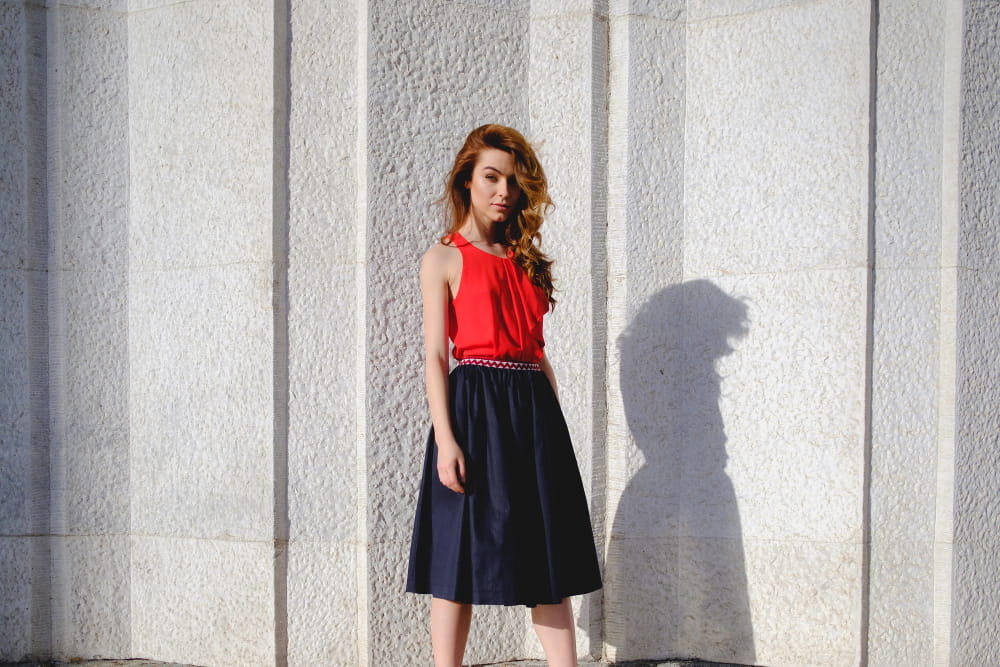
Not a plain midi skirt in a neutral — that’s the safe choice that tends to sit unworn because it doesn’t add anything interesting to an outfit. A midi skirt with some texture or a contained print — subtle pleating, a small floral, a tone-on-tone jacquard, a thin stripe — is the piece that makes an outfit feel finished rather than assembled.
The midi length specifically earns its capsule place because it works across seasons in a way that mini and maxi lengths don’t. With a tucked t-shirt and sandals in summer. With a fitted roll-neck and ankle boots in autumn. With a blazer over the top for occasions that require more formality. The length is inherently versatile in a way the other two aren’t.
The texture or print should stay within your palette. A floral midi in warm terracotta tones combines with everything in a camel/cream/white wardrobe. The same midi in cobalt blue does not.
5. A Fitted Roll-Neck or Crew-Neck Knit
The piece that makes your trousers and skirts look intentional in colder months rather than like you ran out of other options. A well-fitting knit — not oversized, not cropped, but proportioned correctly — is what separates a put-together autumn wardrobe from a functional one.
Fitted matters here because a fitted knit tucks, layers under blazers, and doesn’t add visual weight the way an oversized knit does. Oversized knits are comfortable and have their place, but they reduce your combination count because they overwhelm finer-bottomed pieces like midi skirts and tailored trousers.
Merino wool is worth the investment for this piece specifically. It regulates temperature, doesn’t pill the way acrylic does, and maintains its shape through years of wear in a way that most knitwear doesn’t.

6. A White or Cream Shirt
Not the same as the t-shirt — a proper woven shirt with structure. The piece you wear when a t-shirt is too casual but a blazer is too formal.
A shirt does something neither a t-shirt nor a blazer does independently: it bridges casual and formal in a single garment. Worn open over a t-shirt it’s casual layering. Tucked into tailored trousers with the buttons done, it’s office-appropriate. Half-tucked into a midi skirt with sleeves rolled up, it’s weekend-smart. No other piece covers that range alone.
Oversized fits currently work better than fitted cuts for this piece — they’re easier to style across the contexts above, and they age better as proportions shift over time.

7. Dark Straight-Leg Jeans
Yes, in addition to the trousers. Jeans earn their capsule place because they cover the contexts where trousers are too formal — weekend errands, casual lunches, travel, anything where tailoring would feel like effort. They also provide the visual anchor that trousers sometimes can’t in very casual contexts.
Dark wash specifically, because dark jeans move between casual and smart casual in a way that medium or light wash categorically doesn’t. A dark jean with a blazer reads as smart casual. A light wash jean with the same blazer reads as confused.
Straight leg over skinny for the same reason as wide-leg trousers: the silhouette is balanced rather than dependent on specific proportions above the waist.

8. A Long Coat in a Neutral
The piece that determines how every winter outfit reads from the outside. A good coat elevates anything underneath it — which is the most useful function a single garment can perform.
Long over short, because a long coat works over both midi skirts and trousers where a shorter coat does not. The length creates a vertical line that reads as polished regardless of what’s underneath.
Wool or wool-blend over synthetic, for the same reason as merino knits: it holds its structure through years of wear. A synthetic coat that starts to pill or lose its shape after one season costs more per wear than a wool coat that lasts a decade.
Camel is the most versatile color for this piece specifically — it works over black, navy, grey, white, and cream, which means it genuinely goes with everything in a neutral wardrobe. A black coat is classic but requires more deliberate styling to avoid reading as heavy throughout an outfit.

9. A Simple Ankle Boot
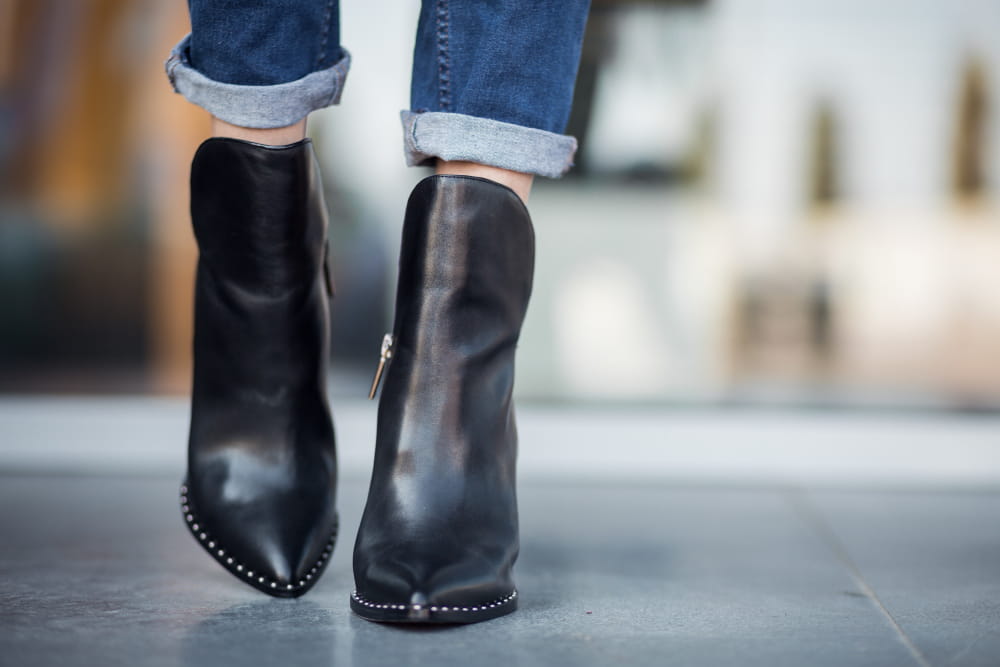
The shoe that gets you through ten months of the year. A block or low heel in black or tan leather that works with jeans, trousers, midi skirts, and dresses without drawing attention to itself.
The ankle boot’s capsule value comes from its neutrality — it finishes an outfit without becoming the outfit. Statement shoes have their place, but a capsule wardrobe needs at least one shoe that disappears into the look rather than dominating it.
Leather or leather-look over synthetic for longevity. A synthetic ankle boot that creases badly after a season is not a capsule investment — it’s fast fashion at a higher price point.
10. One Statement Piece That's Specifically Yours
This is the piece the standard capsule lists leave out, and it’s the piece that makes the difference between a wardrobe that works and a wardrobe that works but feels like it belongs to someone else.
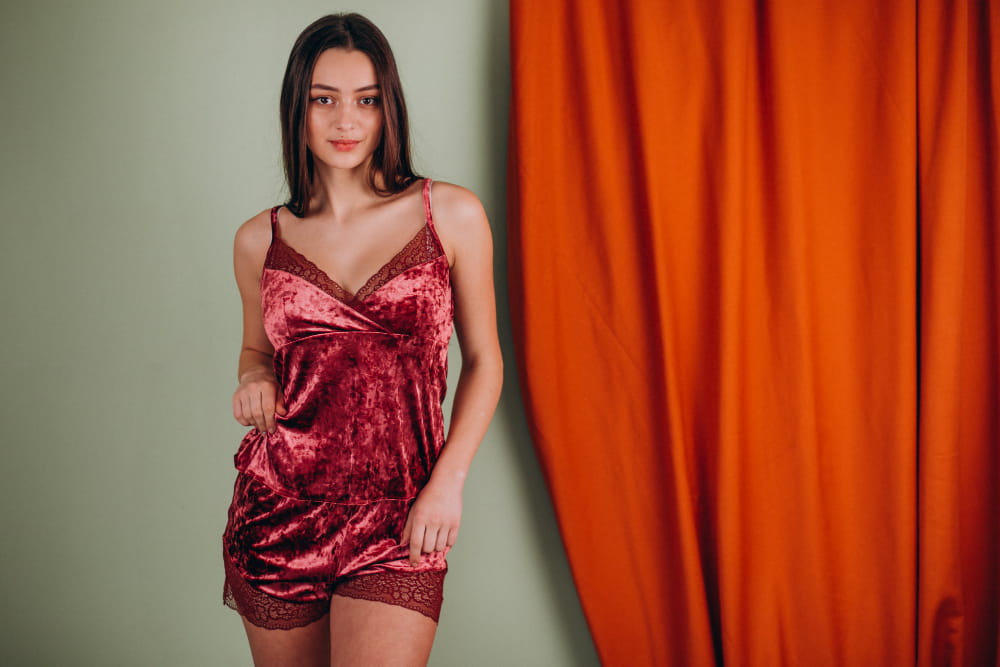
The statement piece doesn’t follow rules. It’s the leopard print coat you wear with everything. The silk slip dress in an unusual color. The wide-leg trouser in a bold print. The piece that makes you feel like yourself rather than like a style guide.
The only requirement is that it shares enough color DNA with your palette to combine with at least two other pieces. Everything else — silhouette, occasion range, practicality — is secondary to the fact that you actually want to wear it.
A wardrobe without a piece like this is functional but not personal. Personal is what makes you reach for it.
How These Ten Actually Combine
To make this concrete: the white t-shirt alone combines with the wide-leg trousers, the midi skirt, the dark jeans, and the statement piece — that’s four outfits from one item. Add the blazer over the t-shirt and trousers, and that’s a fifth. Add the coat over all of the above, and you have a full season’s worth of variation from pieces that fit in a quarter of a wardrobe rail.
That’s the multiplying logic. It doesn’t require buying more — it requires buying pieces that are designed, from the moment you choose them, to work together.
Before you buy anything new, lay out what’s already in your wardrobe and see how many of these ten you’ve already got. You might need less than you think.
