
This post contains affiliate links. If you click a link and make a purchase, I may earn a small commission at no extra cost to you. I only recommend products I genuinely believe in. Thank you for supporting Amoria Style!
The conversation about nail options usually goes one of two ways: either someone tells you gel is the only thing worth doing, or someone tells you gel ruined their nails and you should avoid it entirely. Both positions miss the point. Gel, regular polish, and press-ons are tools — each one suited to a specific set of priorities and a specific lifestyle. Choosing the wrong one for how you actually live is what causes disappointment, not the product itself.
Here’s what each one actually does, what it costs your nails, and how to decide.
What Your Nail Plate Actually Is
Before comparing the three options, it helps to understand what you’re working with. Your nail plate — the hard part you paint — is made of keratin, the same protein as hair. It’s not living tissue at the surface, which is why cutting it doesn’t hurt, but it’s connected to living tissue underneath and at the sides.
The nail plate is semi-permeable — it absorbs and releases moisture, which is why nails feel more flexible after a bath and more brittle in dry conditions. This permeability matters when evaluating nail products, because anything that sits on top of the nail plate for extended periods affects its moisture balance.
Regular Polish — What It Actually Does
Regular nail polish is a suspension of pigment in a solvent that evaporates on contact with air, leaving behind a film of nitrocellulose. It doesn’t bond chemically to the nail plate — it sits on top of it.
This is why regular polish chips relatively quickly (typically three to seven days with normal hand use), and why it removes easily with acetone or non-acetone remover. The lack of chemical bonding that makes it impermanent is also what makes it the gentlest option for the nail plate itself. There’s no curing process, no UV exposure, and removal doesn’t require filing or soaking beyond a few minutes.
What regular polish is good for: people who change their nail color frequently, anyone with naturally strong nails who doesn’t need extended wear, people who prefer to do their own nails at home without equipment, and anyone whose nails are already compromised and need a break from more adhesive products.
What regular polish isn’t good for: anyone who does a lot of manual work, frequent hand-washing, or whose lifestyle creates conditions where chips appear within a day or two. At that point the maintenance burden outweighs the convenience.
The thing most people don’t know: the base coat matters more than the polish itself for longevity. A good adhesive base coat can extend regular polish wear by two to three days. Most people skip it or use an inadequate one and blame the polish.
Gel Polish — What It Actually Does
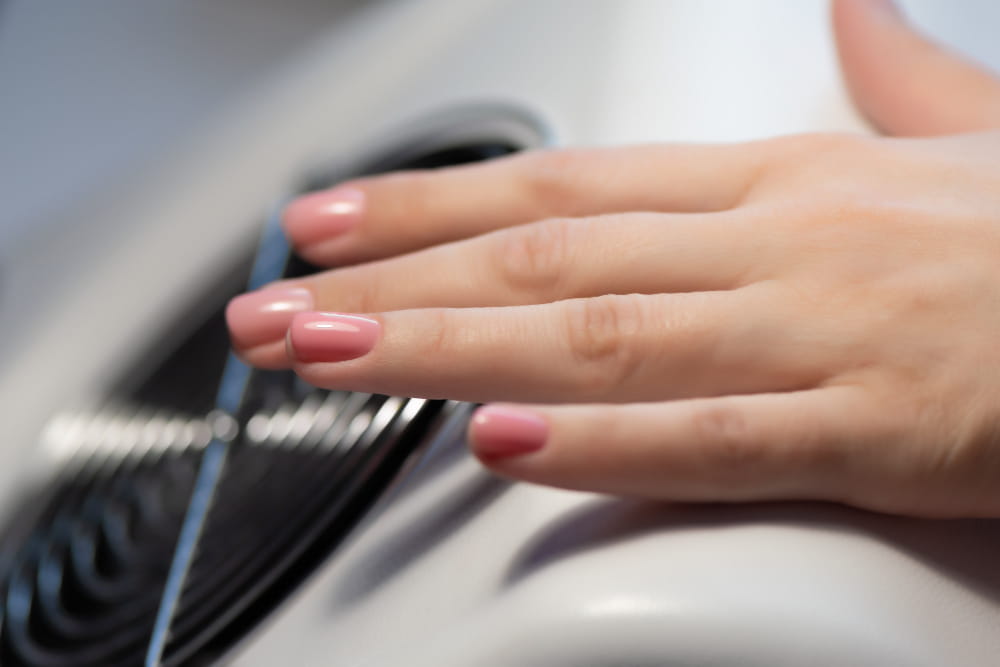
Gel polish is a different chemistry entirely. It contains photoinitiators — compounds that react to UV or LED light — that cause the polish to cure into a hard, cross-linked polymer when exposed to the lamp. This chemical bonding is what makes gel last two to three weeks without chipping under most conditions. (source)
The durability comes at a cost: removal requires either filing off the surface layer and soaking in acetone for ten to fifteen minutes, or using an e-file. Neither process is neutral for the nail plate. Acetone is a strong dehydrating agent — extended soaking draws moisture out of the nail plate and the surrounding skin. Done repeatedly without adequate aftercare, this contributes to brittle, thin nails over time.
The other factor that affects nail health with gel is the removal process itself. Gel that is peeled off rather than properly soaked off takes layers of the nail plate with it — this is the primary cause of the thin, damaged nails that people attribute to gel itself. The gel isn’t the problem; the removal is.
What gel is good for: anyone who wants two to three weeks of chip-free color, people who find regular polish maintenance frustrating, anyone attending events or traveling where touching up nails isn’t practical.
What gel isn’t good for: people who change their nail color weekly, anyone whose nails are already thin or brittle, and anyone not willing to commit to proper removal. If you’re going to peel it off, gel will damage your nails — not because of the formula but because of what comes with it.
The thing most people don’t know: the UV lamp exposure during gel curing is a genuine (if small) UV exposure concern for the skin around the nails. Applying SPF to the backs of your hands before a gel appointment is a simple precaution that most people skip.
Press-On Nails — What They Actually Are Now
Press-ons have a reputation problem that’s approximately ten years out of date. The brittle, obviously fake press-ons of the early 2000s bear almost no resemblance to the current generation of salon-quality, hand-painted, custom-fit press-ons available now.
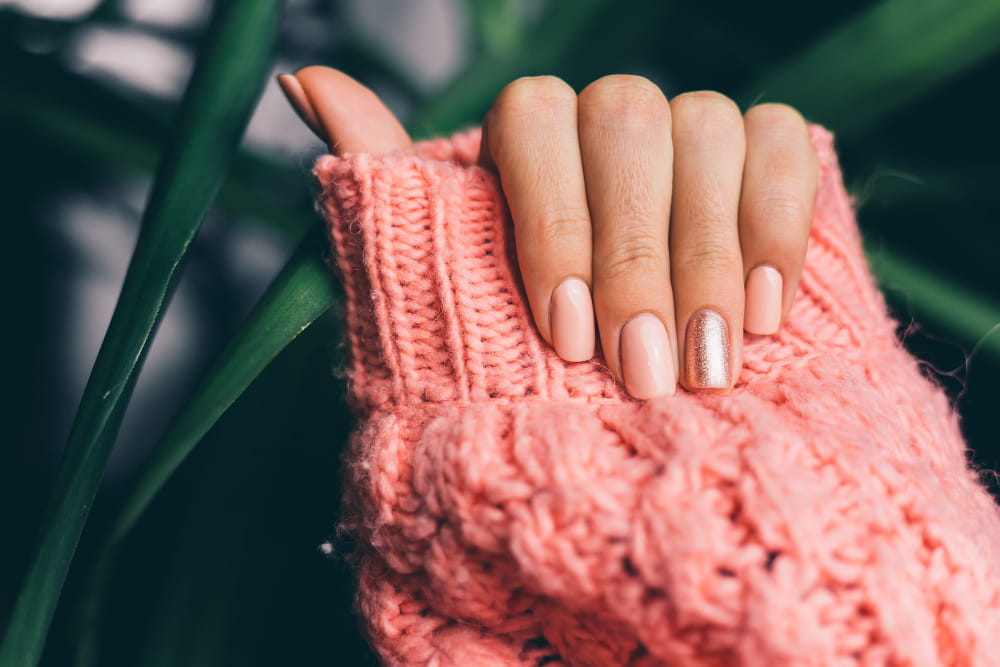
Modern press-ons are typically made from ABS plastic or soft gel, shaped to fit specific nail curvatures, and applied with either nail glue or adhesive tabs. Applied correctly with nail glue, they can last one to two weeks. Applied with adhesive tabs, they last three to seven days but are fully reusable and removable without any acetone.
The nail health implications are lower than gel when adhesive tabs are used — removal is gentle, there’s no soaking, and the nail plate underneath is undisturbed. Nail glue application requires acetone for removal and creates slightly more stress on the nail, but significantly less than gel removal done incorrectly.
What press-ons are good for: events and occasions where you want a specific look without committing to two weeks of gel, anyone who wants nail art without the skill or time investment of doing it themselves, people with compromised nails who still want length or color, and anyone who travels frequently and wants to change their nails mid-trip.
What press-ons aren’t good for: everyday wear in high-contact work environments, anyone who types heavily all day (the pressure on the free edge loosens adhesion), or anyone who expects them to behave identically to gel in terms of durability.
The thing most people don’t know: sizing matters enormously. A press-on that doesn’t fit your nail curvature correctly — too flat for a curved nail, too narrow or wide — will lift at the edges within a day regardless of adhesive quality. Most brands now offer sizing kits. Taking the time to size correctly is the single biggest factor in how long they last.
How to Actually Choose
The right option depends on three questions:
How often do you want to change your color? Weekly or more → regular polish or adhesive-tab press-ons Every two to three weeks → gel For specific occasions → press-ons with glue or tabs
How much manual work do your hands do? High contact work, frequent handwashing, gardening → gel for durability, or accept regular polish chips Office work, moderate activity → any option works Events and low-activity periods → press-ons are completely viable
What’s the current condition of your nails? Strong and healthy → any option Thin, brittle, or recovering → regular polish or adhesive-tab press-ons Actively damaged → a nail treatment period with no color, then regular polish
The Aftercare Nobody Mentions
All three options benefit from the same aftercare practice that most people skip: cuticle oil, applied daily.
Cuticle oil isn’t just for cuticles — it penetrates the nail plate and restores the moisture that polish, gel, and adhesives all disrupt to varying degrees. Regular application keeps the nail plate flexible rather than brittle, which directly affects how long any nail product lasts and how healthy nails look when you remove it.
Jojoba oil is the most commonly recommended option because its molecular structure is similar to the natural oils in skin and nails — it absorbs well rather than sitting on the surface. Apply it to the cuticle and the surrounding skin once a day, every day, regardless of which nail option you’re using.
That single habit does more for long-term nail health than switching between products.
