

This post contains affiliate links. If you click a link and make a purchase, I may earn a small commission at no extra cost to you. I only recommend products I genuinely believe in. Thank you for supporting Amoria Style!
Two skincare concepts have dominated trending content over the past few years, and they’re frequently mentioned in the same breath as if they’re interchangeable or naturally compatible. They’re not the same thing, they solve different problems, and combining them without understanding the difference is how people end up with routines that fight against themselves. Done correctly, together, they’re genuinely complementary. Done carelessly, they cancel each other out.
Here’s the distinction nobody explains clearly, and the actual method for using both.
What Skin Cycling Actually Is
Skin cycling is a structured rotation of active ingredients across a multi-day cycle, designed to give skin recovery time between exposure to potent actives. The most common version is a four-night cycle: night one, exfoliation (a chemical exfoliant like an AHA or BHA); night two, retinoid; nights three and four, recovery with no actives — just moisturizing and barrier support. The cycle then repeats.
The logic behind it is straightforward: actives like retinoids and exfoliants work by causing controlled, beneficial disruption to the skin — increased cell turnover, removal of dead skin cells, stimulation of collagen production. But that disruption needs recovery time to translate into benefit rather than irritation. Using actives every single night without recovery nights is one of the most common causes of compromised skin barriers, and skin cycling exists specifically to prevent that.
The structure matters more than the specific products. Some version of “active night, active night, recovery, recovery” works for most people who are using exfoliants and retinoids together, regardless of which specific brands or formulations they choose.
What Skin Flooding Actually Is
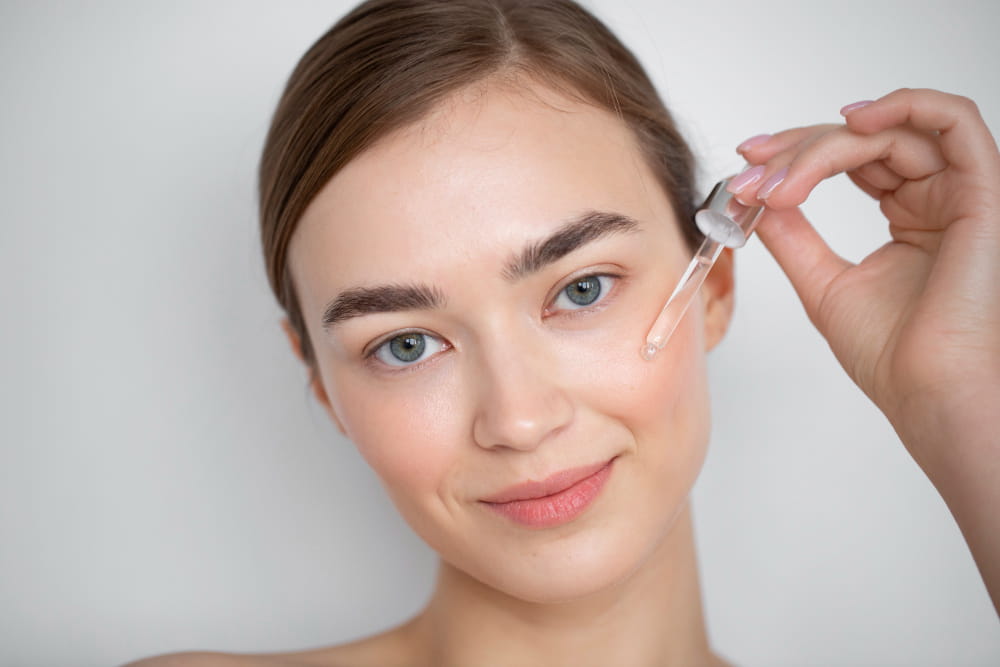
Skin flooding is a layering technique focused entirely on hydration, applied to damp skin in a specific sequence: a hydrating toner or essence, then a humectant-rich serum (typically hyaluronic acid), then a moisturizer, then an occlusive to seal everything in. The goal is maximum water content delivered to skin in a single session, with each layer building on the moisture delivered by the one before it.
The mechanism is about timing and substrate, not about any single magic ingredient. Humectants work better on already-damp skin because they have water to draw from and bind to — applying a hyaluronic acid serum to bone-dry skin is significantly less effective than applying it to skin that’s still damp from a toner or from washing. Each subsequent layer in skin flooding is designed to lock in the water delivered by the previous layer, creating a cumulative hydration effect rather than relying on a single product to do all the work.

Why People Get the Combination Wrong
The mistake happens in one of two directions.
Direction one: flooding on active nights. Some people try to skin flood every single night, including nights when they’re also using a retinoid or exfoliant. This is a problem because skin flooding, by its hydrating and occlusive nature, can increase the penetration and intensity of actives applied underneath or alongside it. A retinoid applied to heavily hydrated, flooded skin penetrates more aggressively than the same retinoid applied to normally hydrated skin — which means a routine that combines flooding with retinoid use every night is functionally increasing retinoid potency without intending to, often leading to irritation that gets blamed on the retinoid rather than the combination.
Direction two: skipping flooding entirely on recovery nights. This is the more common mistake and the bigger missed opportunity. Skin cycling’s recovery nights are explicitly meant for barrier support and calm, simple hydration — which is exactly what skin flooding is designed to deliver. People who skin cycle but don’t skin flood on their recovery nights are using a less effective hydration approach than they could be, on exactly the nights when their skin most needs robust hydration to recover from the previous nights’ actives.

The Correct Combined Method
The two techniques map onto each other naturally once you assign skin flooding specifically to the recovery nights of a skin cycle, rather than trying to do both simultaneously every night.
Night 1 — Exfoliation night. Cleanse, apply your chemical exfoliant (AHA or BHA depending on your skin’s needs), wait for it to fully absorb, then a simple, non-flooding moisturizer. Keep this night focused and uncomplicated — the exfoliant is doing the active work, and a heavily layered flooding routine on top of it can increase irritation risk.
Night 2 — Retinoid night. Cleanse, wait until skin is fully dry (retinoids should not go on damp skin — this increases irritation rather than improving absorption, unlike water-based humectants), apply retinoid, wait, then a simple moisturizer. Same principle as night one: keep it focused.
Night 3 — Recovery night, full skin flooding. This is where the combination earns its place. Cleanse gently, apply a hydrating toner or essence to damp skin, layer a hyaluronic acid serum while still damp, follow with a richer moisturizer, and finish with an occlusive layer if your skin tolerates it well (a facial oil or a thicker cream with ceramides). This is the night your skin gets the most robust hydration support, precisely when it’s recovering from two consecutive nights of active ingredients.
Night 4 — Recovery night, simplified skin flooding or standard moisture. Depending on how your skin is responding, either repeat the full flooding routine from night three, or scale back to a simpler hydrating routine if your skin feels like it needs less rather than more. This flexibility is intentional — recovery nights should respond to what your skin is actually showing you, not follow a rigid script regardless of how skin looks and feels.
Then the cycle repeats from night one.
Why This Sequencing Makes Sense Physiologically
Retinoids and exfoliants both work partly by temporarily increasing the skin’s permeability — exfoliants remove dead cells that would otherwise act as a partial barrier, and retinoids increase cell turnover in a way that can transiently affect barrier function during the adjustment period. This means skin is somewhat more vulnerable on active nights, which is exactly why a simpler, lower-risk hydration approach is appropriate on those nights, reserving the more intensive flooding technique for the nights when skin has more capacity to make full use of deep hydration without added complexity from active ingredients competing for absorption and penetration.
The recovery nights, without actives, are when skin’s barrier function is closest to baseline — which is precisely when heavier, more complex hydration layering delivers its benefit without the added variable of active ingredient interaction.
Who This Combination Suits
This combined approach is most useful for people who already tolerate retinoids and exfoliants reasonably well but want to optimize the recovery phase of their routine, rather than people who are new to actives and still establishing basic tolerance.
If you’re new to retinoids or exfoliants, the priority is establishing tolerance to the actives themselves first — start with skin cycling alone, using simple, gentle hydration on recovery nights, and introduce the more involved skin flooding technique once your skin has demonstrated it tolerates the active nights well. Adding complexity in both directions simultaneously — new actives and an elaborate hydration technique — makes it significantly harder to identify what’s actually causing any irritation if it occurs.

What to Avoid
Flooding directly over retinoid or exfoliant application on the same night, for the reasons already covered — the increased penetration risk is real and is the most common way this combination goes wrong.
Using occlusive-heavy flooding routines in humid summer conditions if you’re prone to congestion — the full flooding sequence, particularly the occlusive final layer, is more suited to drier conditions or skin that needs the extra barrier support. In humid climates or oily-leaning skin types, a lighter version (hydrating toner plus hyaluronic acid serum plus a lighter moisturizer, skipping the heaviest occlusive step) achieves similar benefit with less congestion risk.
Treating either technique as a fixed, identical routine that never changes. Both skin cycling and skin flooding are frameworks, not rigid prescriptions. The specific products, the exact ratio of active to recovery nights, and how intensively you flood on recovery nights should all adjust based on how your individual skin responds over time.
The information in this post is based on personal research and experience and is intended for educational purposes only. It is not a substitute for professional medical or dermatological advice, diagnosis, or treatment. Always consult a qualified healthcare provider before making changes to your skincare routine or health practices, especially if you have a medical condition or sensitivity.
