
This post contains affiliate links. If you click a link and make a purchase, I may earn a small commission at no extra cost to you. I only recommend products I genuinely believe in. Thank you for supporting Amoria Style!
There’s a version of slugging that makes dermatologists nervous and a version that makes them shrug and say “sure, go ahead.” Most of the people who tried it and hated it were doing the first version. Most of the people who swear by it are doing the second. The difference is small but it matters, and nobody seems to explain it clearly.
Let’s fix that.
What Slugging Actually Is
Slugging is the practice of applying a thin layer of an occlusive product — most commonly petroleum jelly — as the last step of your nighttime skincare routine. The name comes from the slightly unpleasant visual of waking up with your face looking like a slug trail. Which, fair enough.
The logic is straightforward: occlusives don’t add moisture to your skin. They seal in whatever moisture is already there. Applied over a completed routine, petroleum jelly creates a physical barrier that dramatically slows transepidermal water loss — the process by which moisture evaporates from your skin overnight while you sleep.
That’s it. That’s the whole mechanism. It’s not magic. It’s a seal.
Why the Results Feel So Dramatic
If slugging is just a seal, why do people describe waking up looking like they’ve had a facial?
Two reasons.
First, transepidermal water loss is genuinely significant during sleep. Your skin loses a measurable amount of moisture over eight hours of lying in a heated or air-conditioned room, often with your face pressed against a pillowcase that’s absorbing whatever your moisturizer didn’t. Slugging interrupts that process almost completely. The difference between your skin’s hydration level at midnight and at 7am is substantially smaller when you’ve slugged. That’s real, and it shows.
Second, the occlusive layer keeps everything underneath it — your serums, your moisturizer, your actives — in closer contact with your skin for longer. Under normal conditions, products continue evaporating overnight. Under an occlusive seal, they stay put. This doesn’t make actives more potent, but it does extend the window of contact, which has a noticeable effect on how your skin feels in the morning.
The Version That Causes Problems
Here’s where most slugging guides go wrong: they recommend applying petroleum jelly directly onto unwashed skin, or onto skin that still has makeup residue, or as a replacement for moisturizer rather than a complement to it.
All three of these approaches cause problems.
On unwashed skin: Petroleum jelly is an occlusive, not a cleanser. It will seal in whatever is on your skin when you apply it — dead skin cells, pollutants, residual SPF, makeup traces. Sealing those things against your skin overnight is a reliable way to clog pores, particularly if you’re acne-prone. The people who try slugging and immediately break out are almost always doing it on insufficiently clean skin.
As a moisturizer replacement: Petroleum jelly contains no humectants, no emollients in the traditional sense, no active ingredients. It does one thing: block evaporation. If you apply it to dry skin with nothing underneath, you’re sealing in dryness. The correct sequence is hydrate first, seal second. If you’re not sure which moisturizer to use underneath, the gua sha and skin barrier post covers how to read your skin’s hydration signals.
On active-heavy skin: If you’re using retinol, strong acids, or prescription tretinoin, slugging over those actives can intensify their effects significantly — sometimes past the point of comfort. This isn’t universally bad, but it’s worth knowing. Some people use this intentionally; others find it causes irritation they weren’t expecting. Start with actives on nights you don’t slug, and introduce them together slowly.
Who It Actually Works For
Slugging is not universally beneficial. Here’s an honest breakdown:
It works best for: dry skin, dehydrated skin, compromised skin barrier, people in cold or low-humidity climates, anyone who wakes up with tight or flaky skin regardless of what moisturizer they use.
It works reasonably well for: normal skin, combination skin on dry days, skin that’s temporarily compromised from over-exfoliation or a reaction.
It’s genuinely not recommended for: acne-prone skin (particularly if you’re prone to comedonal acne — the small closed bumps rather than inflamed pimples), oily skin that doesn’t need additional occlusion, anyone currently using heavy prescription actives without dermatologist guidance on layering.
The mistake is treating slugging as a universal skin hack rather than a tool that solves a specific problem. If your skin barrier is intact, you sleep in a humidified room, and you wake up with comfortable skin, slugging is probably not going to change your life. If you wake up tight, flaky, or dull regardless of what you put on the night before, it very well might.
What to Actually Use
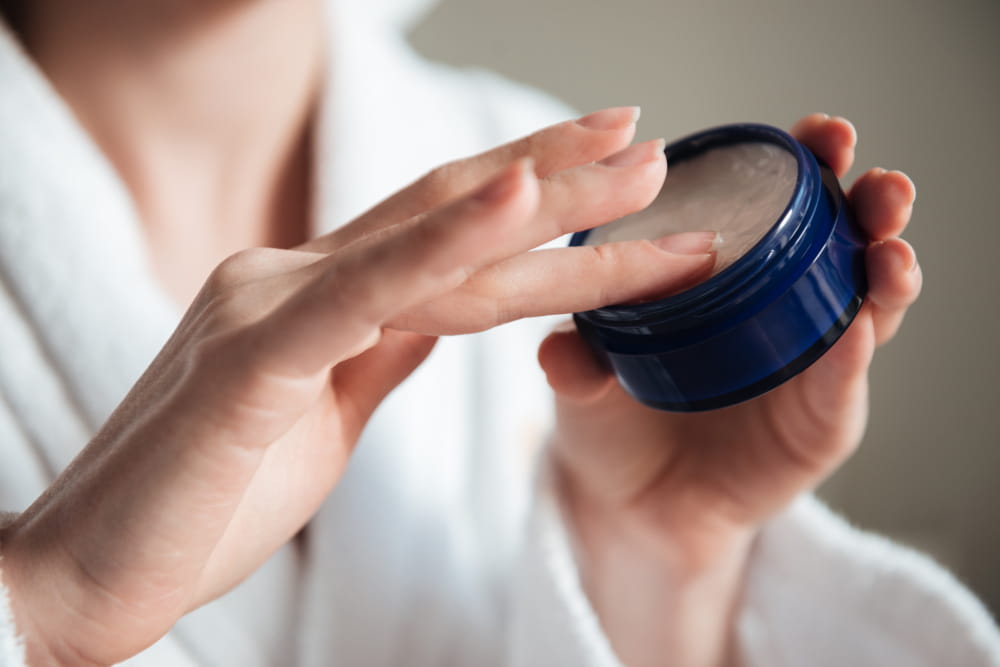
Petroleum jelly (Vaseline) is the most researched and most commonly recommended option, and there’s no good reason to avoid it despite its unglamorous reputation. It’s non-comedogenic when used correctly, fragrance-free, inexpensive, and has decades of safety data behind it.
Alternatives worth knowing about:
Aquaphor — a mix of petroleum jelly, mineral oil, and lanolin. Slightly less occlusive than straight petroleum jelly, slightly more emollient. A good middle ground if pure petroleum jelly feels too heavy.
CeraVe Healing Ointment — contains ceramides in addition to petroleum jelly, which theoretically supports barrier repair rather than just sealing. Sensible choice if your barrier is genuinely compromised.
Squalane — significantly lighter, absorbs rather than sitting on top. Not as occlusive as petroleum jelly, but a reasonable option for people who find the texture of petroleum jelly intolerable. Works better in humid climates.
Lanolin — more occlusive than squalane, less than petroleum jelly, with some emollient properties. Worth considering if you want something that feels more like a balm than a grease.
What you don’t need: anything marketed specifically as a “slugging product.” The category exists because brands noticed the trend and created products to sell into it. Most of them are petroleum jelly with a markup and a better-looking jar.
The Correct Sequence
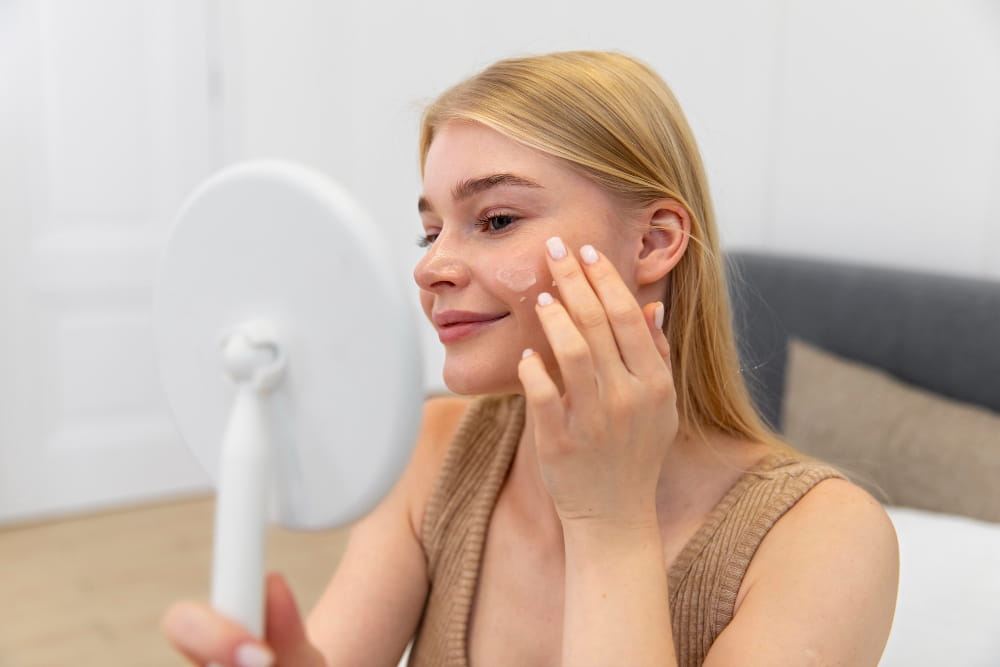
If you’re going to try this, the sequence matters more than the product.
- Double cleanse properly — oil cleanser first, then a gentle foaming or gel cleanser. Your skin needs to be genuinely clean before you seal anything in.
- Apply any water-based serums — hyaluronic acid, niacinamide, peptides. These go on damp skin.
- Apply your moisturizer as normal.
- Wait five to ten minutes. Don’t rush this step. You want your moisturizer to absorb before you apply the occlusive layer.
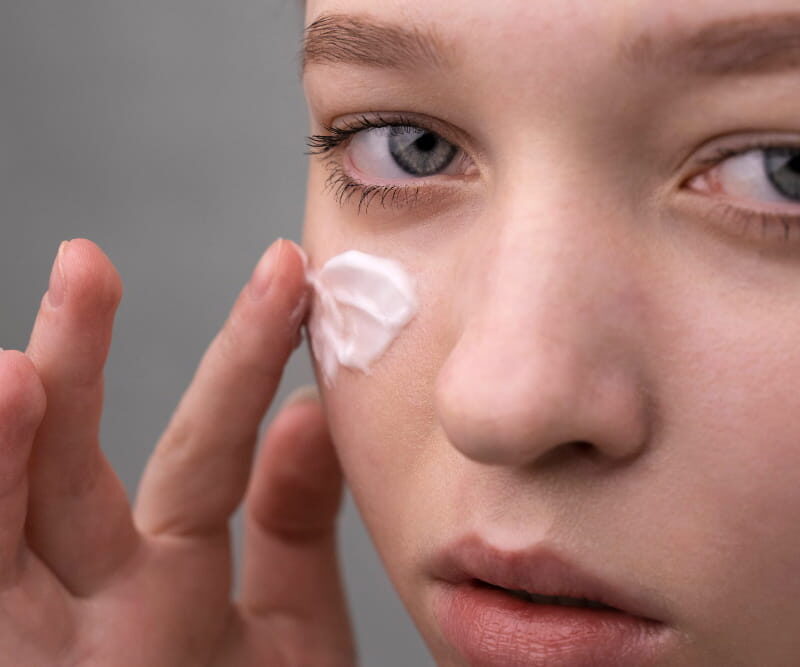
- Apply a thin layer of petroleum jelly — thinner than you think. You’re not applying a face mask. A small amount warmed between your fingertips, pressed gently onto skin, is enough. You should not look visibly coated.
- Sleep on a clean pillowcase. Silk or satin is worth considering if you slug regularly — it absorbs less product and creates less friction than cotton.
How Often
Not every night, unless your skin is severely compromised. Two to three times per week is a reasonable starting point for most people. Pay attention to how your skin responds — if you notice congestion or small bumps appearing, reduce frequency or stop entirely and reassess your cleansing routine first.
In winter, or during periods when your skin feels particularly reactive or stripped, daily slugging for a week or two is a reasonable short-term intervention. Think of it less as a routine and more as a tool you reach for when your skin needs it.
One Thing Worth Saying Clearly
Slugging will not fix your skin barrier on its own. It will not replace actives, it will not treat acne, it will not reverse sun damage, it will not do anything that your other products do. What it does is preserve the work everything else is doing — it stops your nighttime routine from evaporating before it has a chance to work properly.
That’s a genuinely useful thing. It’s just a smaller, more specific thing than most of the content about it suggests. Use it for what it is, not for what the trend made it sound like, and it will probably earn a regular place in your routine — two or three nights a week, on clean skin, with a thin layer. Nothing more dramatic than that, and nothing less useful either.
If you have a skin condition or persistent concerns, check with a dermatologist before adding it in.
The information in this post is based on personal research and experience and is intended for educational purposes only. It is not a substitute for professional medical or dermatological advice, diagnosis, or treatment. Always consult a qualified healthcare provider before making changes to your skincare routine or health practices, especially if you have a medical condition or sensitivity.
