
This post contains affiliate links. If you click a link and make a purchase, I may earn a small commission at no extra cost to you. I only recommend products I genuinely believe in. Thank you for supporting Amoria Style!
Dry brushing has accumulated an impressive list of claimed benefits over the years: lymphatic drainage, cellulite reduction, detoxification, improved circulation, smoother skin. Some of these claims have evidence behind them. Others are marketing language that sounds plausible but doesn’t hold up to scrutiny. Knowing which is which matters practically — it tells you whether dry brushing is worth adding to your routine, what realistic results look like, and how to do it in a way that actually helps rather than irritates.
Here’s the honest breakdown.
What Dry Brushing Actually Is
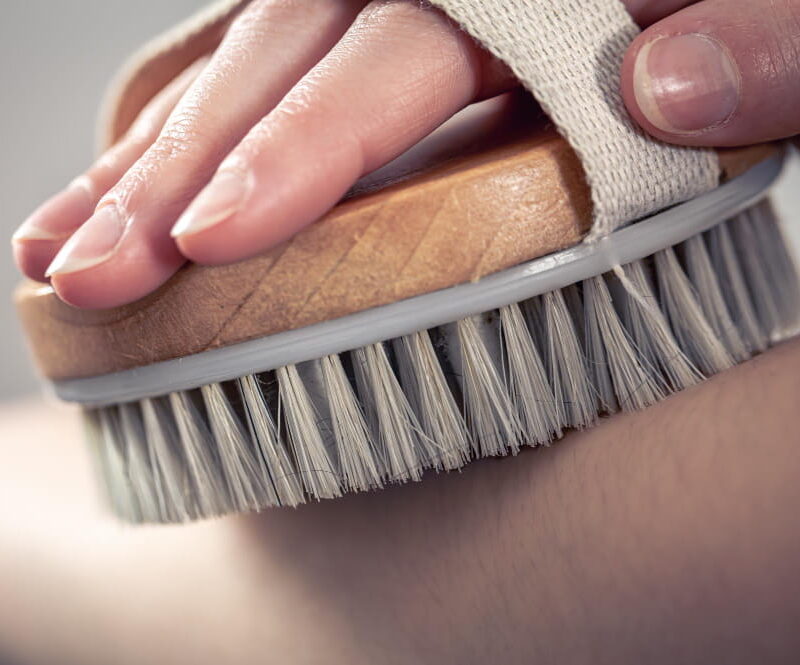
Dry brushing is the practice of using a firm natural-bristle brush on dry skin — before showering — in upward strokes toward the heart. The brush creates friction on the skin surface, which is what produces its effects. It’s been practiced in various forms across multiple cultures for centuries, predating the wellness industry’s discovery of it by a significant margin.
The “dry” part is important. Wet skin is more vulnerable to mechanical stress — the friction that exfoliates effectively on dry skin can create micro-tears on wet skin. The technique only works as intended on completely dry skin, before any water or product contact.
What It Actually Does — With Evidence
Mechanical exfoliation. This is the most well-supported effect and the most immediately noticeable one. The bristles physically remove dead skin cells from the surface of the skin, revealing the newer skin cells beneath. The result is smoother texture and a temporary improvement in the skin’s ability to absorb products applied afterward — moisturizer applied to exfoliated skin penetrates more effectively than moisturizer applied over a layer of dead skin cells.
Temporary increase in circulation. The friction and pressure of brushing increases blood flow to the skin surface locally. This produces the characteristic pinkness after brushing and contributes to the immediate “glowing” appearance many people notice. The effect is temporary — circulation returns to baseline relatively quickly — but the visual result in the short term is real.
Sensory stimulation with relaxation potential. The physical sensation of dry brushing activates nerve endings in the skin and has a documented stimulating effect on the nervous system that some people find energising in the morning and others find grounding as part of an evening routine. The rhythmic, repetitive motion also has a mild meditative quality that contributes to stress reduction for some people — which has indirect skin benefits through cortisol reduction.

What It Doesn't Do — Despite the Claims
Lymphatic drainage in any significant clinical sense. The lymphatic system has its own pressure-driven pumping mechanism. Manual pressure on the skin surface — from dry brushing, massage, or gua sha — can stimulate superficial lymphatic vessels and may assist minor fluid movement in the very outermost layers. But the claim that dry brushing “drains your lymphatic system” significantly overstates what’s mechanically possible through skin surface friction. Clinical lymphatic drainage requires specific technique applied by trained practitioners to have meaningful effect on the lymphatic system itself.
Cellulite reduction. Cellulite is a structural feature of subcutaneous fat — the way fat cells are arranged beneath the skin in a fibrous connective tissue matrix. No amount of surface friction changes the structure of subcutaneous tissue. Dry brushing may temporarily reduce the appearance of cellulite by improving skin texture and increasing circulation to the surface — which makes skin look slightly more even — but it doesn’t affect cellulite itself. Any “reduction” seen immediately after brushing is a surface effect that fades within hours.
Detoxification. The skin’s primary detoxification role is as a barrier — keeping things out rather than releasing toxins through its surface. The liver and kidneys handle the actual removal of metabolic waste from the body. The idea that brushing skin releases toxins has no physiological basis. This claim exists because “detox” is effective marketing language, not because there’s a mechanism by which it could work.
The Technique Most People Get Wrong
Even among people who dry brush regularly, technique errors are common enough to be worth addressing specifically.
Pressure too high. This is the most common mistake. Dry brushing should use light to medium pressure — enough to feel the bristles on the skin, not enough to cause redness that persists after brushing or any sensation of scratching. Aggressive pressure doesn’t increase the benefits; it creates micro-irritation and can compromise the skin barrier, particularly on thinner skin. If your skin is red and irritated for more than a few minutes after brushing, you’re pressing too hard.
Wrong direction. The consistent recommendation is to brush toward the heart — upward strokes on the legs, toward the chest on the arms, upward on the abdomen. This follows the direction of superficial lymphatic flow and venous return. Brushing in random directions doesn’t cause harm, but brushing consistently toward the heart is the technique with the physiological rationale behind it.
Brushing the face. Body dry brushes are too coarse for facial skin, which is significantly thinner and more sensitive than body skin. Facial skin has its own gentler exfoliation methods — chemical exfoliants, soft facial brushes, konjac sponges. Using a body brush on the face is likely to cause irritation and potential barrier damage.
Too frequently on sensitive or dry skin. Exfoliation of any kind — mechanical or chemical — needs recovery time. For most people, two to three times per week is sufficient. Daily dry brushing on dry or sensitive skin removes more than just dead cells — it can strip the skin barrier, leading to increased sensitivity and dryness rather than improvement. Start with once or twice per week and assess how your skin responds.
Not moisturising immediately after. Exfoliated skin absorbs moisture more effectively than non-exfoliated skin — which is the practical advantage of dry brushing before showering. The sequence should be: dry brush, shower (to remove the loosened dead skin cells), apply moisturiser to still-damp skin within three minutes. Skipping the immediate post-shower moisturiser wastes the best window for absorption that the brushing created.

Choosing a Brush
Natural bristles — typically sisal, boar bristle, or cactus fibre — are recommended over synthetic bristles because they’re firmer and create more effective friction without being as abrasive as some synthetics. The firmness should feel substantial but not scratchy on the back of your hand when tested at light pressure.
A long handle is useful for the back and upper legs but not essential. Some people prefer a hand-held brush without a handle for better pressure control on the front of the body.
Bristle firmness varies significantly between products. If you’re new to dry brushing or have sensitive skin, start with a softer bristle brush and work up if needed — it’s easier to add pressure or move to a firmer brush than to repair barrier damage from starting too aggressively.
Clean your brush weekly with mild soap and water and allow it to dry completely before use. A damp brush used on skin creates different friction to a dry one and is more likely to harbour bacteria.
Who Should Avoid It
Anyone with active skin conditions — eczema, psoriasis, rosacea, or any inflammatory skin condition — should avoid dry brushing on affected areas. Mechanical exfoliation on compromised or inflamed skin can significantly worsen these conditions by further disrupting the skin barrier.
Anyone with sunburned skin. Sunburned skin is already damaged and inflamed — brushing over it adds mechanical stress to tissue that’s trying to repair itself.
Anyone with varicose veins. Brushing directly over varicose veins or broken capillaries can cause irritation and is generally not recommended.
Anyone with very dry or sensitive skin as a baseline. Dry brushing can be done carefully with light pressure and reduced frequency, but people with chronically dry or reactive skin should start cautiously and watch for signs of increased sensitivity rather than improvement.
The Honest Summary
Dry brushing is a genuinely useful body care practice for what it actually does — mechanical exfoliation, temporary circulation boost, smoother skin texture, and a sensory experience that many people find grounding or energising. These are real benefits worth having.
It’s not a lymphatic treatment, not a cellulite solution, and not a detox method. Approaching it with accurate expectations means you get the real benefits without the disappointment of waiting for effects that aren’t coming.
Used two to three times per week with appropriate pressure, followed by a shower and immediate moisturisation, it earns its place in a body care routine as one of the simpler practices with a consistent, noticeable payoff. Just don’t expect it to do anything it was never built to do.
The information in this post is based on personal research and experience and is intended for educational purposes only. It is not a substitute for professional medical or dermatological advice, diagnosis, or treatment. Always consult a qualified healthcare provider before making changes to your skincare routine or health practices, especially if you have a medical condition or sensitivity.
